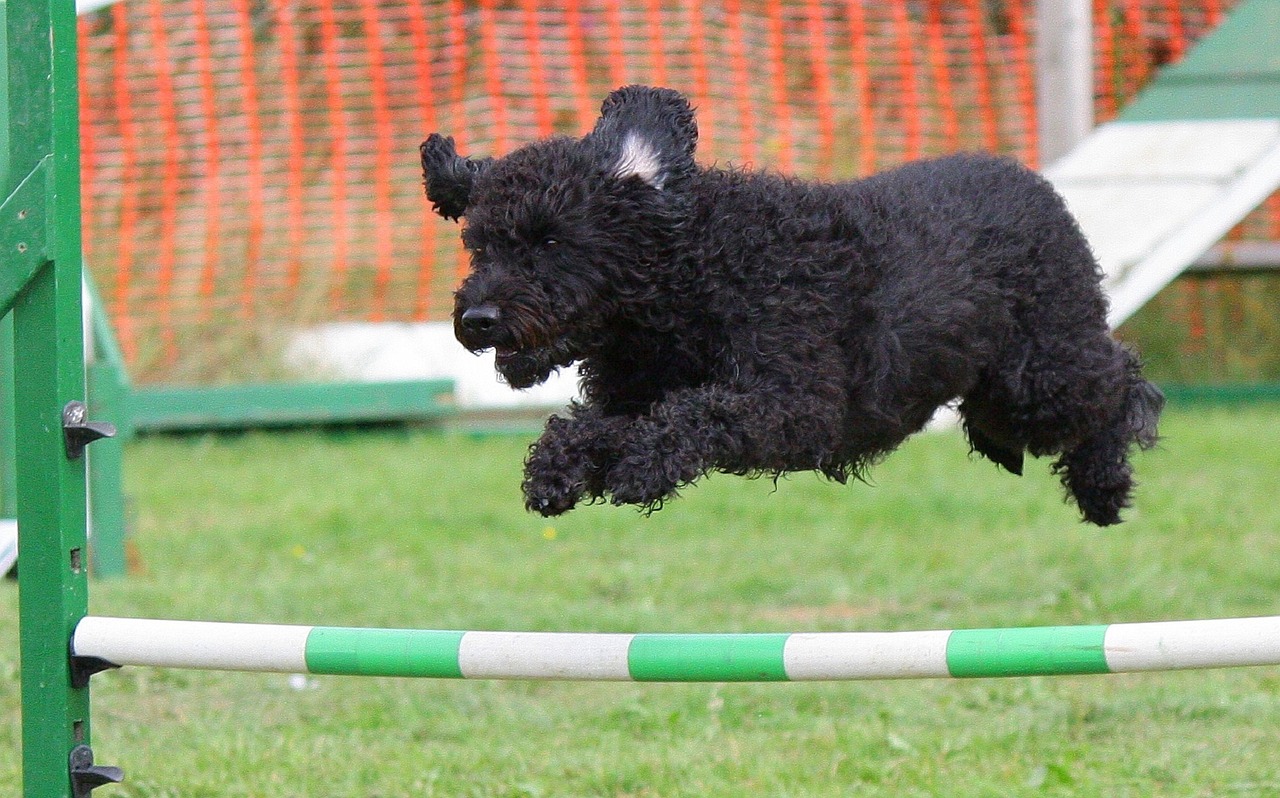

Understanding Canine Agility Training
Canine agility training is a popular and exciting sport where dogs navigate through an obstacle course under the guidance of their handlers. This fast-paced activity promotes communication, trust, and teamwork, enhancing the bond between the dog and its owner. Participants must master a variety of obstacles, such as jumps, tunnels, weave poles, and seesaws. During training, it is essential to focus on proper techniques and gradually build the dog’s confidence. Owners should select a comfortable leash and harness suitable for agility training. Establishing a positive reinforcement system will motivate the dog while keeping training sessions fun and engaging. The object of agility training is not just to win competitions; it is also about improving the dog’s skills, physical condition, and overall happiness. While some dogs naturally excel in agility training, consistent practice and dedication lead to success. Therefore, it is crucial for owners to be patient and supportive during the training process. Establishing a consistent routine helps dogs learn and adapt faster, making them more responsive during competitions.
The Benefits of Agility Training
Participating in agility training provides numerous benefits for both dogs and their handlers. Firstly, agility training enhances a dog’s mental and physical health by promoting exercise and stimulating its cognitive functions. Dogs thrive on challenges, and agility training offers a perfect outlet for their energy and intelligence. In tandem, this sport strengthens the bond between dog and owner, fostering teamwork and mutual respect. Furthermore, agility training encourages socialization with other dogs and their handlers during classes, which helps develop a friendly demeanor. Competition exposure can build a dog’s confidence by exposing it to different environments and stimuli, enhancing adaptability. Additionally, engaging in regular practice of agility routines can lead to improved focus and discipline in dogs. Handlers also benefit from significant physical exercise required to support their dogs in completing the courses, ensuring that both parties are active and healthy. By committing to dog agility training, participants cultivate patience and learn new techniques in handling and training. Ultimately, insignificant training sessions lead to a rewarding experience filled with accomplishment and joy for both pets and owners.
When training for agility, it’s crucial to start with the fundamentals, ensuring that the dog is well-prepared and knows basic commands. A solid foundation of obedience training will make the transition to agility smoother and more effective. Commands such as sit, stay, come, and heel are vital when introducing agility obstacles. Furthermore, it is essential to introduce each obstacle gradually. Begin with simple jumps and tunnels, progressively increasing the difficulty level as confidence grows. This approach allows dogs to gain familiarity without becoming overwhelmed or frustrated. Ensuring safety during training is also paramount. A suitable training area without distractions and hazards will keep dogs focused and minimize the risk of injury. Additionally, handlers should always supervise their dogs closely, monitoring for signs of fatigue or stress. If any discomfort arises, a break should be taken. Positive reinforcement techniques such as treats, praise, or play can help motivate dogs throughout their training journey. Ultimately, building a solid training routine will not only promote agility skills but also create a fun and enjoyable atmosphere for both the dog and handler.
Types of Obstacles in Agility Courses
In canine agility training, various obstacles work together to create a challenging and engaging course. Understanding each type of obstacle is essential for effective training. Common obstacles include jumps, which are designed in numerous styles such as single jumps, double jumps, or triple jumps. Dogs must leap over these barriers with precision while maintaining their speed. Tunnels are another crucial element—usually fabric or rigid tubes that dogs should navigate through quickly. Weave poles test a dog’s ability to maneuver through tightly spaced poles while remaining in control. The seesaw is another training component, where dogs must balance while traversing a pivoting board. A-frame obstacles challenge a dog’s climbing skills, as it ascends and descends a sloped surface. Dogwalks present another test of balance, featuring elevated planks that require agility and coordination. Throughout training, handlers should use positive reinforcement to encourage dogs, ensuring they remain motivated and enthusiastic. Familiarity with these obstacles helps handlers effectively guide their dogs during competitions, promoting speed, accuracy, and teamwork.
A significant aspect of agility training is learning the handling techniques necessary to guide a dog through the course. Handlers must understand how to position themselves relative to their dogs, ensuring clear communication throughout the event. Body language, voice commands, and movement cues all play an important role in effective agility training. For example, it is essential for the handler to position themselves correctly during jumps to prevent confusion and misunderstandings. Practicing specific movements can improve a handler’s coordination and speed, allowing for smoother transitions during competition. The importance of timing when giving commands cannot be overstated; handlers should anticipate their dog’s movements to provide cues at opportune moments. Practice sessions can incorporate drills that enhance the handler’s skills while simultaneously working on the dog’s speed and responsiveness. Moreover, investing in workshops or classes led by experienced trainers can be beneficial for handlers seeking to enhance their skills. As with the dogs, continual improvement will lead to better performance during competitions and significantly enhance the overall experience for both dog and handler.
Participating in Competitions
Once a dog has developed necessary agility skills, participating in competitions can be an exciting next step. Various levels of competition cater to different abilities, making it easy for any dog to join in and compete. Before entering a competition, having a firm grasp of the rules, regulations, and course layouts is essential. Obtaining information from the sponsoring organization provides clarity and ensures a positive experience. It’s beneficial for handlers to practice under various conditions and environments to prepare their dogs. Regularly attending training sessions with others will allow dogs to adapt to the presence of distractions, noise, and unfamiliar settings. Additionally, competitions provide opportunities to assess progress, gain experience, and develop a competitive spirit. Encouragement should be given to dogs across the entire competition journey—regardless of outcome. This helps reinforce the positive aspects of agility training and maintains enthusiasm for the sport. Remember to celebrate achievements, no matter how small, as they contribute to the larger training journey and foster a sense of accomplishment.
In conclusion, canine agility training is a fun, rewarding sport that offers numerous benefits for dogs and their handlers. From building a solid foundation of skills to exploring various obstacles, each step in the training process enhances the bond between the two. Through patience, consistency, and positive reinforcement, handlers can nurture their dogs’ passion for agility and help them reach their potential. By participating in competitions, both dogs and handlers can gain invaluable experiences, showcasing their progress and hard work. Engaging in agility training not only ensures dogs maintain an active lifestyle but also promotes mental stimulation and social interaction. It is essential to focus on safety and adapt training methods to suit each dog’s individual abilities and learning styles. Investing time and energy into agility training fosters a strong partnership, creating lasting memories and satisfaction. As handling techniques improve, so will the team’s performance in competitions. Ultimately, the joy and connection that agility training brings can enhance the overall quality of life for both dogs and their owners, making it a truly rewarding endeavor.
As you embark on your agility training journey, remember that continuous learning and adapting are key components of success. Observing experienced trainers and their techniques can provide insights and improve your handling skills. Familiarizing yourself with different training equipment can also aid in preparing for various types of obstacles. Networking with other handlers can offer support and encouragement, creating a thriving community centered around canine agility. Engaging with online forums and groups dedicated to dog training can expose you to diverse perspectives, tips, and advice. These interactions can inspire both handlers and dogs during their training. Learning about the latest developments and trends in the agility world enables you to stay informed and hone your skills effectively. Maintaining an open mindset allows for flexibility in training; adapting strategies is crucial when something isn’t working. Regularly reflecting on progress will help identify growth areas while ensuring enjoyment remains a priority during training sessions. Ultimately, the agility journey is about continual improvement, connection, and cherishing the moments spent with your furry companion.