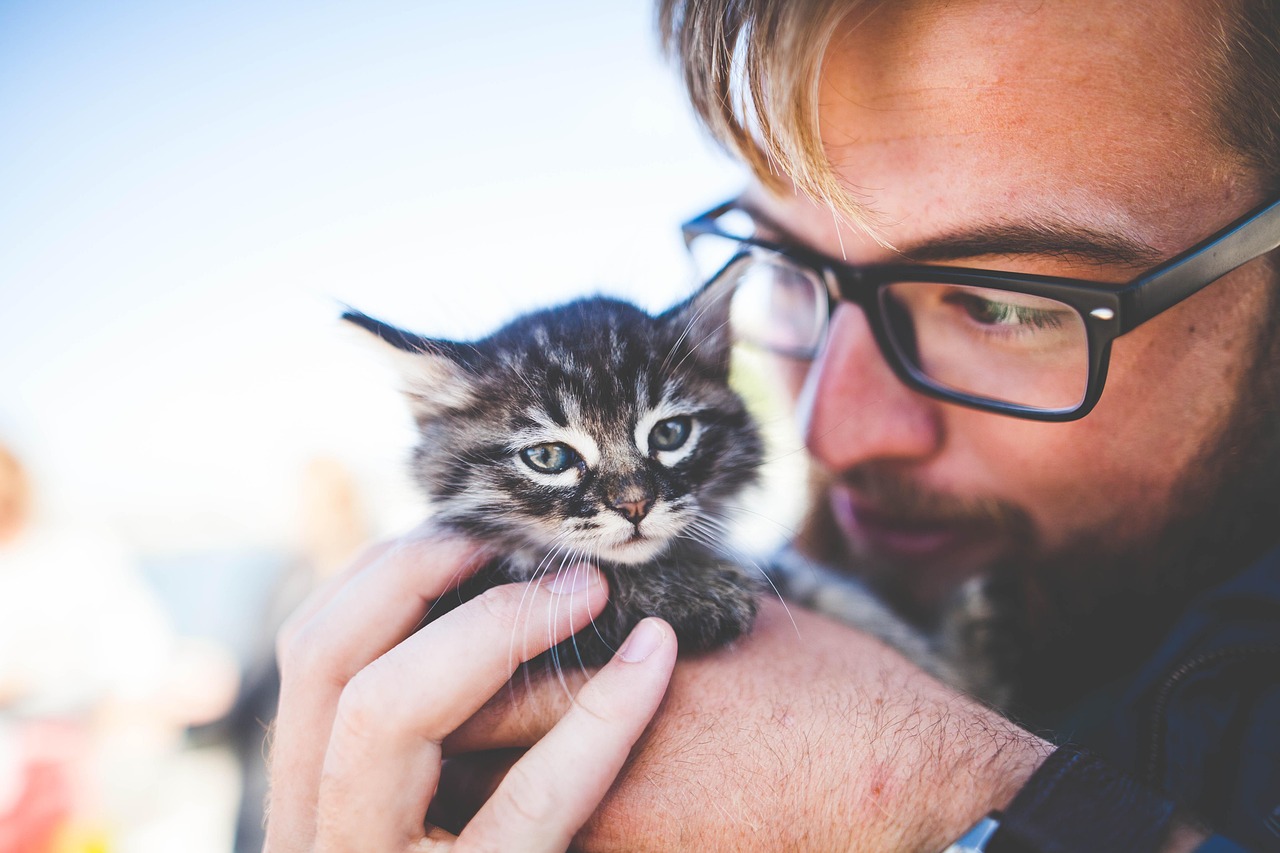

How to Support Immune Health in Kittens After Surgery
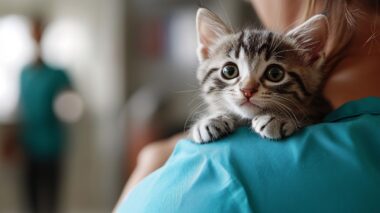
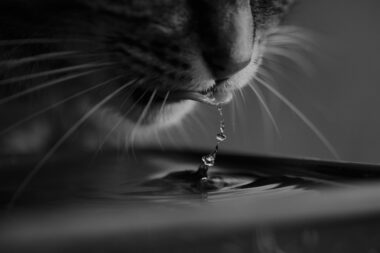
After your kitten undergoes surgery, it’s essential to provide the right care to support their immune health. This recovery period can be stressful for them, and they may require additional assistance to heal properly. One of the first steps is to ensure that your kitten receives a balanced diet, rich in nutrients. Incorporate high-quality, easily digestible food that contains proteins, vitamins, and minerals. Discuss with your veterinarian the best food options tailored for post-surgical recovery. Increasing water intake is crucial as hydration aids in the healing process. Encourage your kitten to drink water regularly by offering fresh water in multiple bowls around the house. Keeping their litter box and surroundings clean will help prevent infections. Make sure to monitor your kitten for any signs of infection or discomfort like swelling around the incision site. If you notice any concerning symptoms, consult your veterinarian promptly. The right care after surgery can significantly influence the speed and quality of your kitten’s recovery, ensuring they bounce back as quickly as possible, with strength and vigor.
Aside from a nutritious diet, consider the role of supplements. Supplements specifically formulated for kittens can enhance their immune function. Probiotics, for instance, help in maintaining gut health, which is essential for immunity. Supplements with Omega-3 fatty acids will also support overall health and reduce inflammation, promoting faster healing. Always consult your veterinarian before introducing any new supplements to avoid interactions with medications your kitten may be taking. Providing a stress-free environment is vital for their recovery; this can be achieved by creating a cozy space. Set up a quiet area with comfortable bedding where your kitten feels safe and secure. Limit interaction with other pets until they are fully healed to prevent unnecessary stress. Gentle petting and reassurance can alleviate any anxiety. Monitor their activity levels carefully; while some movement is good, excessive jumping or running can harm their stitches or recovery process. Encourage calm play that engages their mind without straining their body. With the right balance of care and attention, your kitten’s immune health can be adequately supported during this critical period of recovery.
Importance of Follow-Up Visits
Routine follow-up visits with the veterinarian are an essential component of post-operative care. These appointments allow for professional observation of your kitten’s recovery process. During these visits, the vet can assess healing, check for any signs of infection, and remove any stitches if necessary. It’s recommended to schedule these check-ups promptly according to the veterinarian’s instructions, typically within the week following the surgery. Consistent monitoring will help identify potential health issues early on, allowing for timely intervention. Document any behavioral changes or health concerns leading up to these visits, as this information will be invaluable for the vet. Keeping a journal of their eating habits, activity levels, and any discomfort can assist the veterinarian in making a precise diagnosis. Moreover, this engagement demonstrates your commitment to your kitten’s health, strengthening the bond between you and your pet. Always feel free to ask questions during these visits about your kitten’s recovery, vaccinations, and long-term health plans. Ensuring your kitten gets proper post-operative care, including veterinary support, is crucial for a healthy, happy recovery.
Rest and relaxation play a crucial role in a kitten’s recovery after surgery. It’s important to limit their physical activity to allow proper healing of tissues and surgical sites. Create a comfortable and quiet place for your kitten to rest, away from distractions. Establishing a routine can help your kitten feel secure and safe; they thrive when they know what to expect. Setting specific feeding times and relaxation periods can make them feel more at ease. Sleeping is vital for their recovery, as it allows the body to focus on healing. Limit any stimulation that might cause them to become excited or agitated. Additionally, be vigilant about their movements; monitor them closely to prevent any excessive jumping, climbing, or rough playing. If your kitten appears restless, engaging in gentle playtime or soothing activities can help diminish their anxiety. Provide toys that allow mental stimulation without physical exertion. Regularly checking on their comfort level, and adjusting their environment as needed, can significantly impact their recovery experience. In this way, fostering an atmosphere of calm will facilitate a smoother healing process.
Healthy Environment for Recovery
Creating a healthy environment for your recovering kitten requires both physical and emotional considerations. Ensure the area is free of drafts and extreme temperatures, keeping it comfortable. This space should be designated as their recovery zone, featuring a warm and cozy bed. Use soft bedding that is easy to clean as kittens might have some accidents post-surgery. Also, ensure that the area is dimly lit to create a serene atmosphere. Add familiar items, such as their favorite toys or blankets, to help ease the transition back to home life. It’s also important to maintain a clean environment; regularly clean the litter box and any areas where your kitten spends their time. Keeping these areas sanitized will further protect them from infections. Implement proper ventilation to prevent any allergies or respiratory problems. Avoid exposing them to outdoor allergens or pollutants during this recovery phase, as their immune system might still be vulnerable. Lastly, provide nurturing interaction while allowing ample time for them to recuperate peacefully, which is key for their immune health and overall well-being.
As your kitten’s surgery recovery progresses, it’s essential to keep an eye on their behavior for indications of pain or discomfort. Kittens often disguise their pain, so you need to be observant. Look for signs such as excessive grooming, vocalizing when touched, or reluctance to play. These behaviors might indicate discomfort, requiring a reassessment of their post-operative care. Communicate openly with your veterinarian regarding any unusual signs, as they can provide tailored advice and adjustments to your kitten’s recovery plan. Medication management is also a key component during this phase. Administer any prescribed medications exactly as instructed, as this will directly influence their recovery experience. Timing and dosage are critical for effectiveness; missing doses can impede their healing process. Maintaining a calendar or schedule for medication can keep you organized and ensure doses are not missed. If you suspect that your kitten is experiencing pain despite medication, don’t hesitate to reach out to your vet. They may need to adjust either the dosage or type of pain relief. Your engagement and responsiveness are vital to their successful, comfortable healing.
Nurturing and Emotional Support
Don’t underestimate the power of emotional support for your kitten during recovery. A warm, loving presence helps reduce anxiety and promotes healing. Offer gentle petting, soothing words, or even soft music to create a calming atmosphere. As they recover, offering consistent affection helps reaffirm their bond with you. This emotional connection improves their mood and can enhance overall wellness. Consider the aspects of interactive play, particularly engaging without causing stress or physical strain. Low-key activities help maintain mental stimulation and boost their spirits. Simple toys that encourage gentle play can work wonders. For instance, feather wands can be entertaining without too much exertion. Remember to keep sessions short and upbeat. Always be patient; letting them set the pace to rebuild their confidence is crucial. Establishing a gentle play schedule, full of love and encouragement, can foster a sense of safety and comfort. Furthermore, always recognize their achievements, however small; encouraging words and gentle pats will inspire resilience. Thus, nurturing there emotional and physical needs will support a healthier recovery, ensuring they return to their joyful selves.
Finally, as your kitten progresses in recovery, it’s beneficial to monitor their nutritional needs continually. A well-balanced diet can further support their immunity during this phase. Look for foods rich in antioxidants which can help reduce inflammation and promote healing. Foods containing vitamins C and E are particularly helpful for fostering a strong immune response. Discuss with your veterinarian about potential dietary adjustments, including introducing new varieties that support their health. As their activities gradually increase, adapting their diet might also be necessary to meet their new energy demands. Regular examination of their weight and body condition is essential during this stage. If the kitten is underweight or showing signs of malnutrition due to decreased appetite, you might need to adjust what or when you feed them. Furthermore, consider scattered meals throughout the day to encourage better eating habits. Paying close attention to their food intake will not only support healing but also cultivate healthy lifelong habits. Encouraging a diverse and flavorful diet might also excite their palate, promoting better nutrition and overall wellness. Implementing these dietary strategies will contribute to a successful post-operative recovery.