
Incorporating Toys and Games into Crawl Command Training Sessions
Training your dog to crawl can be a fun and rewarding experience, especially when you incorporate toys and games. Using engaging items will keep your dog motivated and eager to learn. Start with your dog’s favorite toy, such as a squeaky ball or a plush animal, to pique their interest. Hold the toy in front of your dog while sitting or lying down and gently encourage them to move towards it. This encourages a natural crawling motion as they reach for the toy, making it both exciting and rewarding for your pet. Other interactive games can be beneficial as well. For instance, try rolling the toy away on the ground, prompting your dog to crawl in pursuit. This method will keep them active and stimulate their playful instincts. Be patient during these sessions, and don’t forget to reward your dog frequently. Positive reinforcement, such as treats or verbal praise, will solidify the desired behavior. By making the process enjoyable with toys and games, you’ll likely see rapid improvement in your dog’s crawl command skills while strengthening your bond with your furry friend.
In addition to toys, consider introducing varied surfaces and environments to enhance your dog’s crawling training. For example, setting up a mini obstacle course using pillows, blankets, and various textures can add an element of fun. Dogs love to explore different terrains, and crawling over varied surfaces can be a great way to get them used to the command. You can use low furniture, such as benches or cushions, encouraging your dog to crawl underneath while they follow a toy. This adds excitement and also tests their agility. Remember to start with easier setups and gradually increase the difficulty to help maintain your dog’s interest. Allow your furry friend to discover the fun of crawling as they navigate the mini course. Be sure also to use plenty of praise and rewards when they accomplish a task, as this can build their confidence. As your dog becomes more adept at crawling, introduce elements of challenge. Mixing in challenges and obstacles will make training more dynamic and engaging for your pet. Incorporating these strategies will greatly enhance your dog’s learning experience while making the crawl command more enjoyable.
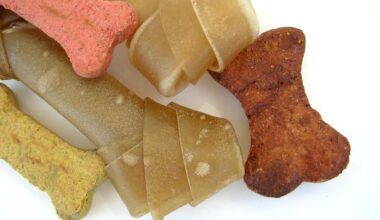
Another effective method to teach the crawl command involves the use of food rewards strategically placed. You can create a trail of small treats leading your dog towards you as they crawl. This encourages them to move closer while promoting the crawling behavior. Use treats your dog loves but keep them small enough so your pet doesn’t fill up too quickly. Starting from a position where your dog is already lying down, place the treats a short distance away, prompting them to crawl to reach their reward. Gradually increase the distance between the treats as your dog learns to associate crawling with receiving treats. Ensure the environment is free of distractions, so your dog can focus entirely on the command. Over time, this technique can lead to positive behavioral reinforcement, associating crawling with securing a tasty reward. Consistency is key in these training sessions, and remember to celebrate small victories. If your dog doesn’t seem interested, try changing treats or alternating their favorite toy for increased motivation. With patience and creativity, you can enhance your dog’s learning experience while making crawling a delightful adventure for them.
Utilizing Interactive Toys
Interactive toys can play a significant role in teaching your dog to crawl effectively. These toys, designed to engage a dog’s interest, can challenge your pet mentally while encouraging physical movement. Toys that require the dog to solve puzzles or manipulate objects can be particularly effective. For instance, try using a toy that dispenses treats as your dog interacts with it, prompting them to crawl towards and then manipulate the toy. Ensure that these toys are safe and suitable for your dog’s size and chewing strength. Start in a quiet environment to prevent distractions, and as your dog becomes familiar with the crawling motion, slowly introduce other training elements. Additionally, interactive toys offer various ways to reward your dog, keeping them excited about the training process. Over time, you might even notice your dog developing their crawling behavior without needing to be prompted. Regular use of these toys in conjunction with your training can lead to significant progress while ensuring that your dog stays mentally stimulated. Monitoring your dog’s reaction to different toys will also help you tailor the training experience to their preferences.
To further enhance training sessions, consider incorporating your dog’s friends into playtime. Having another dog can inspire friendly competition and enthusiasm. This social interaction encourages your dog to participate more actively in the crawl command training. Observe how your dog interacts with their friends — they may be more eager to crawl when they see another dog doing the same. You might organize playdates where both pets can interact, focusing on using the crawl command. You may also use one dog as motivation for the other to follow. Additionally, ensure you alternate the roles during playtime to keep it balanced and enjoyable for both. It’s essential, however, to monitor their interactions closely. Positive reinforcement is critical when they successfully follow the crawl command while their canine friend is present. With continuous encouragement, this method can establish a new level of motivation for training. In turn, this peer interaction could accelerate learning processes effectively. Engaging with other dogs creates an enriching and social experience that benefits both their skills and overall happiness.
Consistency is Key
Consistency in training practices is vital for mastering the crawl command. Regular sessions allow your dog to reinforce the learned behavior, gradually improving their skills. Scheduling training times each week ensures that your dog receives structured opportunities to practice. It helps solidify the connection between the command and the action you expect. When you practice crawl training, always employ similar cues and commands to avoid confusion. Stick to the same phrases or signals, maintaining clarity in your instructions. This repetition is beneficial for building muscle memory in your dog as they learn. Keep training sessions brief but rewarding, as shorter intervals of focused practice tend to be more effective than lengthy, drawn-out sessions, which could lead to fatigue or loss of interest. Incorporating different games every now and then can keep the sessions engaging while still adhering to the four main areas: commands, treats, playtime, and social interaction. Tracking your dog’s progress can also motivate them further. Noting improvements, no matter how small, reinforces positive behavior and encourages continued growth and learning. Creating an enjoyable and consistent learning environment will enhance your dog’s overall training success.
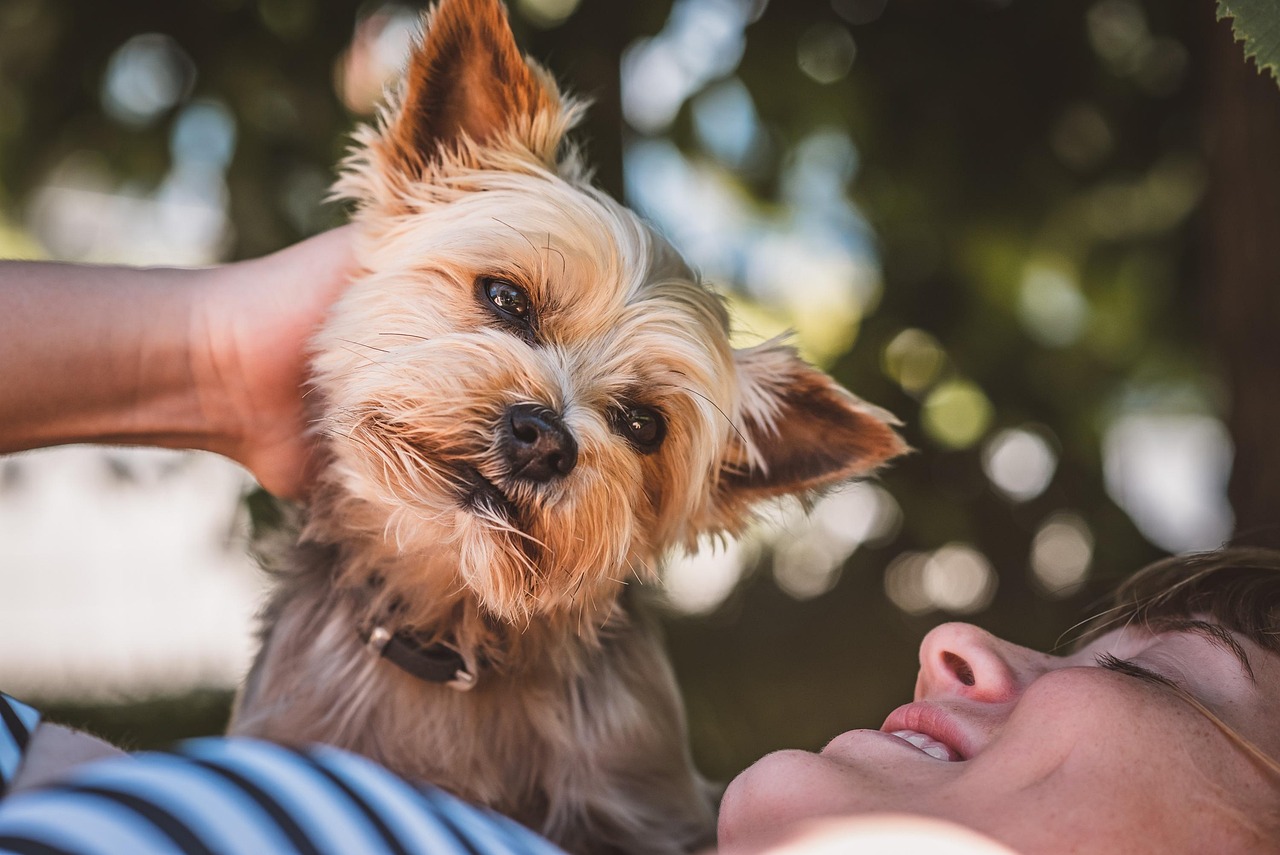
As you continue your crawl command training, always focus on building a strong bond with your dog. This connection will significantly impact their motivation and willingness to learn. Take time to interact outside of training sessions — play together, snuggle, or go for walks. Building a trusting relationship creates a foundation for effective learning, making your dog more receptive to commands. When they understand that training is also a time for bonding, they will likely enjoy participating more in sessions. Remember to tailor your training methods to fit your dog’s unique personality and energy levels. For example, if your dog is particularly energetic, incorporate more playful commands or longer play breaks after each crawling session. Celebrating the accomplishments together, no matter how small, builds confidence in your dog. Keeping this joyful tone throughout your experience fosters a positive atmosphere within your learning. Ultimately, training your dog in such a way that prioritizes connection is beneficial for both of you, creating a memorable training experience and establishing a long-lasting partnership built on trust and joy.
In conclusion, incorporating toys, games, and interactive methods enriches the crawl command training sessions significantly. Not only does it make learning fun for your furry friend, but it also nurtures your bond through shared experiences. The various techniques discussed create a well-rounded approach that encourages physical and mental engagement. Consistency in training practices ensures effective learning, while patience and positive reinforcement enhance your dog’s motivation further. Always keep each session stimulating by introducing new toys, engaging games, and social interactions with other pets. Remember to track your dog’s progress and make adjustments based on their needs. Celebrate successes to strengthen their desire to learn! By blending elements of play and structure, you are setting the stage for success in mastering the crawl command. Gradually, persistence and a loving atmosphere will lead to your dog executing the crawl command with ease. Ultimately, this journey creates joy and accomplishment for both you and your pet, resulting in rewarding moments that go beyond obedience training. Embrace the adventures you will have together through this learning process while instilling valuable lessons essential for their development.