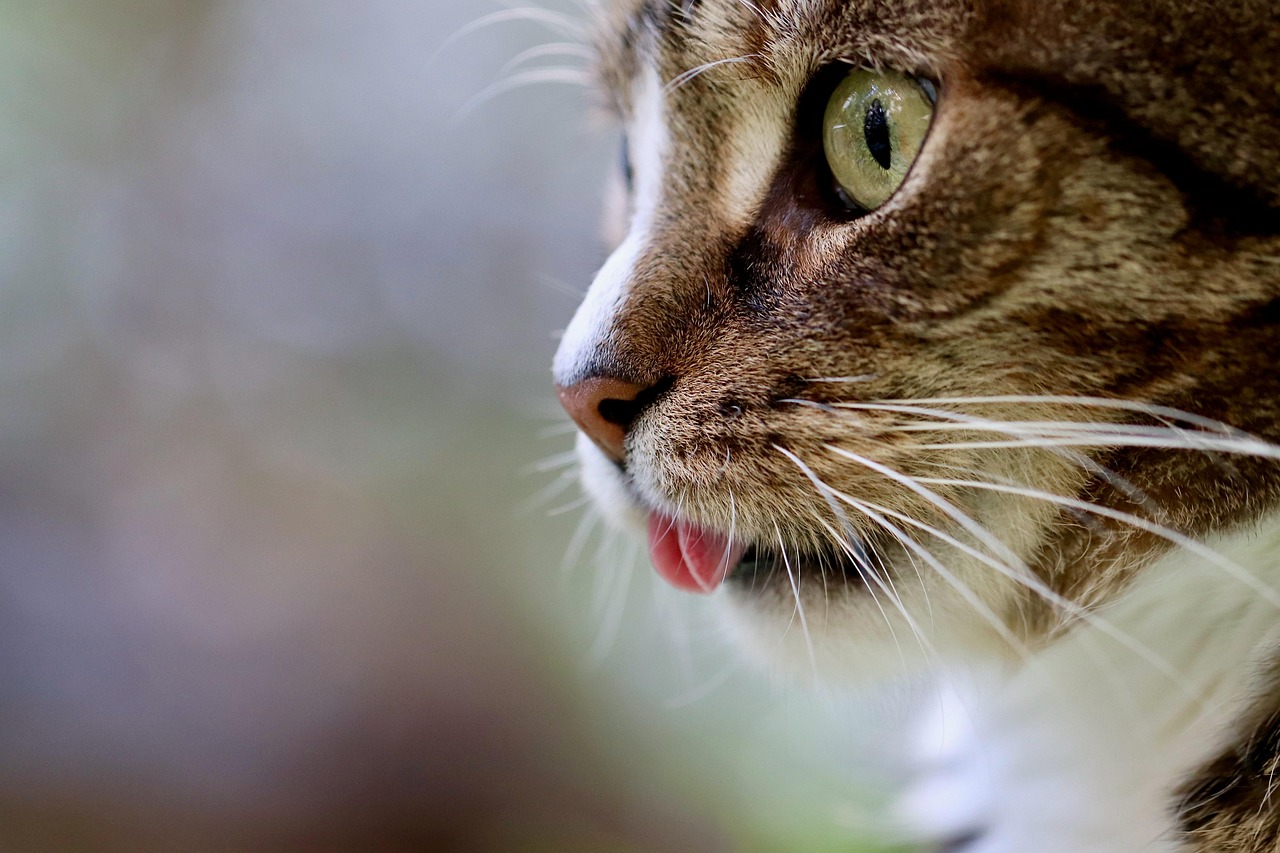

Preventing Aggression During the Socialization Process
Socializing your cat can sometimes be complicated, as aggression may arise if not handled properly. To mitigate aggression, understanding your cat’s body language is vital. Watch for signs of discomfort, like flattened ears or a puffed-up tail. If you observe these signals, it may be best to give your cat some time alone to cool off. Gradually introduce your cat to new environments and people to help create positive associations. Start slow, allowing your cat to explore at its own pace. By using treats and praise, you can encourage your pet to engage positively during the process. It’s essential to ensure interactions are controlled and not overwhelming. Frequent, short socialization sessions can yield better results than prolonged exposure. Moreover, ensure your home is a calm environment, with spaces for your cat to retreat if it feels threatened. This safety allows them to gain confidence. Avoid using force, as this can lead to heightened aggression. Instead, provide consistent, gentle encouragement as your cat learns to adapt to various situations and new experiences.
One effective strategy is to employ gradual desensitization techniques when introducing your cat to new stimuli. This method involves slowly exposing your cat to various triggers while monitoring its reactions, thus decreasing fear or anxiety over time. Start with minimal exposure, such as allowing your cat to observe a new person or pet from a distance before progressing closer. Reward calm behavior with treats or affection to reinforce positive experiences. Consistency is key—repeat these sessions regularly to help your cat adjust. Use toys, like feather wands or interactive sets, to distract your cat from any stressful situation. Engaging your cat in play not only redirects energy but creates positive experiences associated with being social. Time spent playing together can help strengthen your bond and make social interactions feel more natural. Additionally, consider pheromone diffusers or sprays, as these can promote relaxation during the introduction periods. If possible, socialize your cat with other friendly, well-adjusted pets or calm people to provide positive examples of interactions. Remember to be patient; some cats require more time to acclimate than others.
Establishing a routine is vital in preventing aggression during the socialization phase. Cats are creatures of habit, and a predictable routine can provide a sense of security and stability. Consistency in meal times, play, and socialization opportunities can help your cat feel more comfortable in their environment. Incorporating training exercises focused on basic commands can also aid in establishing communication. Using positive reinforcement, such as treats or praise, can help your cat associate these commands with positive experiences. However, be aware of your cat’s mood and physical state each day. On some days, your cat may not feel up for social interactions, and it’s crucial to respect those feelings. If your cat exhibits signs of tension or anxiety, it may be beneficial to take a break from socialization and allow your pet time to recharge. Keeping a journal of your cat’s progress can help track improvements and identify patterns in their behavior. This practice can be particularly useful for pinpointing triggers that may lead to aggression. Celebrating small victories along the way can also boost yours and your cat’s confidence.
Positive Reinforcement and Rewards
When working towards socializing your cat, one of the most effective strategies is positive reinforcement. This method involves rewarding desirable behaviors, such as calmness or curiosity toward new people and experiences. Treats, affection, and praise can help reinforce positive interactions while discouraging aggression. Choose small, tasty treats that your cat enjoys, and offer them immediately following a good behavior moment. This approach creates a direct association between the behavior and the reward, increasing the likelihood that your cat will repeat it. Timing is crucial; ensure that rewards are given promptly to strengthen the connection. Additionally, make use of your cat’s favorite toys, as these can encourage engagement during socialization sessions. Using plush toys for playtime can create enjoyable distractions while also satisfying your cat’s natural hunting instincts. Ensure these toys are interactive to foster social play. Also, observe your cat’s preferences and adjust your rewards accordingly. If your cat enjoys certain forms of attention, like gentle petting or rubbing, incorporate this into your interaction to make socialization feel enriching rather than stressful.
Environmental enrichment plays an essential role in reducing aggression during socialization. Providing your cat with various engaging activities, toys, and safe spaces can help reduce anxiety and frustration that can lead to aggressive behavior. Interactive toys, puzzle feeders, and climbing structures can stimulate their minds and bodies while keeping them busy. Creating a cat-friendly environment allows your pet to explore and exercise their instincts, reducing pent-up energy that might otherwise result in aggression. Additionally, make sure to include safe hiding spots where your cat can retreat and feel secure when stressed or overwhelmed. These spots offer them a sense of control in their environment. Furthermore, implementing vertical spaces encourages natural climbing behavior, thus providing another outlet for energy and excitement. Introducing scent trails or different textured surfaces can also encourage curiosity, offering an engaging experience during socialization. Lastly, consider rotating toys and altering the layout of their environment periodically to keep things fresh and interesting. Monitoring your cat’s interactions and mood can also help identify what enrichments they respond to best, allowing you to customize their experiences.
Engaging with Other Cats
Introducing your cat to other feline companions can be an important step in socialization. When done correctly, this can help them learn positive social behaviors and reduce aggression. Begin by ensuring that both cats are in a neutral area to minimize territorial behavior, as introducing a new cat in their space might trigger aggression. Allow them to sniff each other while remaining at a safe distance, gradually decreasing this space over time. Use treats throughout this process to foster positive interactions. Supervise these meetings closely, paying close attention to body language and any signs of tension or fear. If one of the cats shows signs of aggression, separate them immediately to prevent negative experiences from becoming ingrained. It may be useful to provide parallel play opportunities, such as interactive toys that both cats can engage with at the same time. This can foster a sense of teamwork and shared discovery, helping them build a rapport. Be patient, as it may take several sessions for your cats to feel comfortable around each other while minimizing aggressive responses.
In situations where aggression continues to be an issue, consulting with a professional behaviorist could be the next step. These professionals can provide guidance tailored to your specific situation, helping you develop a more effective strategy for your cat’s socialization journey. They can analyze your cat’s behavior patterns and recommend specific training methods or management techniques. Additionally, they may suggest behavioral modification programs to address aggressive tendencies. Ensure you communicate about the specifics of your cat’s environment, interactions with other animals, and prior experiences, as these factors can influence their behavior. Sometimes, adjusting the socialization approach based on an expert’s recommendations can lead to significant improvements. Always keep in mind that aggression may not be entirely eliminated; however, with the right techniques and patience, they can certainly reduce. Regularly reviewing and adjusting your strategies will contribute to your cat’s ongoing progress. As you take these steps, remember that fostering a strong bond with your cat during socialization will create a foundation of trust. By combining persistence, understanding, and positive experiences, you and your cat can enjoy a harmonious relationship.