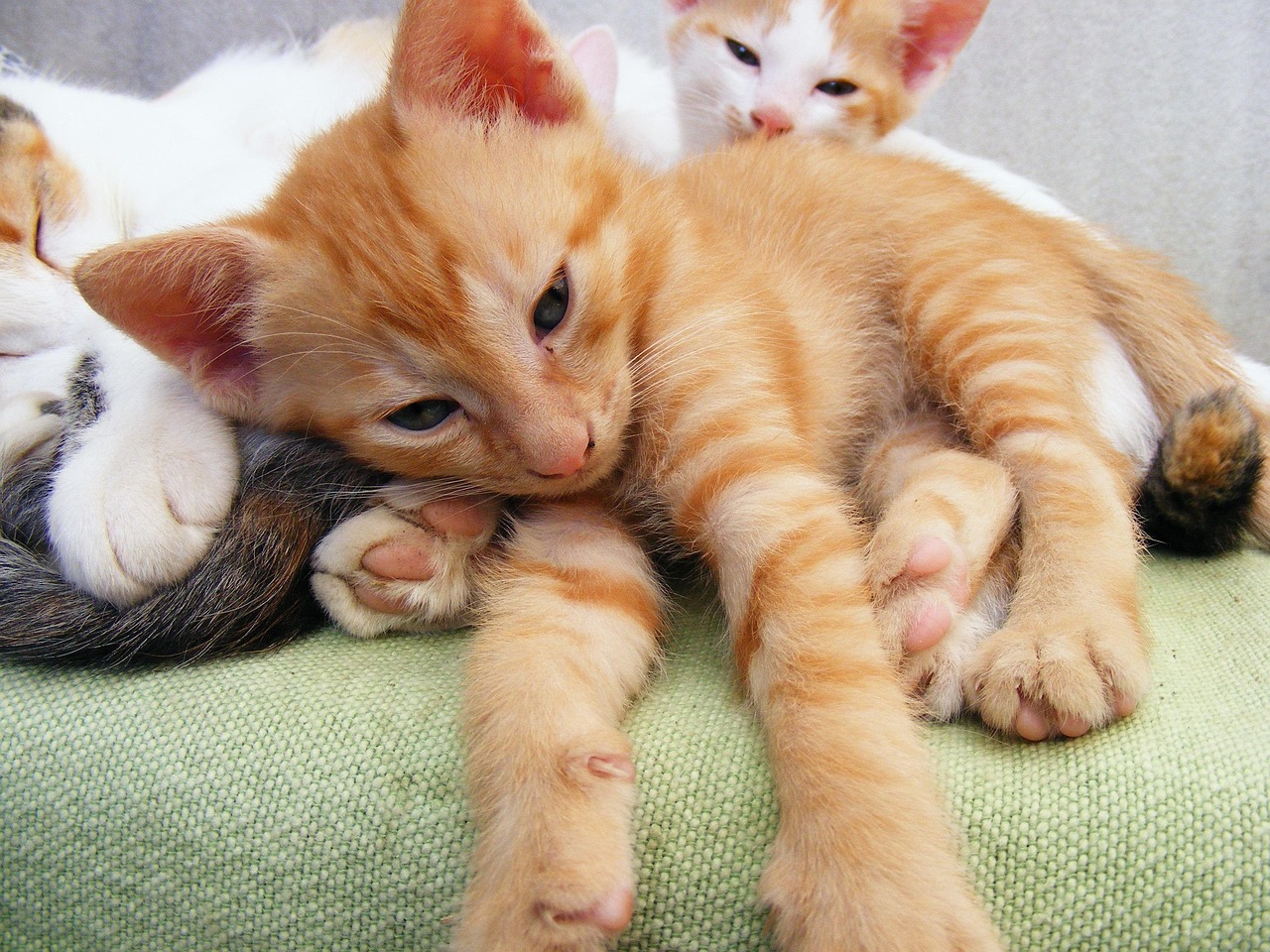

Safety Precautions When Conducting Group Play for Cats
Group play can be a fantastic way for your feline friends to socialize and exercise. However, it comes with various risks that need to be understood and mitigated. First and foremost, consider the health and temperament of your cats. Not all cats are social, and introducing different personalities can lead to conflicts. Observe your cats closely during interactions to note their behaviors. Ensure that each cat is up to date with vaccinations. This prevents the spread of diseases during playtime. Furthermore, create a safe environment by removing potential hazards such as sharp objects or toxic plants. Supervise the play session consistently. This can prevent any aggressive behavior from escalating into fights or injuries. Always have a separate area where a stressed cat can retreat. Provide sufficient toys to minimize competition for playthings, which can lead to aggression. Finally, consult with your veterinarian or a feline behaviorist if unsure about your cats’ interactions. Their expert advice can be invaluable in preventing unsafe situations among your group of cats. Keep these precautions in mind to ensure a delightful playtime experience for everyone involved.
Monitoring the cats is essential for ensuring their safety. Set clear rules and engage in group play in a compatible space. This should be free from distractions and other pets. Understand each cat’s individual needs, taking note of their comfort levels with different cats. Gradually introduce new cats into the group to minimize stress. Make sure to start with short play sessions and evaluate their reactions before increasing the time spent together. If any signs of aggression or stress are observed, separate them immediately. Cats should never be forced to engage with each other. Always keep food and water options available so that the cats can stay hydrated and nourished. This reduces agitation and maintains a calm atmosphere throughout playtime. It’s also beneficial to establish an exit plan in case a swift separation is required. Lastly, remember to reward good behavior with treats. This positive reinforcement will help build trust among cats in the group. Properly set boundaries and monitoring can enhance the overall experience while ensuring every cat enjoys safe and fun interaction.
Understanding Cat Behavior
An understanding of feline behaviors plays a critical role in successful group play. Each cat has distinct socialization patterns. Some may be naturally more social, while others might prefer solitude. Monitor their body language closely during interactions. Signs of discomfort include flattened ears, hissing, or swatting. Take these signals seriously, as they indicate that the cat may need space. Background understanding of the cats’ past experiences with social dynamics can inform play group compositions. Choose cats that share similar play styles to promote harmonious interactions. Create opportunities for non-confrontational play, such as using interactive toys that allow distance while engaging in fun activities. Provide vertical spaces, like cat trees or shelves, in the play area. Cats often feel more secure when they have places to escape to if they feel overwhelmed. Playtime should always be balanced; rotating toys will keep them engaged. Disturbances can arise, so pay attention to sudden changes in dynamics. A peaceful and well-monitored environment fosters trust and enhances the enjoyable experience of group play manageable for all involved.
Proper introductions lay the foundation for effective group play. If a new cat is to join, slowly introduce them to familiar cats in neutral territory first. Allow them to explore this shared space without pressure. This gives cats a chance to acclimate without the fear of territorial disputes. Gradually increase the time they spend together and watch for signs indicating whether they are adjusting well. Provide positive reinforcement, such as treats or affection, to build a positive association with each other. During each gathering, set specific playtime rules that everyone involved can understand, including how to play and interact without aggression. Make sure the play area is enclosed or secure, enabling the cats to explore safely. Playful banter can empower traditional play methods, yet careful monitoring is vital. Ensure there are enough safe toys to prevent competition over a single item, which can lead to fights. Always define boundaries for acceptable interactions clearly. Even during supervised activities, surprises can still occur. Being prepared and understanding the dynamics can assist in managing behaviors as needed, ensuring safety throughout the process.
Creating an Enriching Environment
Setting up an enriching environment maximizes benefits during group play sessions. Enrichment not only stimulates their minds but also lessens aggression, encouraging positive interactions. A suitable play area should include multiple toys and climbing structures. Cats enjoy exploring, and creating a fun playground atmosphere allows for natural instincts to flourish. Utilize interactive toys that can be operated together, which promotes teamwork rather than competition. These can include feather wands or laser pointers. Provide hiding spots like cardboard boxes or tunnels where cats can retreat when feeling stressed. Always ensure that water bowls and litter boxes are easily accessible to avoid disputes over resources. Catnip can also stimulate positivity, creating a relaxed atmosphere during playtime. Frequent changes in the arrangement of toys, or adding new items, keeps the environment fresh and interesting. Make sure to engage in structured play alongside the cats, fostering bonding and reducing anxiety. All these factors contribute to a positive environment, creating the best experience during group interactions. Ultimately, this cultivates a sense of community among the cats, which should always be the aim of group play sessions.
Group play brings a range of benefits to cats, provided it’s conducted safely. Social playtime can aid in reducing behavioral issues related to loneliness. When cats engage with one another, they tend to exhibit fewer signs of loneliness-induced stress. Regular, positive social interactions can enhance overall well-being, helping them thrive emotionally. In addition, exercise during group play contributes massively to their physical health. Keeping both their minds and bodies active leads to healthier weight management. Cats are naturally curious creatures, and engaging environments encourage stimulating behaviors. Social interactions also encourage play styles that replicate typical hunting behaviors, instilling their instinctive skills. Furthermore, structured play can help avoid the development of undesirable behaviors such as scratching furniture or excessive vocalizations. This strategy can also prevent aggressive encounters resulting from boredom or excess energy. Cat owners increasingly emphasize their cats’ social needs. Scheduling consistent, safe group play ensures the affairs of cats remain engaging and fulfilling. Overall, a well-monitored and integrated group-play activity can significantly enhance their quality of life and strengthen bonds between owners and their furry companions.
Conclusion and Best Practices
Concluding the importance of safety in group play for cats cannot be overstated. Adhering to best practices ensures that interactions remain enjoyable, promoting companionship among cats. Prepare the play area adequately and continuously supervise interactions to assess comfort levels. Avoid forcing cats to engage with one another against their will, as this can lead to distress and aggressive encounters. Gradually introduce new cats into established groups and address any behavioral concerns immediately. Understanding individual personalities will refine interactions and promote harmony in group dynamics. Keep play sessions interactive, interesting, and healthy to offer the best experience possible. Building trust and a positive atmosphere through structured activities makes a significant difference in how cats relate to one another. Furthermore, reward positive interactions with praise and treats to encourage good behavior. Engaging with the cats during playtime promotes a sense of equality among participants. Lastly, communication with veterinarians or animal behaviorists is essential when needed. By implementing these precautions consistently, owners can enhance their cat’s social experiences, ensuring that group play is safe, enriching, and undeniably fun.
Understanding safety measures while conducting group play is vital for maintaining a happy feline household. The ultimate goal is to ensure each cat enjoys pleasant interactions without fear or discomfort. Recognizing how to facilitate safe, structured playtime can change everything for pet owners. By preparing environments that cater to socialization, monitoring behaviors, and addressing potential aggression, owners can lay a foundation for positive cat experiences. Developing intentional group play sessions enhances the bond between cats and their human companions. Simple strategies create lasting benefits in each session, thus leading to emotionally balanced and socially adept cats. By fostering understanding and communication among owners, multiple cats can happily coexist and support one another. Remember, the aim of group play is not only to provide entertainment but also to facilitate growth and social structure. Continuous learning enables cats to thrive in an uplifting environment where positive relationships can form and grow. When handled correctly, group play becomes a delightful experience, thus ensuring that safety remains at the forefront of these sessions. Establishing rewarding playtime encourages future interactions among cats. Overall, this results in a harmonious, enjoyable household for everyone involved.