
The Role of Exercise in Reducing Nighttime Anxiety for Dogs
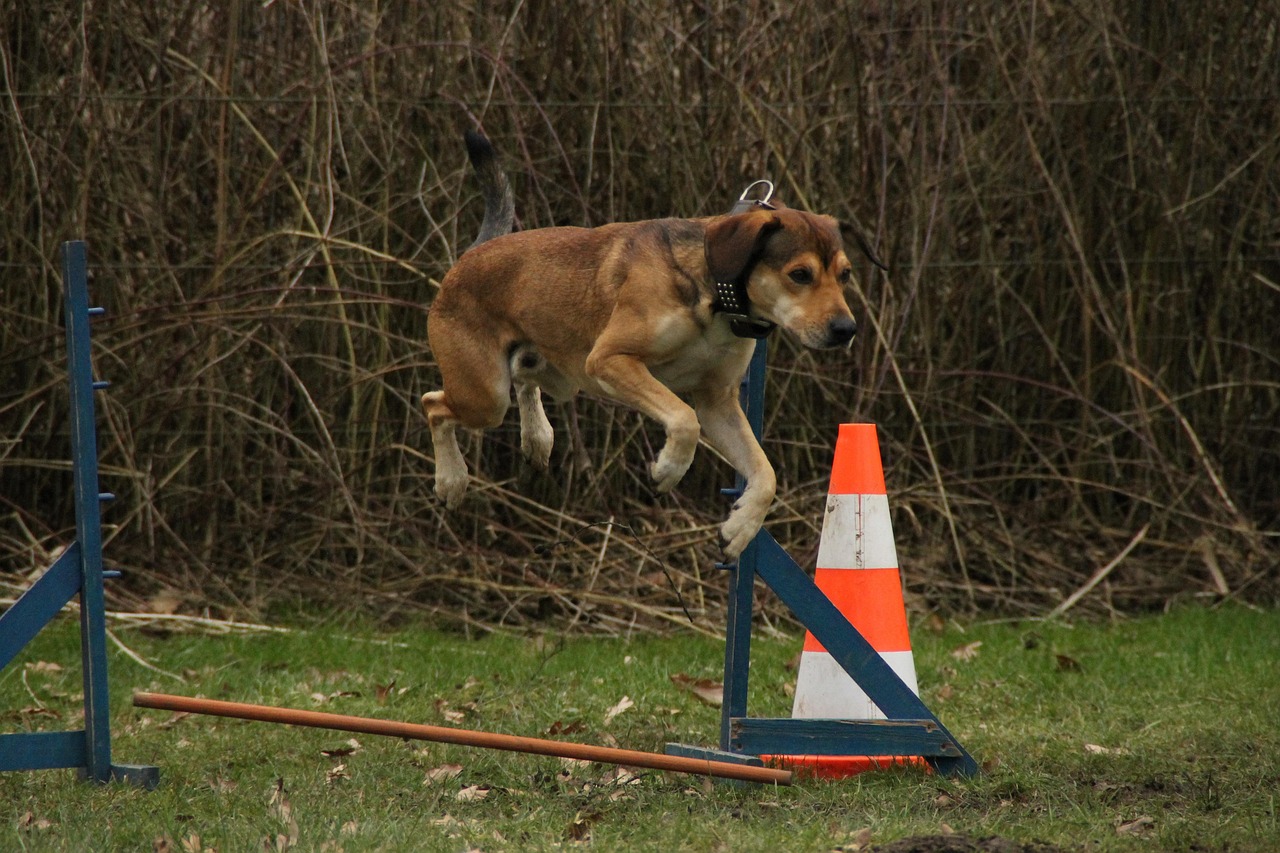
Many dog owners are unaware that physical activity plays a fundamental role in managing nighttime anxiety in dogs. Exercise not only enhances physical well-being but also enhances mental health, which significantly contributes to reducing anxiety levels. When dogs receive adequate exercise during the day, they burn off pent-up energy, which helps them settle down during the evening. Activities such as walking, playing fetch, and agility training provide mental stimulation and engage a dog’s instincts. Additionally, regular exercise promotes better sleep patterns, helping your dog feel more relaxed at night. Whenever your dog experiences anxiety, it’s often due to a lack of physical and mental engagement. Enhancing their routine with structured exercise can drastically improve behavior at night. Moreover, it’s essential to pay attention to individual dog needs and energy levels; some may require more vigorous activities than others. Therefore, understanding your dog’s specific energy expenditure is crucial in creating an effective exercise regimen that reduces anxiety, ultimately fostering a healthy and balanced lifestyle. The key takeaway is that exercise is an essential ingredient for a peaceful night’s sleep for dogs and their owners alike.
Understanding Nighttime Anxiety in Dogs
Nighttime anxiety in dogs can manifest in various behavioral issues such as barking, pacing, whining, or destructive tendencies. Understanding the root causes of nighttime anxiety is critical in addressing the problem effectively. Common triggers include separation anxiety, fear of the dark, unfamiliar noises, and even past trauma. By identifying these triggers, owners can implement more effective strategies for alleviating their dogs’ stress. One of the most beneficial approaches includes ensuring dogs receive sufficient exercise during daylight hours. This helps expend excess energy that might contribute to nighttime restlessness. In addition to physical exertion, mental stimulation through engaging games, puzzle toys, and training sessions also helps calm anxious minds. Behavioral training can help in developing coping mechanisms for anxiety as well. As short-term solutions, creating a safe, comfortable environment and using calming aids such as anxiety wraps may also be beneficial. However, the foundation lies in consistent and sustained activity throughout the day. Engaging a dog mentally and physically will create a profound transformation in their nighttime behavior, ultimately resulting in a more peaceful atmosphere for both pet and owner.
Establishing a consistent routine is another crucial aspect in alleviating nighttime anxiety among dogs. Routine helps dogs feel secure and understand what to expect throughout the day, reducing uncertainty that often leads to anxiety. An effective routine must prioritize scheduled feeding times, playtime, and nightly wind-down periods. The combination of exercise and rest ensures dogs are prepared for a good night’s sleep. A reliable schedule allows your dog to anticipate activities and builds their confidence, mitigates anxiety, and helps them learn when it’s time to relax. Engaging in structured activities not only prepares your dog for resting in the evening but also contributes to improved behavior during the day. A tired dog is generally more inclined to settle down at night instead of roaming around or barking. Owners should ensure that wind-down time follows the exercise session, allowing dogs to relax in a comforting environment. Besides, ensuring their personal space is conducive for sleeping — including a comfortable bed and a quiet area — aids in reducing anxiety levels significantly. Routines foster a sense of stability for dogs and can be immensely beneficial in transforming their nighttime behavior, leading to a happier, healthier pet.
Incorporating training methods to manage nighttime anxiety in dogs can enhance their overall well-being. Training helps to establish boundaries and instill good habits in a dog’s behavior. One effective training method includes desensitization, which involves gradually exposing your dog to the triggers causing anxiety. Start with mild stimuli and progressively increase the intensity while rewarding calm behavior. Reward-based training encourages dogs to create positive associations with things that formerly evoked anxiety. Moreover, engaging in obedience training provides mental stimulation that can alleviate anxiety during nighttime. As dogs learn commands and engage in focused tasks, their minds are directed positively, reducing anxiety levels significantly. Owners can also work with professional trainers or behaviorists for tailored advice and strategies based on their dog’s needs. Continuous socialization during the day further enables dogs to become confident, decreasing anxiety when nighttime approaches. A well-trained and socialized dog will typically experience fewer behavioral problems during the night. Training not only aids in easing anxiety but also strengthens the bond between the pet and the owner, fostering a peaceful nighttime environment for both parties.
Specific Exercises for Anxious Dogs
Different dog breeds exhibit various energy levels and preferences for exercise, so selecting the right activities is essential for managing nighttime anxiety. For active breeds like Border Collies and Labrador Retrievers, high-energy exercises such as running, hiking, and swimming are suitable. These activities engage their minds and bodies, effectively burning off excess energy that may lead to nighttime restlessness. Alternatively, breeds that are less active, such as the Bulldog or Basset Hound, may benefit more from low-impact activities like leisurely walks or gentle play around the house. Mental engagement is key, so incorporating puzzle toys or scent games into regular routines can enhance interest and relieve tension. Dogs can also benefit from less intense options like basic obedience training or learning new tricks, which promote mental engagement without overwhelming them, thus calming their anxiety. Owners should mix various activities to prevent boredom and keep their dogs engaged. Regular time invested in exercising your dog not only fosters a strong bond but also creates a calm and restful environment in the home, especially at night. Ultimately, tailor the routine based on your dog’s needs to achieve lasting results in nighttime anxiety reduction.
Creating a calming environment in conjunction with regular exercise is critical to reducing nighttime anxiety. Dogs thrive in spaces that are comforting and secure, and owners should prioritize their dog’s sleeping area. Consider including a cozy bed located in a quiet corner of the home where distractions are minimal. Soft, dim lighting and familiar scents will contribute to a restful atmosphere. Calming aids, such as anxiety wraps or pheromone diffusers, can also enhance relaxation during the night. Additionally, incorporating soothing sounds, such as white noise machines or calming music, can help mask unsettling noises that may trigger anxiety. This environment pairs excellently with the positive impacts of exercise, ensuring your dog can wind down effectively after an active day. Owners must monitor their dog’s reactions and adapt their setup to ensure a continuous sense of comfort. The ultimate goal is to foster a sanctuary where dogs can feel safe and secure during the night. An inviting space, combined with consistent exercise and positive reinforcement, creates a holistic approach to combatting nighttime anxiety, benefiting both pet and owner, as it encourages restfulness at night.
The Importance of Consistency
Consistency is vital in the efforts to reduce nighttime anxiety in dogs, as regularity in exercise and routines establishes predictability. Dogs find comfort in familiarity, so creating an environment and schedule that remains constant aids significantly in their emotional health. Owners are encouraged to adhere to specified times for walks, play, and bedtime to reinforce this routine. Gradually increasing exercise levels is also advised, helping dogs build stamina in a manageable manner and adapting to changes easily. Remember that any abrupt changes in routines can lead to confusion and increased anxiety. Furthermore, being mindful of seasonal fluctuations in exercise opportunities is crucial, as the weather may affect outdoor activities. During winter, consider alternative indoor exercise solutions, such as interactive games and training sessions, to maintain their routine. Consistency in positive reinforcement during training and generalized behavior can also help ease anxiety over time. A calm and structured household allows dogs to feel securely anchored, contributing to a reduced likelihood of experiencing anxiety at night. By maintaining a stable and consistent routine, owners are investing in their dog’s long-term emotional well-being, supporting a peaceful residence where everyone can thrive.
In conclusion, addressing nighttime anxiety in dogs requires a multifaceted approach that heavily includes exercise as a primary strategy. Regular physical activity helps release pent-up energy, while consistency in daily routines fosters a sense of security for dogs. Understanding an individual dog’s specific needs plays a crucial role in tailoring the appropriate exercise regimen. Engaging dogs in stimulating activities not only aids in burn-off energy but also positively impacts their mental state. Owners should prioritize activities that match their dog’s energy levels, ensuring both mental and physical challenges. Additionally, creating a comforting, consistent nighttime environment is fundamental in reducing anxiety. Combining exercise with positive reinforcement training creates a holistic solution to anxiety management. Dogs thrive on structure, and an owner’s commitment to regular exercise will promote calmness and reduce behavior issues at night. Ultimately, with patience and dedication, dog owners can help their furry companions lead a balanced, fulfilling life free of excessive nighttime stress. The benefits of exercise extend beyond merely physical health; they significantly improve a dog’s emotional well-being and lead to a harmonious home life.