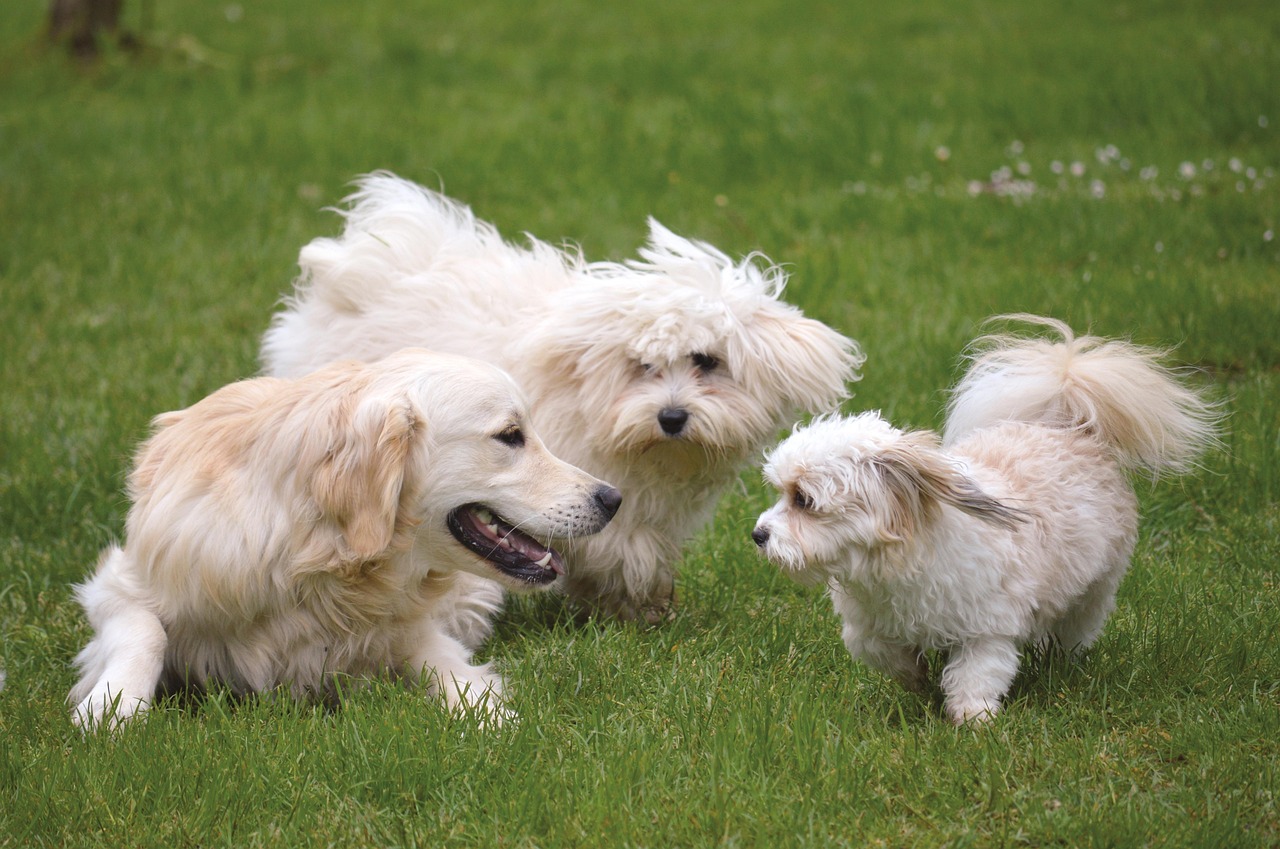

Building Confidence Through Positive Social Experiences in Dogs
Socialization is a key component for maintaining a dog’s mental health. Exposure to various environments, people, and other dogs can help reduce anxiety and fear, contributing to better overall behavior. When dogs interact positively with others, it leads to the development of confidence in new situations. Positive social experiences can decrease aggressive behaviors that often stem from fear or insecurity. Engaging with polite and friendly dogs helps teach social cues. Therefore, it’s essential to ensure that your dog associates positive feelings with interactions outside of familiar environments. It is vital to monitor their body language to prevent overwhelming experiences. Each interaction can serve as a building block for their mental wellness. Consistency in socialization reflects positively on their overall temperament. Positive reinforcement is crucial here; rewarding calm behavior during encounters can encourage desirable responses in the future. Above all, the impact of a well-socialized dog is beneficial to the pet and its owner, creating a harmonious living environment. As such, understanding socialization’s role is essential in nurturing a mentally healthy dog, which in turn fosters a great pet-owner relationship.
Positive experiences in socialization help dogs not only build confidence but also develop essential life skills. Dogs learn how to communicate effectively, improve their behavior, and interact with different stimuli in a controlled environment. Attending puppy classes or dog parks offers numerous opportunities for dogs to expose themselves to various sights and sounds, which can help desensitize them to worries. Patience and support from their owners during these encounters are critical. Dogs thrive in environments where they feel secure and assured. By gradually introducing them to new experiences, you provide a stable foundation for their emotional health. Socializing with other dogs can reinforce good manners through modeling behavior. This process can initiate a beneficial cycle as well; for instance, an overexcited dog can be calmed down by observing a relaxed companion. Additionally, engaging in supervised playtime can create positive associations with their peers. When they learn to enjoy the company of others, their independence and optimism in life grow. Therefore, facilitating these experiences fosters well-rounded, happy dogs. A well-socialized dog often demonstrates reduced stress levels, which leads to a more fulfilling life for both the pet and the owner.
Strategies for Effective Socialization
To ensure successful socialization, consider devising a plan that includes various activities and environments. Start with controlled settings, gradually introducing more challenging scenarios as your dog becomes comfortable. Engage in group walks where they can encounter people and other dogs safely. Organize playdates with well-behaved and vaccinated pups to enhance their social skills. You can also utilize local parks during off-peak hours to minimize overwhelming stimuli. It’s essential to observe your dog and recognize their comfort levels. If they appear anxious or fearful, take a step back and allow them some space to adjust. Use treats and praise to reinforce positive behaviors during interactions. Incorporate well-structured training sessions with rewards to build trust between dogs and humans alike. Providing positive feedback builds a strong association with social situations. For fearful or shy dogs, consider seeking advice from a professional dog trainer to help navigate their concerns effectively. Remember, the goal of socialization is to enrich your dog’s life and instill confidence. An emotionally balanced dog is more likely to thrive, leading to continued mental health benefits as they grow.
Crucial to the socialization process is understanding your dog’s individual personality and needs. Each dog is unique and may not respond the same way to social situations. Some dogs may be naturally outgoing, while others are more reserved or cautious. Recognizing these traits helps tailor social interactions to suit their comfort levels. Gradually exposing an introverted dog to new experiences builds a stronger foundation for confidence. Encourage exploration but avoid forced encounters that could lead to anxiety or negative associations. Each successful interaction paves the way for increased comfort in future encounters. Owners must remain calm and assertive to guide their pets through new experiences. The more relaxed you are, the more at ease your dog will feel. Keep in mind that it’s essential to end each socialization encounter on a positive note, regardless of the challenges faced. Playtime or treats can reinforce good behavior, encouraging the desire to engage in similar situations again. By fostering a supportive environment during socialization, you display to your dog that exploration can be enjoyable. This assurance contributes to their mental wellness and positively influences their interactions with the world around them.
The Role of Environment
Environment plays a significant role in the successful socialization of your dog. It influences their reactions and responses to various stimuli. Urban areas might present different challenges, such as traffic or crowds, compared to quieter, rural settings. It’s essential to familiarize your dog with a variety of environments in a safe manner. Start with quieter spaces before gradually introducing them to busier areas. Observing how your dog reacts will help guide your socialization process. Dogs that are well-adjusted in various environments demonstrate lower anxiety levels and improved adaptability. Outdoor adventures such as hiking or visiting parks can provide enriching experiences, allowing dogs to interact with diverse animals and people. Ensure they are exposed to different sounds and smells, which activates their natural instincts and promotes mental stimulation. Supervised visits to pet-friendly shops can also add variety without overwhelming them. Create positive associations with new places by allowing your dog to explore while using treats and positive reinforcement. These experiences expand their comfort zones and boost their confidence. The combined effects of diverse environments lead to a mentally healthier and happier dog.
Another critical aspect of socialization is demonstrating appropriate behavior. Dogs often look to their owners to understand how to react in various situations. Exhibiting calmness in unfamiliar environments teaches dogs that they, too, can feel secure. Maintaining a steady routine that includes regular socialization opportunities will establish a normalized behavior pattern for your pet. Utilize appropriate body language to convey a sense of peace, whether interacting with other dogs or people. When possible, identify potential triggers that spark anxiety or aggression, so you can plan accordingly. Reacting calmly to situations enables your dog to mirror confidence and reduce their uneasiness. Furthermore, positive distractions, such as toys or treats, can redirect their focus in uncomfortable scenarios. Always prioritize rewarding positive behavior as it reinforces their ability to manage stress. If a dog becomes overwhelmed, allow them time to cool off before re-engaging. This strategy will further solidify their confidence, allowing them to experience successful interactions. The long-term benefits of demonstrating appropriate behavior during socialization can lead to a well-balanced, confident dog.
Conclusion: Building Lifelong Social Skills
Building confidence through positive social experiences is vital for any dog’s mental health. It encompasses understanding the unique attributes of your dog, recognizing their limits, and gradually introducing them to new environments. Consistent and positive exposure to people, places, and other dogs solidifies their learning process. By following varied strategies for effective socialization, you can encourage your dog to thrive in a variety of situations. You’ll enhance their ability to adapt and respond positively to new challenges. Remember, patience is essential throughout this journey. Each dog learns at its own pace, and it’s crucial to celebrate small victories along the way. By creating a comprehensive socialization plan focusing on positive interactions, you promote a fulfilling life for your dog. Ultimately, it is the balance of positive experiences that fosters development and shapes a well-adjusted canine companion. As you cultivate their confidence, you simultaneously strengthen your bond, enriching both your lives. In the end, positive socialization contributes to a healthier, happier dog and strengthens the connection between owner and pet.
Engaging in your dog’s socialization journey is a rewarding endeavor that benefits both of you. As your dog matures, the experiences they accumulate promote increased resilience and adaptability. A confident dog is equipped to cope with the abundance of stimuli in the world, resulting in a more enjoyable experience for pet owners as well. Investing time and effort ensures lasting positive impacts on your dog’s mental health. Consequently, less anxious and well-adjusted dogs make great companions. Socialization ultimately fosters a stronger human-animal bond, works on emotional health, and enhances overall well-being. Setting up consistent schedules ensures regular exposure to varied environments. Amid the stresses of modern life, a well-socialized dog will bring ease and happiness into your home. Their adaptability not only enhances quality time together but also serves as an essential component of responsible pet ownership. Therefore, prioritize socialization and build a positive foundation for your furry friend. Remember, every step taken toward enhancing their skills contributes to their happiness. Continuous support and encouragement will lead to a confident dog, able to enjoy life to its fullest, bringing joy to those around them.


