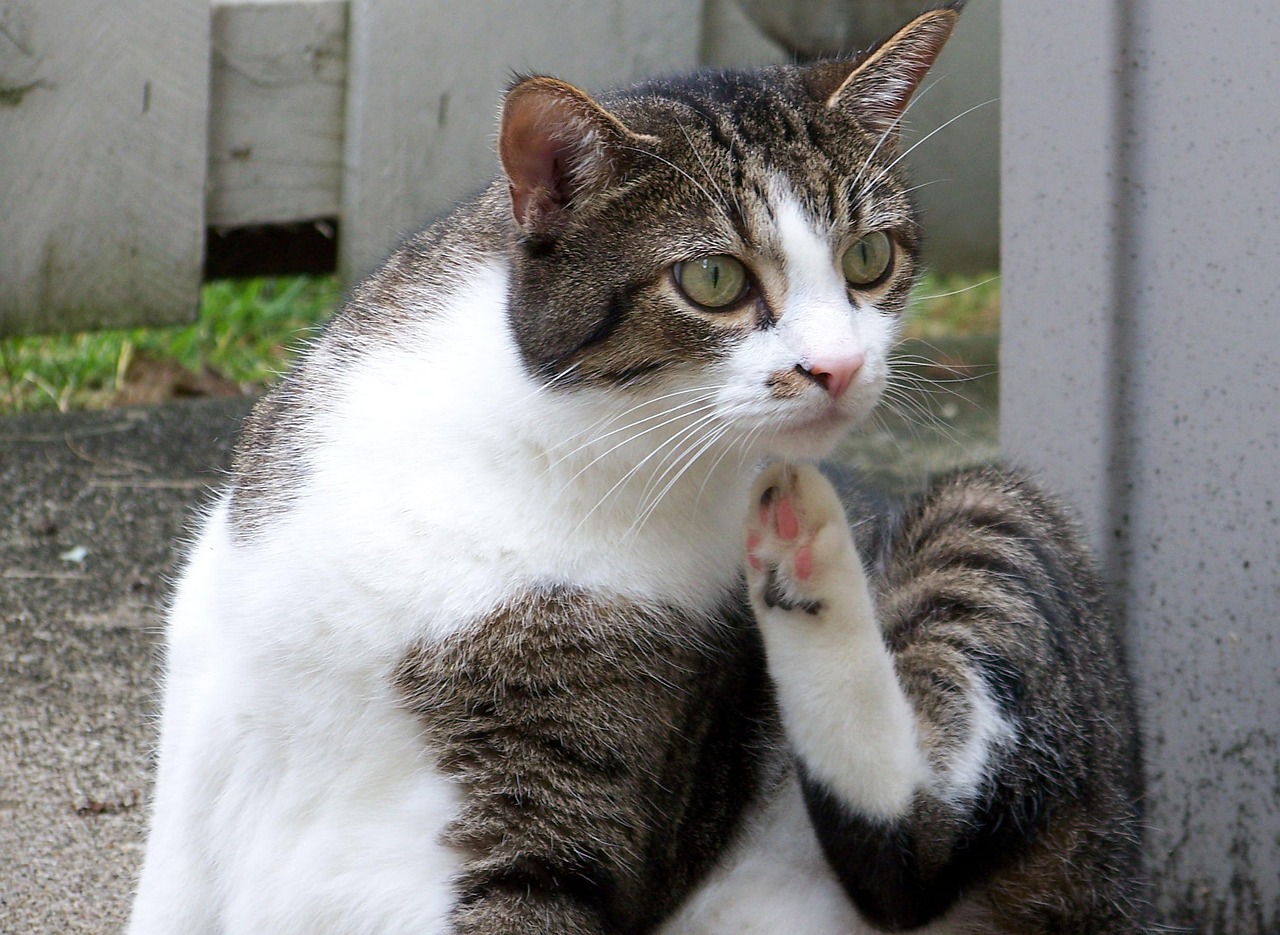

Cat Scratching: A Territorial Signal
Scratching is a natural behavior for cats that serves as a vital territorial signal. This action communicates various things to both other cats and their human companions. Felines possess scent glands in their paws that release pheromones while scratching, marking their territory. By scratching surfaces, cats assert ownership over areas they deem important within their environment. It’s fascinating to note that a cat’s scratches create visual marks too, enhancing the territorial message. If you observe your feline scratching regularly, it is likely a response to stress, boredom, or a way to keep their claws healthy. To ensure your cat’s needs are met, owners can provide designated scratching posts or pads to redirect this behavior positively. Understanding this feline instinct helps create a harmonious environment by preventing your furniture from suffering. Additionally, scratching helps cats maintain their claws, shedding dead outer layers. Owners must recognize that though scratching can be destructive, it is a natural part of their cat’s life. Providing the right outlets not only satisfies their instincts but also enriches their well-being. Properly addressing this behavior encourages a happy feline and a happy owner.
Generally, scratching serves multiple purposes: exercise, stress relief, and territory marking. When cats scratch, they engage muscles and keep their claws healthy. Scratching also provides a perfect way for them to relieve pent-up energy and stress, especially if they feel threatened. Cats might scratch more in situations of environmental change, such as moving to a new home or introducing a new pet. Understanding these behavioral nuances helps owners promote an enriching environment for their pets. Additionally, to assist in maintaining a positive atmosphere, owners should observe how their cat interacts with various surfaces. Cats may prefer certain materials over others, indicating their preferences for scratching. Providing different types of scratching surfaces can help meet these needs. Materials like carpet, cardboard, and sisal are popular among felines, each providing different sensory experiences. Some cats also enjoy vertical scratching posts, while others may prefer horizontal surfaces. Observing your cat’s scratching habits gives insight into their preferences. By offering an array of options, you can ensure your cat feels secure. This security prevents stress-related scratching incidents on your furniture or personal belongings.
The Importance of Providing Scratching Options
Understanding the essential role of scratching in a cat’s life means providing appropriate options. Scratching posts come in various designs to attract your cat. They should be stable, tall, and made from preferred materials to entice your cat. A well-chosen scratching post can greatly reduce the likelihood of your cat damaging furniture. Different shapes and styles of scratching posts fuel curiosity. Keep one near their favorite resting spots to encourage usage. It is crucial to select a location that allows them to practice this behavior without feeling threatened. Most importantly, consistency is key; if you notice your cat engaging with a particular post, reinforce this behavior with positive feedback. You can use treats or toys to engage and create positive associations with the post. Think about incorporating scratching options throughout your space. By doing this, you not only encourage appropriate scratching but also create an enriching environment where your cat feels secure. Owners should also take the time to explore designs that compliment home decor. This way, your cat’s needs are met while keeping your home aesthetically pleasing.
Additionally, it’s helpful to know that nurturing a cat’s scratching instinct fosters well-being. Unsurprisingly, a satisfied cat tends to exhibit less destructive behavior when scratching is appropriately managed. Many cats exhibit unique scratching patterns that hint at their territorial nature. Watch for signs that imply your cat is trying to assert its territory. Perhaps they scratch a specific spot more frequently, indicating it is crucial to them. This high-traffic area becomes marked territory, and noticing these behaviors can help deepen the bond between cat and owner. You can effortlessly maintain this bond by observing their habits. Engaging with your cat during scratching sessions — perhaps with a toy — can reinforce the behavior as a rewarding experience. When owners do not provide sufficient outlets, cats may feel anxious, leading to unwanted scratching of household items. Implementing behavioral strategies, like keeping a well-stocked assortment of scratching posts, will create a comfortable atmosphere for your feline friend. Always remember that a satisfied cat is a happy cat. The more their instincts satisfy their physical and mental needs, the less likely they’ll choose undesirable scratching targets.
Understanding Cat Behavior and Communication
Scratching is a key form of communication for cats, signaling their presence to others. By establishing territory, scratching acts as a form of self-affirmation for felines. It’s critical to observe how cats interact with their environment to grasp their communication tactics fully. Owners should not overlook a cat’s body language; tracking their movements can inform scratching behaviors. For instance, a cat may arch its back and sniff around before demonstrating a scratching action, indicating they are feeling secure and confident. This reinforces their sense of ownership. We should recognize that scents from their paws leave messages to other cats, which can either deter intruders or attract potential mates. Seeking solutions for scratching issues means acknowledging these behaviors’ deeper meanings. Owners can utilize pheromone diffusers or sprays to ease their cat’s anxiety. Additionally, monitoring a cat’s mood can help identify times they may feel insecure or overwhelmed. Recognizing these signs empowers owners to help their cats feel safe and understood. Increased understanding of cat communication ultimately leads to a better home environment for everyone involved.
Creating a harmonious living space for cats involves listening to their needs and the signs they exhibit. Scratching and territory marking are essential behaviors for ensuring your cat feels comfortable. Addressing these instincts is crucial for maintaining emotional stability and minimizing potential behavioral issues. Owners must cultivate an understanding of the range of factors affecting a cat’s mood and territoriality. Offering variety allows the cat to explore and engage without feeling cornered. They can experiment with different scratching surfaces. Identify which ones garner their attention the most, as these preferences can directly affect their contentment at home. If possible, place numerous scratching posts around the house. This encourages them to exert their natural scratching tendencies freely. Adapting to the desires of our feline companions will lead to mutual satisfaction. Observing and enhancing their environment will bring long-term happiness. Never forget; taking the time to understand cat psychology may reveal deeper insights into their unique personalities. Nurturing this bond can foster a shared atmosphere of security and trust where both humans and cats thrive harmoniously.
Conclusion
In conclusion, cat scratching is more than just a fleeting action; it’s a vital part of their behavioral repertoire and territorial signaling. To support their instinctual needs and maintain your home, focus on appropriate scratching solutions. Providing designated areas for your cat to scratch not only preserves your belongings but fosters well-being. The power of scratching extends beyond mere instinct; it encompasses the intricacy of feline territoriality and communication. Understanding your cat’s motivations can foster a lasting bond and promote harmonious cohabitation. You serve as the advocate for their needs by recognizing these signals. The right scratching posts, surfaces, and enrichment activities will help your feline thrive. Enhance the environment by offering variety, and ensure those scratching surfaces are accessible at every turn. Adequate scratching options contribute to a satisfied pet and a happier home. Observing their preferences and behaviors will enhance understanding. Addressing these needs will create a fulfilling environment. Ultimately, allowing your cat to express itself ensures a balanced relationship. A happy cat is a fulfilled companion, making every moment spent together more enjoyable.
Exploring cat scratching emphasizes its importance in the world of feline territoriality. An enriching environment contributes significantly to your cat’s happiness.