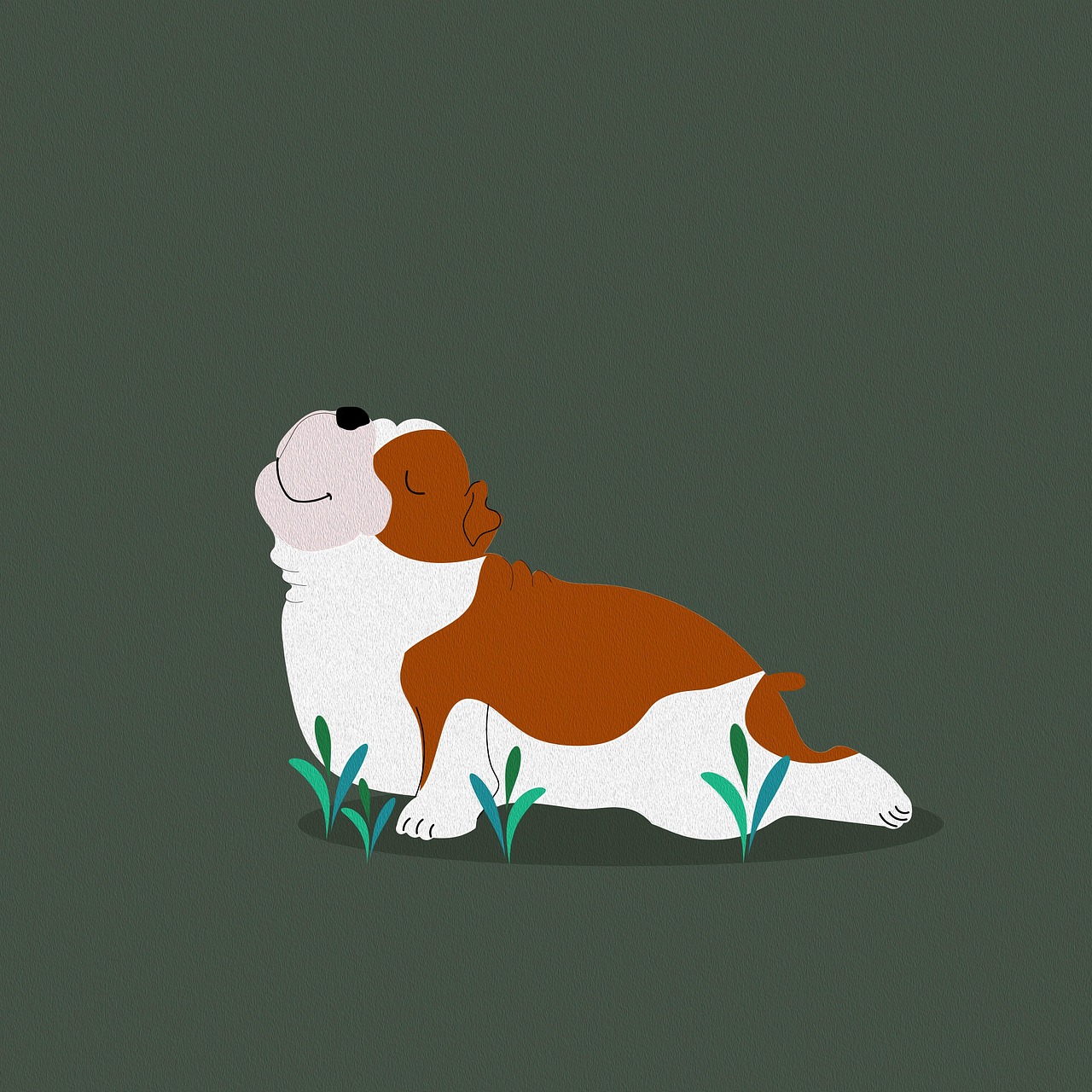

The Science Behind Stretching and Canine Wellbeing
Dog stretching is often overlooked yet plays a critical role in enhancing a dog’s overall wellbeing. Just like humans, dogs benefit significantly from stretching exercises. These activities promote flexibility and can help prevent injuries during vigorous physical activities. Engaging in stretching also aids in warming up the muscles, making them more pliable. This warming-up process is essential before any intense exercise routine and can greatly reduce the risk of strains or sprains. Moreover, stretching improves a dog’s range of motion, allowing for more dynamic movement. It is worth noting that stretching can be particularly beneficial for older dogs or those recovering from injuries. As dogs age, their muscles may become stiff, which may hinder their ability to move freely. Regular stretching can alleviate this stiffness, providing relief and promoting mobility. Additionally, stretching enhances blood flow, which is crucial for muscle recovery and overall health. A simple stretching routine can contribute to a happier, more active lifestyle for your dog, leading to better physical performance and mental health. Incorporating stretching into daily activities can transform your dog’s fitness regime.
When considering stretching for dogs, it’s paramount to understand the different types of stretches that are most effective. Dogs can benefit from both dynamic and static stretching. Dynamic stretching involves active movements that help prepare the muscles for activity. Examples include leg swings and walking lunges, which can improve overall agility. On the other hand, static stretching involves holding a stretch position for a certain duration, allowing the muscles to lengthen and relax. This is particularly useful after a workout, helping to cool down the muscles. Understanding how to implement these types effectively is crucial. Always observe your dog’s response during stretching sessions, as not all dogs will be comfortable with every stretch. Some poses may feel unnatural or even painful, so be gentle and responsive to their needs. Consult with a veterinarian if you’re unsure about what types of stretches to incorporate. Equally important is finding the right environment for stretching, ideally a calm and quiet space. This peaceful setting can make your dog feel more at ease, promoting a better stretching experience that yields maximum benefits for their physical health.
Benefits of Regular Stretching
Regular stretching sessions yield a multitude of benefits for dogs, extending beyond mere flexibility. One significant advantage is injury prevention. Dogs that regularly stretch are less likely to sustain injuries while playing or exercising. Improved flexibility translates to better joint function, allowing dogs to engage in more vigorous activities without as much risk. Another benefit is enhanced circulation. Stretching helps to stimulate blood flow throughout the body, delivering oxygen and nutrients effectively to the muscles. This improved circulation aids recovery after exercise and contributes to overall vitality. Stretching also plays a role in improving posture, which is essential for maintaining good physical health. Proper posture helps distribute weight evenly, preventing undue stress on specific areas of the body. Furthermore, stretching can alleviate stress and anxiety, providing mental stimulation and promoting relaxation. Dogs, particularly those with high energy levels, can experience calming effects from stretching. Ultimately, integrating stretching into your dog’s routine can significantly enhance their quality of life, making them happier and healthier companions. Consider transitioning your dog to a regular stretching routine to start reaping these incredible benefits as soon as possible.
It’s important to recognize the signs that indicate your dog may require more stretching in their daily life. Watch for behaviors like difficulty in rising after naps or reluctance to jump or run. These signs may indicate that your dog is experiencing stiffness or discomfort, suggesting that they could benefit from a regular stretching routine. Additionally, if your dog tends to be less active than usual, incorporating gentle stretching could encourage mobility and playfulness. Likewise, post-exercise behavior is another key indicator; if your dog shows signs of limping or favoring a limb after physical activity, stretching may help alleviate that issue. Always pay attention to the way your dog moves; if you notice stiffness or hesitance in movement, implement a stretching routine. Socializing with other pet owners or consulting with a veterinarian can provide insights into common stretching practices and help develop personalized exercises. Remember that observing your dog closely is crucial for understanding their unique body language and needs. By being proactive, you can offer your dog the chance to lead a fuller and more active life.
Incorporating Stretching into Daily Routines
Incorporating stretching into your dog’s daily routine can be an enjoyable bonding experience for both of you. Start by setting aside a few minutes each day dedicated specifically to stretching exercises. A relaxed and warm atmosphere promotes comfort and cooperation during stretching sessions. Begin with simple stretches, gradually introducing more complex movements as your dog becomes accustomed to the routine. An excellent way to engage your dog is to use treats or toys as motivation while performing the stretches. For example, you can encourage your dog to reach for a treat to achieve a stretch. Keeping stretching sessions short, about 5 to 10 minutes, will help maintain your dog’s interest and prevent fatigue. Consistency is key, so aim for stretching at the same time each day to develop a habitual practice. It’s crucial to monitor your dog’s responses, adjusting the stretching routine based on their comfort level and flexibility. Involving the family during these stretching moments can also enhance bonding within your household. Overall, the ultimate goal is to make stretching a fun and fulfilling part of your dog’s daily life, resulting in a healthier and happier pet.
Understanding how to properly perform stretches with your dog is essential for safety and efficacy. Always warm your dog up before starting a stretching session; light activities like walking can help prepare the muscles. Avoid forcing any stretch, and instead allow your dog to ease into each movement naturally. Common dog stretches include the downward dog and the cat stretch, which can be guided by encouraging your dog to stretch themselves. However, take care to observe your dog’s comfort and never push beyond their natural range of motion. Different breeds may have different flexibility levels, so tailor the stretches to your dog’s physical characteristics. Additionally, it’s essential to avoid any stretches that could cause pain or stress; discomfort signals should always be taken seriously. Educating yourself about canine anatomy can further enhance your understanding of effective stretching techniques. Resources such as dog training classes or dedicated canine fitness guides can also equip you with valuable knowledge. Always prioritize your dog’s health and happiness, integrating expert guidance as necessary to maximize stretching benefits for optimal wellbeing.
Conclusion: Elevating Canine Health Through Stretching
In conclusion, stretching holds numerous benefits that can elevate your dog’s health and enrich their quality of life. Addressing flexibility, mobility, and overall wellbeing, a consistent stretching practice makes a tangible difference in their daily function. Through stretching, an opportunity arises to bolster the bond between you and your furry companion while promoting healthy physical activity. It is advisable to remember that stretching is not a one-size-fits-all solution; every dog has unique needs and capabilities. Monitoring your dog’s reactions and comfort levels will help tailor the routine effectively, ensuring they feel encouraged throughout each session. As you embark on this journey of incorporating stretching into your dog’s routine, remember to celebrate the small achievements. Show cased benefits like improved mood or increased activity levels will encourage you and your dog to continue this practice. Share your experiences with fellow dog owners as this can lead to mutual growth and learning. Embracing stretching as a regular activity will drastically enhance not only your dog’s physical health but also their mental well-being, ultimately leading to a more joyful and enriched life together.
When it comes to dog exercise, stretching is essential, covering both physical and mental aspects of their health. Many pet owners may not realize that such simple acts can lead to profound changes in their furry companions. By making stretching a routine part of your dog’s exercise regimen, you’re paving the way for them to lead a happier and more fulfilling life. Dogs thrive on interaction and exercise, and integrating stretching provides them with both. You are actively encouraging their physical health while also establishing a time to connect and communicate with your dog. Additionally, having a strong basis in stretching can help pet owners learn more about canine health. There’s a remarkable connection between physical activity and mental stimulation in dogs. This intertwine suggests that canine fitness is not just about running or playing fetch; stretching also plays a crucial role in a well-rounded exercise plan. So embrace the practice of stretching with your dog, knowing its countless advantages. As you do, you’ll create a healthier, happier dog who loves their activities just as much as they love you!