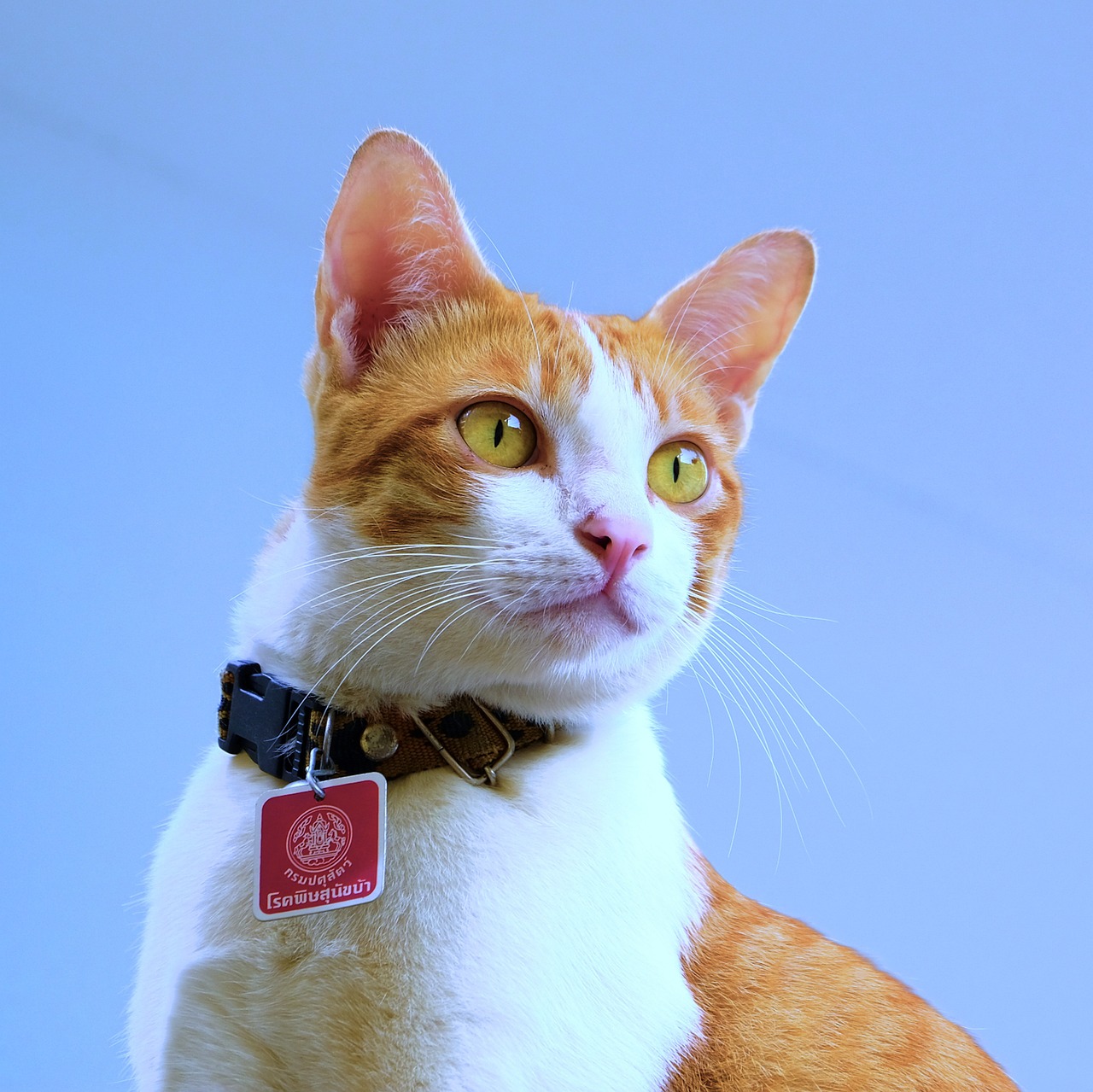

Cat Collar Bells as a Hunting Deterrent: Does It Work?
When pet owners consider cat collar bells as a means of deterring hunting behavior, they often wonder how effective these small devices can truly be. Cat collar bells are designed to make noise as a cat moves, alerting potential prey to their presence. This noise may give smaller animals a chance to escape, thereby reducing a cat’s hunting success rate. However, the effectiveness of these bells can vary significantly depending on several factors, including the cat’s hunting style and the environment they inhabit. For instance, cats that prefer stalking their prey might find ways to minimize the sound made by the bells, undermining the intended purpose. Furthermore, some studies suggest that while bells may reduce hunting effectiveness, they do not completely eliminate a cat’s natural instinct to hunt. An essential consideration for owners is the balance between protecting wildlife and allowing their cats to engage in natural behaviors. Therefore, it is vital for pet owners to understand the scientific basis behind cat collar bells and their implications for feline hunters in the wild.
In addition to the noise aspect, it is important to evaluate whether the bells are comfortable for cats to wear. Some cats may be sensitive to the noise or the physical sensation of wearing a collar with a bell. Ensuring that the collar is of the right size and material is crucial for the cat’s comfort and safety. If the collar is too tight, it can cause irritation or even injury. On the other hand, a loose collar may slip off or pose a choking hazard. It’s advisable to choose collars designed with safety features like a breakaway clip. This type of collar ensures that if a cat gets caught on something, the collar will release, preventing potential harm. Additionally, pet owners should observe their cats’ behavior when first introducing the collar with a bell. Monitor how they adjust to this new accessory and consider using gradual desensitization techniques to help them become accustomed to wearing it. This way, the process of wearing a collar can be less stressful for the cat, leading to a more effective deterrent.
The Impact on Local Wildlife
Understanding the potential impact of cat collar bells on local wildlife is essential for responsible pet ownership. Domestic cats are known to be significant predators, and their hunting activities can pose serious threats to various bird and small mammal species. According to research, free-roaming cats kill billions of birds, small mammals, and reptiles each year in various locations worldwide. By wearing bells, the chances of catching these small creatures may decrease, providing some level of protection. However, the impact may not be uniform across different cat species and environments. Some cats may quickly adapt to the sound and learn how to hunt despite its presence. Moreover, the effectiveness of collar bells is debated, with opposing views suggesting that bells may not significantly reduce hunting behavior. Therefore, it is essential for cat owners to be aware of their pets’ hunting habits and local wildlife populations. Engaging in responsible practices, including keeping cats indoors or in enclosed outdoor spaces, can be a more effective strategy in preserving the ecological balance while still allowing cats to enjoy outdoor time safely.
In addition to collars, there are alternative methods for reducing hunting behavior in outdoor cats that are worth exploring. Some pet owners choose to provide their cats with indoor enrichment activities to stimulate their natural instincts without posing a threat to wildlife. Indoor playtime with interactive toys, scratching posts, and climbing structures can provide ample opportunities for mental and physical stimulation. Cat owners can focus on using feather wands, laser pointers, or puzzle feeders that challenge their cats in a safe and engaging manner. By redirecting the feline’s predatory instincts towards these interactive toys, owners can create fulfilling play sessions. Another alternative is to adopt leash training for outdoor exploration, allowing supervised outings while keeping the cat safe from hunting opportunities. While collar bells may serve as one tool, it is essential to consider a combination of methods to fulfill a cat’s instinctual needs while protecting local wildlife from unnecessary predation. Thus, understanding the broader implications of our pets’ behaviors becomes crucial in fostering a responsible pet-owning environment.
Alternatives to Traditional Collars
For those concerned about the hunting impacts of traditional collar bells, there are innovative alternatives that can effectively balance both the cat’s safety and wildlife preservation. Some companies have developed collars with electronic deterrents that emit a sound when a cat moves quickly, simulating the natural sound of a bell. These collars are designed to alert potential prey while reducing the chances of excessive noise that can also annoy or irritate the cat. Moreover, these technological advancements allow owners to monitor their cat’s activity levels via mobile applications, providing further insights into their behavior and hunting patterns. Regular data tracking may empower owners to make informed adjustments to their pet’s environment and playtime habits. Additionally, using brightly colored collars or harnesses can help improve visibility, allowing birds and small mammals to spot a cat sooner. Integrating reflective materials in collars can also enhance safety during low-visibility conditions, like dusk or dawn. Exploring these innovative alternatives is an exciting step forward in responsible pet ownership while ensuring felines can enjoy the outdoors responsibly.
Furthermore, testing the effectiveness of cat collar bells in real-life situations can be a valuable experience for curious pet owners. Cat owners are encouraged to undertake their own observational studies to monitor how often their cats successfully hunt with and without bells. Such informal research could involve comparing hunting success rates during various times of the year or different settings, including urban versus rural environments. By keeping a detailed log of prey or successful hunts, owners can gain personal insights into their cat’s hunting behaviors and preferences. Engaging in community discussions among fellow cat owners can also shed light on different experiences and outcomes when using collar bells. Sharing stories and findings can not only educate but also comfort those who may worry about the environmental implications of outdoor cats. These collaborative observations can contribute to a greater understanding of how to help cats thrive while minimizing their impact on local wildlife conservation. This cooperative approach builds a sense of community and shared responsibility for both pet and environmental welfare.
Conclusion: Making Informed Choices
Ultimately, the decision to use cat collar bells as a hunting deterrent involves weighing the pros and cons while considering the specific needs of both the cat and the surrounding environment. Owners must recognize that while bells can serve to alert prey, they are not a foolproof solution for entirely preventing hunting. As cats have their own instincts, which are deeply rooted, simply adding a bell may not always change their behavior significantly. It becomes essential for cat owners to adopt a holistic approach that integrates strategies for fulfilling their cats’ needs for stimulation and engagement without harming wildlife. Opting for combinations of safe collars, indoor enrichment, outdoor supervision, and responsible containment can create a balanced lifestyle that benefits both domestic cats and the wildlife around them. With the right knowledge, techniques, and community awareness, we can foster a responsible pet ownership culture that prioritizes the safety and wellbeing of our pets and local ecosystems alike. In doing so, we can promote harmony between our beloved feline companions and the environment.
As discussions around cat ownership and its environmental impact continue, it is crucial to remain open to new information and methods that can improve the welfare of our pets and local wildlife. By adopting responsible practices regarding outdoor cats, we can make informed choices that consider the broader ecological implications. Engaging with professional veterinarians and animal behaviorists can provide guidance on suitable collars, alternatives to traditional bells, and overall pet care strategies. This collaboration helps ensure our approach aligns with the latest research and best practices for caring for our feline friends. Ultimately, our cats can thrive while also reducing their impacts on the ecosystem. Alongside this, fostering conversations among fellow cat owners and exchanging ideas can strengthen our commitment to responsible ownership. It is through this learning process that we can create safer environments for both domestic pets and wildlife, as well as enrich the lives of our cats in responsible ways. Together, let’s explore and share innovative ideas that contribute positively to the community and environment. The journey of ensuring a balance between our pets’ freedom and nature’s delicate balance requires continuous dialogue and thoughtful actions.