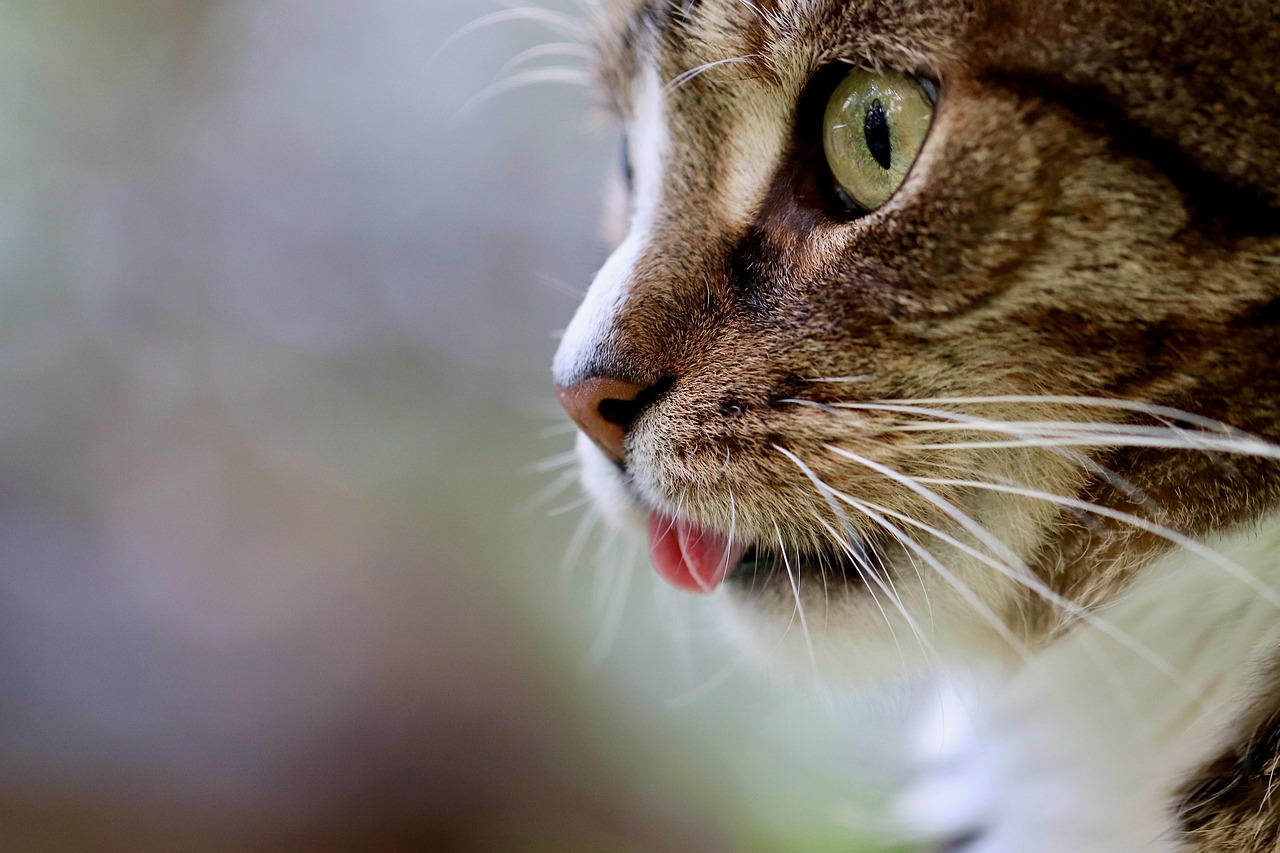

How to Handle Cat Emergencies While on the Road
Traveling with your cat can be a joy, but it does require careful preparation for unexpected situations. Emergencies may happen, and knowing what to do can make all the difference in ensuring your feline friend’s well-being. Ideally, you should keep emergency supplies handy, including a first-aid kit designed for pets. This kit should include basic items like antiseptic wipes, gauze, adhesive tape, and any necessary medications your cat may require. Also, be prepared for the possibility of your cat experiencing anxiety during travel; consider having calming sprays or treats. Moreover, familiarize yourself with the symptoms of common feline emergencies such as poisoning or extreme stress. Staying calm during an incident can help your cat feel more secure as well. It might also be helpful to know your route and research veterinary services along the way in case of accidents. Before starting your journey, ensure your cat is secure in a properly sized carrier, as this can prevent most travel-related stress. In addition, stopping frequently allows your pet to stretch and hydrate. Remember, a smooth trip depends on thorough preparation and awareness.
Another important aspect to consider is your unique cat’s personality and potential needs during travel. Some cats thrive in new environments, while others might feel severe stress. To help your cat remain relaxed, bring familiar items like their favorite blanket or toys. This will create a sense of comfort and security during your travels. Additionally, using a pheromone spray in the carrier can aid in reducing anxiety levels. Make sure you have enough food and water packed, along with a portable bowl. Never feed your cat right before your trip to avoid nausea; aim for at least a few hours before departure. If you’re traveling long distances, schedule regular breaks to allow your cat an opportunity to stretch their legs or use a litter box. Using a sturdy and well-ventilated carrier is essential not only for safety but accessibility to your pets. If your cat does get sick, avoid giving them any human medicines without consulting a veterinarian first. Preparing well by considering your cat’s needs can make the journey smoother and more enjoyable for both of you.
Identifying Signs of Distress
During your journey, it’s crucial to be vigilant about any changes in your cat’s behavior. Signs of distress may include excessive vocalization, hiding, or unwanted scratching. If you notice your cat displaying these behaviors, take a moment to calm them down. Speak softly to reassure them, and consider slowing down or stopping at a safe location to check their condition. It can be helpful to assess their physical state, looking for nausea, excessive drooling, or discomfort. These signs may indicate they are experiencing a stressful situation or even a health crisis. Should the situation seem concerning, contact a vet who can guide you through the steps to ensure your pet’s safety. If your cat has a significant medical condition or is on medication, maintain a checklist and ensure all scheduled doses remain on track. It’s helpful to get familiar with basic first aid for cats in advance, which could include a few techniques to stabilize your pet in emergency situations. Remember, your care and calmness can go a long way in reassuring your cat during these challenging moments.
In addition to monitoring your cat’s health, keep an emergency contact # handy during travel. If your cat gets lost or has a medical emergency, being prepared can make the experience less stressful. As an additional precaution, consider having your cat microchipped before traveling. This process can make it easier to locate your pet in case they become lost during rest stops or at destinations. Make sure to also have updated identification on your cat’s collar; adjusting the contact details can greatly increase the chances of a speedy reunion. Along with identification, recording your cat’s health concerns and dietary needs may be beneficial in case of veterinary visits. Bring this information in a folder for easy access. In addition, consider carrying reliable calming methods like herbal remedies or soothing music, as these can create a serene environment for your pet. Start adapting your travel routine to test what works best for your cat—it may involve various adjustments before finding a comfort level they enjoy. Your understanding of their behavior can lead to safer and more pleasant journeys.
Preparing for the Unexpected
Even with the best planning, situations may arise that catch you off guard. Be prepared for sudden accidents or injuries, especially during travel. If your cat gets injured, it can be beneficial to have a first-aid guide handy in your vehicle. This step-by-step guide can relieve panic in case of emergencies. If necessary, learning how to apply simple bandages or conduct CPR can help stabilize your pet until you reach a veterinary clinic. Stay calm, avoid panicking, and remember to address your cat’s immediate needs. When your journey resumes, try not to let the bad experiences discourage future trips. Keep logs of what worked well and what didn’t during your travels, and gradually update your packing lists. Along with this, consider keeping a veterinary contact list in your smartphone, detailing nearby facilities on your route. Gratitude for little moments when they succeed can turn your journeys into great adventures. Traveling safely with your cat is achievable with proper planning, vigilance, and preparedness for all possible scenarios that might unfold on the road.
Lastly, returning home safely from the adventure is just as important as hitting the road. Upon arriving back home, create a welcoming and safe space for your cat to relax in after the trip. Allow them to explore the spaces at their own pace and ensure they have access to food, water, and their litter box. An unfamiliar environment might need reassessment after traveling, so watch for any signs of post-travel anxiety. Offer your cat their favorite toys and treats to create positive associations with being home again. Reestablishing routine for meals and playtime can also help them adjust smoothly back into their familiar surroundings. Additionally, schedule a follow-up vet appointment if your cat seemed unwell during the trip or if they require vaccination updates after traveling. Ultimately, the goal is to maintain a healthy and happy atmosphere for your kitty. Remember, frequent travel can foster a strong bond between you and your feline friend, provided you prepare thoroughly. As you gain experience from each excursion, every trip can be an opportunity for growth and immense joy.
In conclusion, handling cat emergencies while on the road requires a mix of preparation, vigilance, and adaptability. Ensuring you have supplies like a first-aid kit, food, and calming aids can significantly improve the outcome in case any unexpected incidents arise. Besides, tuning into behavioral cues will help you identify issues early on, allowing for swift action. Communication with veterinarians ahead of your trip can also increase your confidence should any problems occur during travels. Always consider your cat’s personality and needs to tailor your plan for maximum comfort. Lastly, creating reassuring post-travel experiences helps your pet readjust to the home environment while ensuring smooth transitions in the future. Embrace every trip as an opportunity to strengthen your bond, learn, and grow together, celebrating the little moments of joy your journeys bring. Taking the time to prepare and stay calm can ensure your adventures alongside your precious cat are fulfilling. Properly planning every journey can turn potential emergencies into manageable situations, fostering trust and resilience in your relationship with your faithful feline companion. Safe travels to you and your cat!