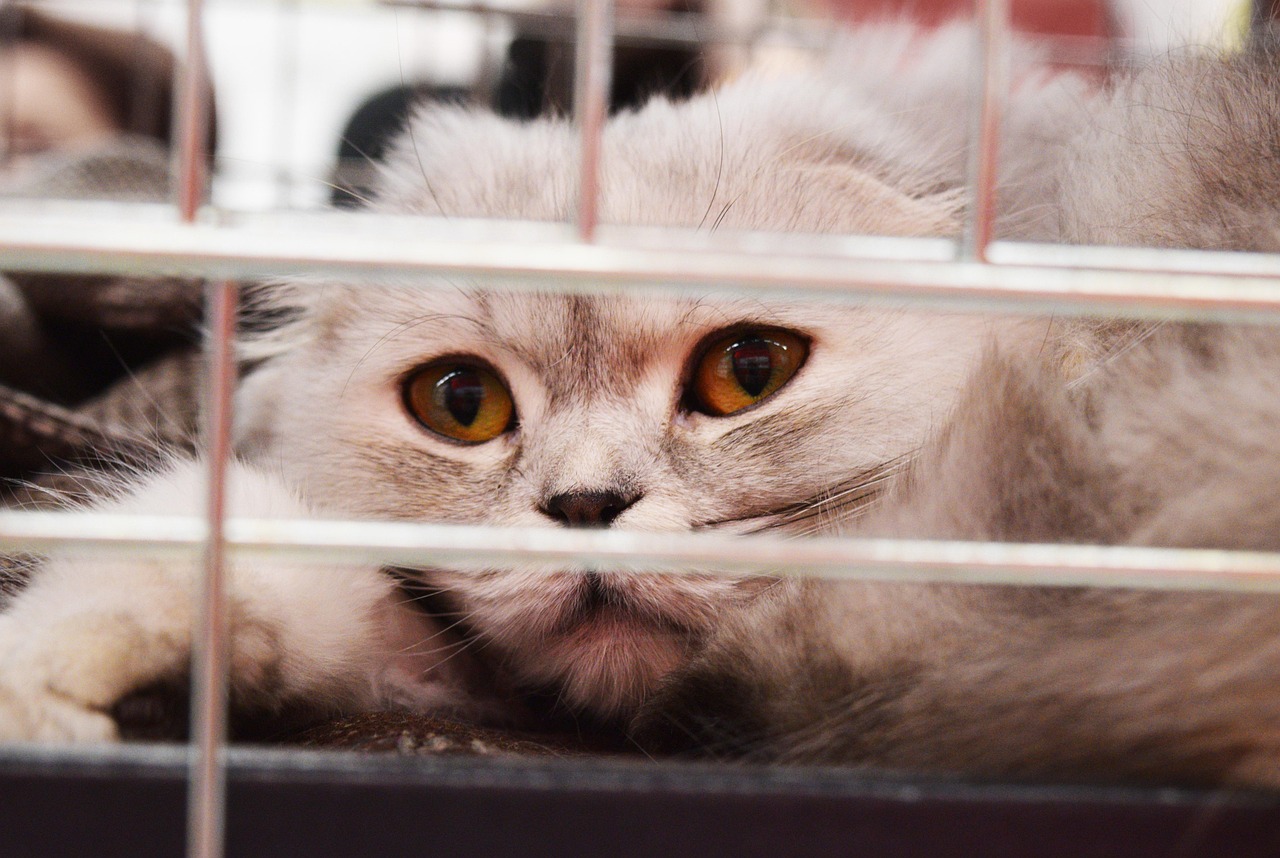

The Impact of Environment on Cat Behavior and Adoption Success
Understanding how environment influences cat behavior is crucial, especially for those adopting cats with behavioral issues. Cats are creatures of habit, and their surroundings significantly impact their emotional health. The atmosphere within a home can either soothe a nervous cat or exacerbate behavioral problems. Potential adopters should provide a safe space enriched with hiding spots and vertical spaces such as perches. This setup can drastically improve a cat’s comfort level, assisting with any existing behavioral issues. Furthermore, minimizing loud noises and sudden movements in the environment can create a more tranquil atmosphere. Positive cat interaction should also be promoted through gradual, gentle socialization techniques. Resources such as behaviorists or local shelters may provide additional tips on creating a welcoming environment. Carving out a quiet area with various enrichment activities can facilitate this process. Ultimately, fostering a nurturing environment plays a vast role in the successful adjustment of cats into new homes and enhances their chances of acceptance by prospective adopters.
Common behavioral issues in cats often arise from their previous experiences, particularly if coming from a chaotic environment. When adopting cats, it is essential to recognize these underlying causes rooted in their backgrounds. Behavioral problems such as aggression, fear, or anxiety can often relate to how they were treated in their prior homes. As such, preparing the new home to counter these issues is vital. Adopters need to be patient and understanding, providing time for the cat to acclimate to their new surroundings. Understanding behavioral triggers can improve the chances of success in adoption significantly. Providing behavioral enrichment, like puzzle toys or interactive play, encourages positive behaviors. Socialization also helps, as safely introducing them to family members and other pets can enhance their confidence. Positive reinforcement, such as treats and praise, can encourage desired behaviors while diminishing unwanted habits. Resources, such as literature on feline behavior and training, can be invaluable tools for new owners facing challenges. By equipping themselves adequately, adopters can help create an environment conducive to positive behavioral changes.
Environmental Adjustments for Behavioral Improvement
Adjusting the home environment to support cats with behavioral issues is essential for their well-being and adoption success. Essential factors include considering their physical space, placement of litter boxes, feeding areas, and play zones. Ensuring that the litter box is in a quiet yet accessible location reduces stress for the cat, promoting better habits. Moreover, offering multiple food and water stations can alleviate competitive behavior and encourage independence. Creating separate zones for play, rest, and exploration lets the cat choose where it feels most comfortable. A cat tree or shelves might promote vertical space for climbing and observation, satisfying natural instincts. Utilizing pheromone diffusers can also provide calming scents to help ease anxiety. The addition of cozy hides, blankets, and stimulating toys contributes to a peaceful and exciting environment, allowing for positive exploration. With these adjustments, adopters can minimize behavioral challenges while providing the cat with enriching experiences. Additionally, regularly reassessing the cat’s environment based on their behavior and preferences ensures continued support for their mental and emotional well-being.
Understanding cat body language when adjusting their environments can lead to successful adaptations, ultimately aiding in the adoption process. Cats often communicate through body language the feelings they might not express vocally. A cat that feels threatened may flatten its ears, hiss, or arch its back, signaling discomfort. Conversely, understanding when a cat is relaxed can encourage a calm atmosphere. Signs like slow blinking, purring, or kneading suggest comfort and happiness. Specifically observing these signs during initial introductions and interactions helps to create a positive environment. Regular routines also enhance feelings of safety, promoting comfort in newfound spaces. Offering interactive toys and engaging playtime can help shift focus from anxiety to enjoyment. It is essential to remain patient and allow the cat ample time to adjust, offering positive reinforcement to things they seem to enjoy. The gradual integration of any changes helps solidify a sense of stability. Adopters should keep a journal to track behavioral changes, enabling them to adapt their strategies effectively. Addressing these aspects enhances the chances of a successful and harmonious adoption experience.
Creating a Support Network
Building a robust support network for adopting cats with behavioral issues can dramatically enhance the experience. Connecting with reputable animal behaviorists, counselors, or local shelters provides valuable resources and insight into specific behavioral challenges. These organizations often offer workshops or informational sessions on managing cat behavior, pinpointing environmental triggers that affect cats adversely. Additionally, local support groups or online forums can be significant for exchanging advice and experiences. Networking with fellow adopters fosters a community understanding, enabling mutual support and sharing successful strategies. Furthermore, establishing open communication with veterinarians might lead to potential health-related issues affecting behavior, warranting a comprehensive approach. Local pet supply stores may also offer workshops focused on creating healthy environments for pets. If possible, consider enrolling in training classes to provide a solid foundation for handling behavior issues effectively. A committed support network becomes a lifeline during challenging times, ensuring adopters do not feel alone. Ultimately, increasing education around feline behavior enhances the likelihood of successful adoption and lifelong companionship for cats with behavioral challenges.
Encouraging cooperation from all household members creates an environment that positively affects cat behavior and bolsters adoption outcomes. Every person in the home should understand the cat’s background and how to engage appropriately. Consistent rules about interaction and play can help minimize confusion for the cat. Educating everyone on desired behaviors reinforces the stability required during the cat’s adjustment period. Role-playing scenarios can be effective to teach how to approach fearful cats gently or how to manage aggressive responses. Equally important is fostering empathy towards the cat’s struggles; creating an understanding home environment can transform behavioral challenges into opportunities for bonding. Encourage shared tasks such as feeding, grooming, and playing to strengthen relationships, which can lead to more positive interactions. Communicating openly with family members about the cat’s needs reinforces the idea that a collaborative environment is essential for the cats’ well-being. Additionally, maintaining a schedule for feeding, playtime, and quiet reflection periods further solidifies the house as a safe haven. Everyone in the household should contribute towards the goal of helping the cat acclimate, ensuring a successful adoption experience.
Conclusion: The Path to Successful Adoption
Adopting cats that face behavioral issues entails a commitment to understanding and adapting their environments. The correlation between a cat’s surroundings and its behavior cannot be understated. A nurturing home plays a pivotal role in supporting their emotional and psychological needs. By addressing environmental factors, modifying routines, and establishing a comprehensive support system, potential adopters can greatly increase the chances of successful adjustments. Patience and understanding must be at the core of this process, ensuring time is allotted for transition. Plus, understanding behavioral cues can help caregivers provide the right stimuli that aid in reducing anxiety and enhancing comfort levels. Ultimately, the journey towards adoption success involves active engagement with the cat, nurturing a bond based on trust and positive experiences. By prioritizing these actions, adopting families can foster an environment where they and their feline companions can thrive together. Success stories are often born from dedicated efforts, reinforcing the notion that every cat deserves a loving home despite past challenges. With the proper strategies and commitment, adopting cats with behavioral issues can lead to lasting, positive relationships.
Additional resources such as adoption agencies, training programs, and literature about cat behavior can assist in this journey. Engaging with these resources can empower adopters to make informed decisions and develop effective strategies tailored to their unique situations. Learning about potential behavioral issues and establishing a proactive approach can pave the way for smoother transitions. As adopters become aware of the impact that home environments have on feline behavior, they will be better equipped to implement changes conducive to a successful adoption experience. Embracing the joys of being a cat owner is achievable when effort is placed in understanding behavioral issues while creating an enriching environment. Knowledge empowers potential adopters to take informed steps towards a fulfilling feline partnership, resulting in mutual joy and companionship. Cats are remarkable animals that can bring love and happiness into any household. By focusing on their environment and behavioral needs, adopters can facilitate smoother transitions and help them adjust positively. In further researching and embracing a supportive network, the emotional and psychological health of cats can greatly improve, leading to rewarding relationships.