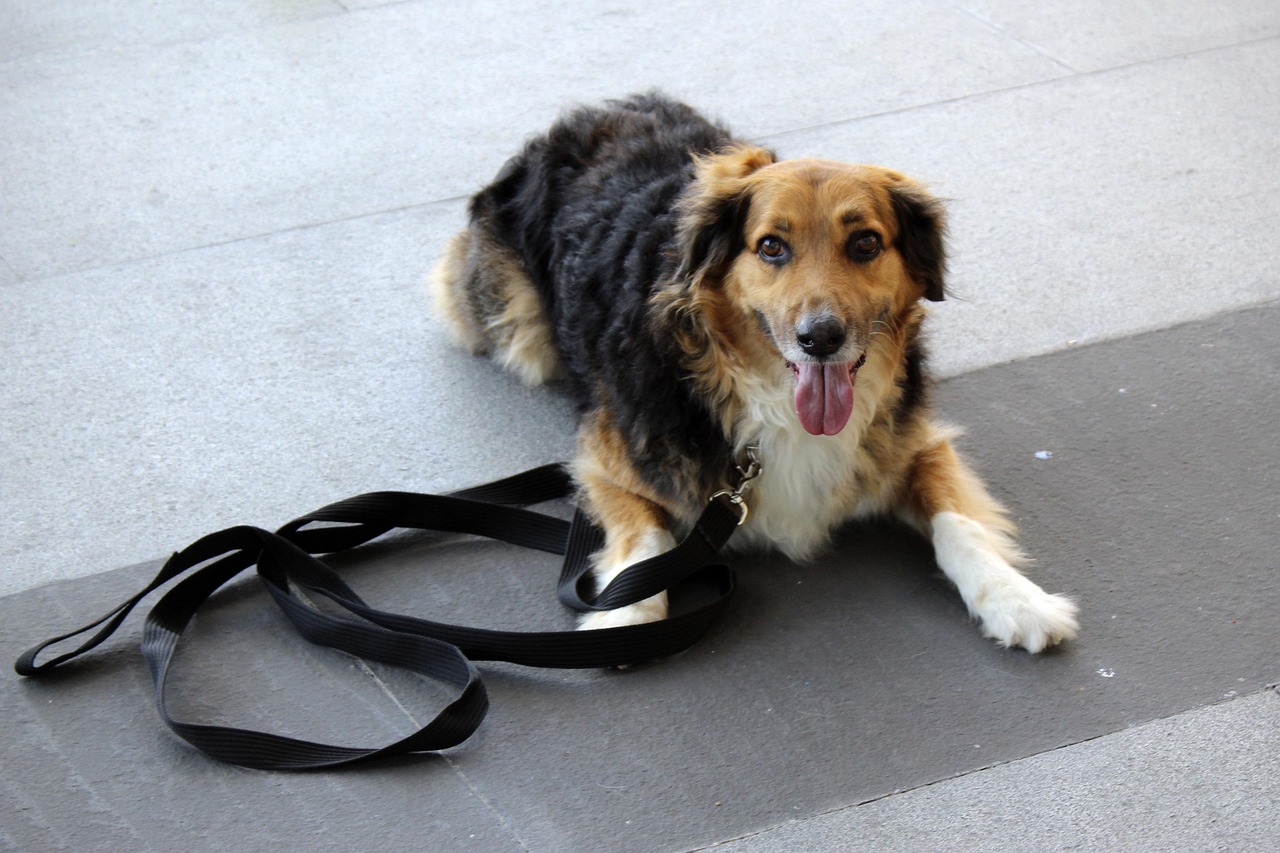

Using Clicker Training to Improve Leash Behavior
Clicker training is a highly effective method for reinforcing good leash behavior in dogs. It is based on positive reinforcement, which focuses on rewarding desirable behaviors. The use of a clicker provides a consistent and clear sound that marks the exact moment your dog displays the desired behavior. To employ this method, ensure you have a clicker and some treat rewards available. Begin your training sessions in a quiet area without distractions to help your dog learn. Once your dog is wearing the leash, click and treat whenever they walk beside you without pulling. This encourages them to associate walking calmly with positive reinforcement. Over time, your dog will learn that good leash behavior results in rewards. Patience and consistency are essential; training sessions should be short but frequent. Ideally, practice for about 5 to 10 minutes a few times daily. Gradually introduce distractions as your dog improves. Whether it’s another dog or a person, these distractions will help them apply their good leash behavior in real-world situations. With dedication and effort, you can transform your walks into enjoyable experiences for both you and your furry companion.
Applying clicker training effectively can sometimes be challenging. It’s crucial to train at your dog’s pace, allowing them to grasp each concept before moving on. As you start to introduce new elements, such as longer walks or varied environments, ensure that you continue to reward your dog promptly. This helps to reinforce their learning and encourages them not to revert to unwanted behaviors. When first starting clicker training for leash behavior, it can be helpful to select an area with minimal distractions, such as a quiet street or yard. Maintain a positive tone during the training sessions, and avoid showing frustration if your dog does not grasp the concept immediately. Some dogs may require more time to adapt to this technique. Remember to be proactive in your approach—consider adjusting the training length or the timing of your rewards if necessary. With persistence, you will notice improvements in your dog’s ability to walk calmly on a leash, fostering a stronger bond between you and your pet. Ultimately, leading with compassion and understanding will yield the best results in your dog’s leash training journey.
An important aspect of clicker training is clear communication. The clicker serves as a bridge between you and your dog, indicating exactly what behavior you are rewarding. Be mindful of how you issue treats; they should be given immediately after the click. This reinforces the connection between the two actions. To avoid confusion, pair the clicker sound with verbal praise, like saying “good dog” in an enthusiastic tone. This will help your dog learn that their behavior is appreciated. During your training, ensure you maintain consistency, both in your commands and your expectations. Using the same cues, such as ‘heel’ for walking calmly, will establish a clear understanding for your dog. Frequent, short sessions are often more productive than long, drawn-out ones. It’s crucial that your dog associates the clicker sound with positive experiences. If training becomes rigorous, you might want to take a break and let your dog relax. Training should ultimately be a fun and rewarding experience for both of you. A calm, happy dog is more receptive to learning, making collaboration enjoyable and beneficial in the long run.
Establishing a Consistent Training Routine
Creating a consistent training routine is essential for effective leash training. Dogs thrive on predictable schedules, which help them know what to expect. Plan specific times throughout the week for training sessions, so your dog anticipates these practice sessions. Consider integrating training into your daily walks as well; this approach maintains their interest while allowing you to reinforce good behaviors. Always begin each session by refreshing your dog’s memory on previously learned commands. Make sure you have a dedicated space that is comfortable and free of distractions for your training. Maintaining a calm environment will help your dog focus better during these sessions. If possible, let them explore first before leashing them to help alleviate any excitement or anxiety. Once they’ve settled down, begin your training regime. Progress can often be tracked to evaluate your dog’s improvement. Keeping notes can be helpful to remind you of what commands work best and highlight notable accomplishments. By being consistent and organized, progress in leash behavior will come more swiftly while enhancing the bond you share with your pet.
Another important factor in leash training is understanding your dog’s energy levels and personality. Some dogs are more energetic and easily distracted, while others may be calmer and focused. Adjust your training session based on their behavior, ensuring that you are keeping them engaged and interested. For more energetic dogs, engaging in short bursts of training intermingled with play can be effective. Use their enthusiasm to your advantage by incorporating fun activities into the clicker training sessions. On the contrary, calmer breeds may benefit from longer yet less intense training sessions in a serene environment. Always ensure that your training remains enjoyable for your dog. If they seem overwhelmed or frustrated, take a break and let them unwind. You want them to associate the clicker and the leash with positive experiences, reinforcing their learning. This method helps to keep your dog focused and engaged. Furthermore, remember to celebrate small victories, no matter how insignificant they may seem. Every little milestone can motivate both you and your dog ahead in the training process, ensuring that leash behavior improves and becomes a seamless part of your outings together.
Building Confidence through Positive Reinforcement
Building your dog’s confidence is key to successful leash training. A confident dog is more likely to respond positively to commands and adapt to various environments. Clicker training promotes this by establishing a clear understanding of expected behaviors. As dogs receive rewards for desired behaviors, they begin to feel more secure in their ability to please you. Start your sessions in familiar and low-stress environments, gradually introducing new and challenging situations as they progress. This will help them learn to navigate their surroundings while remaining calm on a leash. For example, consider visiting local parks at quiet times to practice walking with distractions nearby. Be sure to commend your dog for staying focused on you amidst the chaos. Over time, their experiences in different environments will contribute to their overall confidence. Plus, pairing challenging situations with clicks and treats reinforces that they can succeed, regardless of the circumstances around them. As their confidence grows, leash behavior will likely improve, making outdoor experiences enjoyable for you both. Celebrate each achievement, building on their success and helping your dog become the best walking companion possible!
In summary, clicker training offers a positive and effective way to improve your dog’s leash behavior. By focusing on clear communication, consistency, and rewards, you can foster a strong connection with your pet. Before beginning any session, ensure you are adequately prepared with your clicker and treats. Establish a solid foundation by encouraging foundational commands when your dog is relaxed. As your dog progresses, gradually increase the complexity of the tasks you introduce. Remember that patience is crucial; some dogs may take longer to adapt to this training style. Finally, continue to involve play in your sessions, as this will keep your dog motivated and engaged. If your dog begins to show signs of frustration, take a step back and modify the training approach. By understanding your dog’s needs and strengths, you can cultivate a more effective training experience. Each walk is an opportunity to continue reinforcing and refining good behavior on the leash. The ultimate goal is to create a fulfilling routine that turns walks into enjoyable adventures for both you and your beloved furry friend.
Clicker training is a valuable technique that can also be applied to different aspects of dog ownership beyond leash training. Owners can use this method to teach commands, tricks, and even socialize their dogs in various environments. For leash training specifically, the benefits of using a clicker are substantial in the long run. With your dog mastering the skills of walking calmly, you pave the way for more exciting outdoor experiences, including hiking and participation in social events. Training builds trust between you and your dog, making it more likely they’ll rely on you in unfamiliar situations. Additionally, fostering good leash behavior opens opportunities for safe exploration in diverse surroundings. This technique not only creates a relaxed atmosphere during walks but encourages good manners in different scenarios, such as around children or other pets. As they generalize the training to other situations, your dog will shine positively. While each dog learns at their pace, the relationship strengthened through consistent and positive training methods leads to delightful moments. Embrace the journey, as not only is it beneficial for your dog, but it also significantly contributes to your overall dog parenting success.