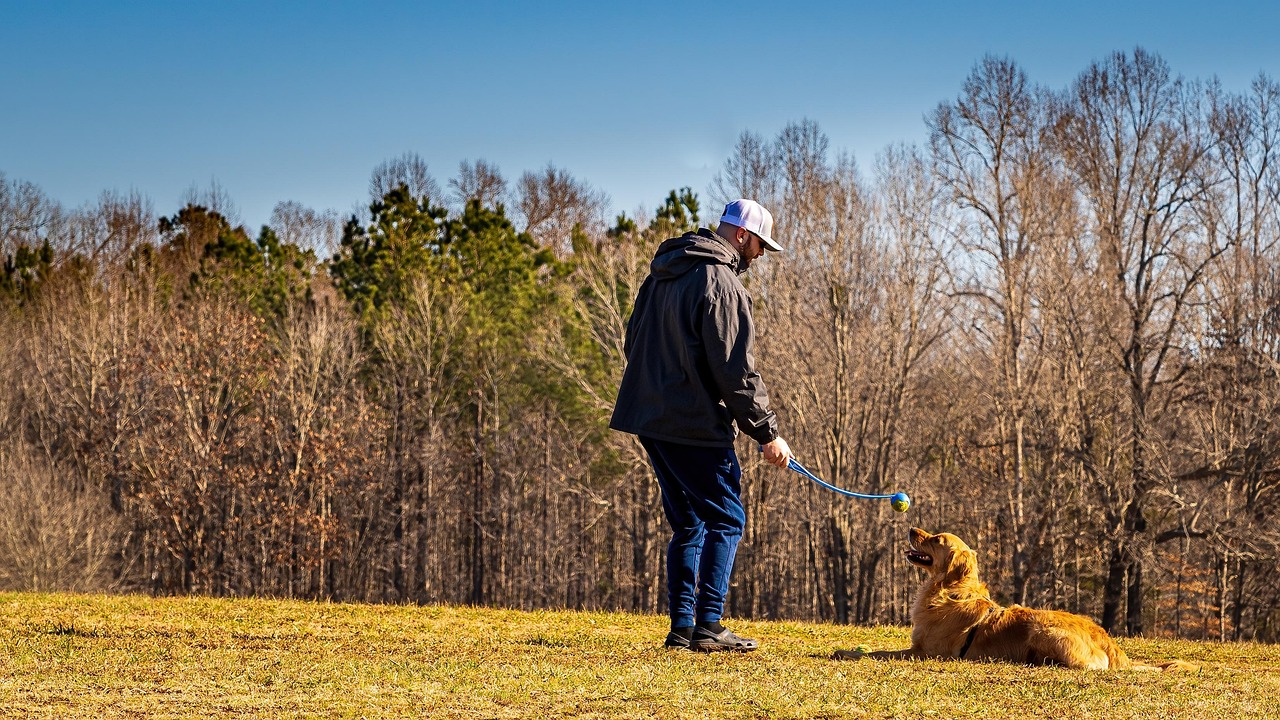

Mind and Body: Combining Physical Exercise and Mental Games for Dogs
When it comes to creating the perfect routine for your dog, blending physical exercise with mental stimulation is crucial. Dogs thrive when they are both physically active and mentally engaged, preventing boredom and possible behavioral issues. Suppose you are interested in improving your furry friend’s overall well-being. In that case, a well-structured combination of outdoor activities, like running or hiking, along with interactive games can make a significant difference. Choosing the right activities also depends on your dog’s breed, age, and personality. For high-energy breeds, both mental and physical activities are essential to keep them happy. A well-rounded routine promotes not only physical health but also strengthens your bond with your pet. Engaging with your dog through play exercises the mind while also providing the necessary exercise they crave. Involving various stimuli can help prevent dogs from becoming bored and destructive at home. Using toys that challenge their mind, like puzzle feeders, adds an excellent element to their daily routine in a fun way. This encourages your dog to think critically while still being active, benefiting them immensely.
Benefits of Mental Stimulation for Dogs
Just like humans, dogs require mental stimulation to stay sharp and happy. Engaging your dog in mental games improves their cognitive abilities, reducing anxiety and promoting overall well-being. Interactive toys, training sessions, and varied walking routes provide the necessary stimulation to keep your dog entertained. A well-exercised dog is usually a happier and more relaxed dog. Incorporating games that require your dog to think creatively also keeps them from feeling isolated and bored. Puzzle toys can be filled with treats, encouraging your dog to figure out how to retrieve them. This type of mental exercise is vital, especially for working breeds that need a purpose. Additionally, engaging your dog’s brain helps strengthen your bond, as training often involves communication and teamwork. Regular engagement is essential for preventing unwanted behaviors that often arise from boredom, such as digging, barking, or chewing things they shouldn’t. Find activities that keep them engaged based on their unique personalities. Make the games varied and interesting to hold their attention and foster a habit of learning, while providing physical benefits as well.
Combining mental and physical activity is essential for a balanced canine lifestyle. Incorporating interesting hiking routes can be one way to achieve this balance. Regular walks not only provide excellent physical exercise but also expose your dog to new smells, sights, and sounds, which are vital for their cognitive engagement. Varying your walking path keeps your dog’s environment fresh and exciting. Integrating playtime with physical activity can also spice up your routine. Games like fetch or agility exercises can complement time spent outdoors. You can play hide-and-seek with your dog, hiding somewhere in the house or yard and calling them to find you. This activity boosts their excitement and encourages mental engagement. This combined approach leads to healthier dogs that are more emotionally stable. Additionally, dogs that regularly enjoy both types of engagement are often easier to train. This is because they learn to focus better and are more willing to follow commands. Spicing up your dog’s exercise routine like this helps develop your dog’s skills while keeping them physically fit and mentally agile, which is the ultimate goal.
Fun Games to Play with Your Dog
There is an array of fun games that can be easily integrated into your dog’s routine. For instance, teaching your dog to fetch enhances both physical activity and cognitive engagement. Start with simple commands and gradually increase the complexity. You can also introduce tug-of-war using a sturdy rope toy; this is an enjoyable way to burn off energy. Hide-and-seek is another game that encourages your dog to think creatively while providing physical exercise. You hide, and they seek out your location using their sense of smell or sight, offering both fun and bonding time. Additionally, consider interactive puzzle toys that dispense treats as your dog interacts with them. These toys challenge your dog’s thinking skills while keeping them active and entertained; this can be especially beneficial for independent breeds. Moreover, teaching them tricks using clicker training can stimulate their minds while providing physical movement. The best approach is to mix and match these suggestions to find what resonates most with your dog, ensuring they enjoy every moment while reaping multiple benefits. Explore various games until you find the perfect combination that suits your dog’s personality.
Incorporating outdoor excursions can serve multiple purposes for your dog. Hiking is an excellent opportunity for your dog to explore different terrains while getting both exercise and mental stimulation. Look for accessible trails that can accommodate dogs, ensuring their safety and comfort. During hikes, allow your dog to sniff around, which helps fulfill their natural instinct while keeping them engaged. If possible, incorporate water activities like swimming, which provides excellent physical exercise and is often beloved by dogs. Rotating between different environments can help maintain your dog’s enthusiasm for outdoor time. This continuous variety in routines improves both mental and physical well-being. Encourage socialization by arranging playdates with other dogs, contributing to social skills and confidence-building. Social interactions improve your dog’s mood and energy levels, preventing anxiety issues. Include varied physical challenges, such as agility courses or basic obedience training sessions. Training not only benefits their exercise but also reinforces good behavior in various situations. Make these outings feel like adventures for your dog, thus enhancing the quality of your time together while fostering a deep bond through shared experiences. These combined activities can lead to a well-adjusted, happy pet.
Creating a Balanced Routine
Establishing a balanced routine involves more than just combining exercises and games for your dog. It’s essential to monitor your dog’s progress; adjusting the difficulty of games as they improve can keep them engaged. Keep in mind that consistency is vital for your dog’s learning and overall happiness. While mental and physical activities are crucial, rest and recovery play a significant role in their well-being. Create a schedule that includes time for napping, cuddling, and downtime, allowing your dog to recharge. This balance prevents fatigue while ensuring they are ready for the next play session. Observe your dog’s preferences as you develop this routine; some may prefer more mental games, while others thrive on physical challenges. Keeping notes on what activities your dog enjoys can help tailor your approach. Regular feedback from your dog during playtime is also essential; adjustments based on their enthusiasm can significantly enhance your bond. For puppy owners especially, a well-rounded routine is critical. Puppies need socialization, stimulation, and rest to grow into happy, well-adjusted adults. Such a structured routine fosters affection and strengthens your bond over time.
Engaging your dog in productive activities strengthens your relationship with them. Techniques such as practicing tricks or commands during playtime can significantly enhance their cognitive skills. This enables them to understand your commands better, leading to improved communication. Providing them with effective correction for unwanted behaviors during these sessions can also teach important lessons. Moreover, outdoor adventures can enhance self-control and confidence in your dog. Fostering an environment filled with varied mental and physical activities can unravel your dog’s full potential. Don’t forget to celebrate small achievements; this encourages positivity and motivation during training sessions. Incorporating varied types of play, such as fetch, tug-of-war, and hide-and-seek creates a stimulating, enjoyable atmosphere. Tailoring the experience based on your dog’s reactions not only satisfies their needs but also adds joy to the process. Remember, dogs flourish in environments where they feel safe, secure, and entertained. Utilize tools like treat bags and favorite toys to create an interactive atmosphere that promotes learning and fun. Regularly changing activities keeps excitement alive for both of you. This approach leads to a fulfilling, happy life for your dog, promoting a healthy and lasting bond.
Final Thoughts on Dog Parenting
Ultimately, combining mental and physical activities is essential for a happy, well-balanced dog. By offering your dog a variety of activities that challenge their minds and bodies, you significantly enhance their quality of life. Create routines that incorporate both exercises and games, ensuring your dog always has something enjoyable to engage with. Continually explore new games, enhancing skills, and keeping your dog stimulated. Furthermore, mental stimulation leads to dogs that are more receptive to training; they become better companions overall. Always be patient and adjust your activities based on your dog’s responses. Your bond deepens when you engage in meaningful activities, creating treasured memories together. A well-stimulated dog tends to exhibit desirable behaviors, as their energy is channeled productively. Make sure to invest ample time into understanding their preferences and adjusting accordingly. Incorporate rest and relaxation periods throughout the day to prevent fatigue while enhancing learning. Local parks, dog parks, and dog-friendly events are great ways to ensure social interaction. Embrace the journey of dog parenting, knowing this dedication leads to a fulfilling life for both you and your furry friend.