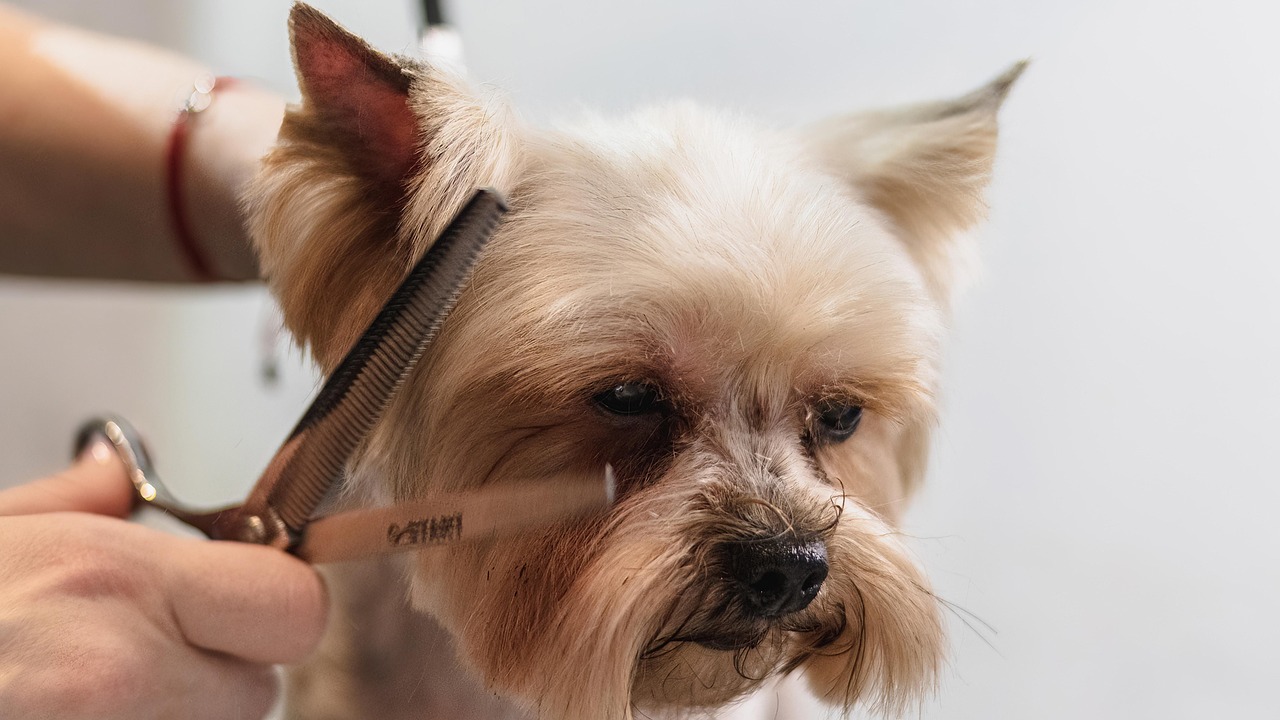

Tips for First-Time Groomer-Client Interactions
Building trust with clients is essential in dog grooming. For new groomers, effective communication is key to establishing long-term relationships. Start by introducing yourself and your experience in the grooming field. Ask the client about their dog’s grooming history and any specific needs or concerns. This shows that you care about their pet’s well-being. Make sure to listen attentively and take notes if necessary. Share your grooming process, so clients know what to expect. Discuss any specific grooming styles or techniques you plan to use. It’s also crucial to communicate price estimates clearly to prevent surprises. Be transparent about additional fees that might apply, such as for de-shedding or special treatments. Cultivating good rapport will go a long way. Be friendly and approachable while remaining professional. If the client seems anxious, reassure them that their pet is in good hands. Use positive body language. Smiling can ease tensions. Throughout the appointment, provide updates on how their dog is doing. Regular communication can alleviate concerns and promote trust, making the grooming experience pleasant for both parties involved.
Whenever a client arrives with their dog for the first time, it’s crucial to create an inviting atmosphere. First impressions matter, especially in dog grooming. Greet the client warmly and engage with their pet, allowing the dog to feel comfortable in your presence. Before getting started, make it a point to ask the client about their dog’s temperament. Understanding any quirks or previous experiences can help tailor the grooming session to the pet’s needs. Asking open-ended questions helps you gather valuable information. Questions like, “What does your dog dislike?” or “Have they had any bad grooming experiences?” can offer insights. Inform the client about your grooming facility’s cleanliness and safety measures. Share how you handle anxious or aggressive dogs, as clients will appreciate your professionalism. Emphasize your commitment to their pet’s safety and comfort. It also helps to explain the grooming process, detailing which procedures you will perform and any tools used. Providing this breakdown creates transparency, which can alleviate concerns. Finally, thank the client for choosing your services and reassure them that their dog will receive exceptional care throughout the grooming session. Such steps foster trust and encourage clients to return.
During the grooming appointment, communication remains vital. While working with the dog, check-in with the owner periodically. Briefly explain what you are doing at different stages, especially if it involves grooming areas the owner isn’t familiar with. For instance, as you clean the dog’s ears or trim their nails, mention the steps and reassure the client. If any unexpected issues arise, such as matted fur or underlying skin conditions, let the client know immediately. Providing them with options gives them a sense of involvement in their pet’s grooming journey. Discuss these issues candidly but compassionately; the owner likely cares deeply about their dog’s health. Additionally, remember to keep an eye on the dog’s behavior during grooming. If they seem stressed, explain this to the client and suggest a gentler approach or a more relaxed atmosphere. Staying connected with the client’s emotions can ease worries as they witness your care. By updating clients on their dog’s condition or behavioral changes, you’re reinforcing advocacy for their pet’s comfort. Such proactive communication nurtures their confidence in your professional ability, ensuring a positive grooming experience overall, which can lead to repeat business.
Handling Special Requests
Clients may have various special requests, and addressing them requires skillful communication. When clients arrive, ask whether they have specific styles or requests in mind. If they have brought images for reference, review them together. Discuss how realistic their requests are based on their dog’s fur type and temperament. Sometimes, clients may have unrealistic expectations; therefore, skillfully managing these conversations is essential. Explain why certain grooming styles may not work for their dog. Using positive language helps maintain a pleasant interaction. Focus on the dog’s comfort and welfare while suggesting suitable alternatives that align with their preferences. It’s also beneficial to have visual aids on hand. Perhaps a portfolio of past work or groomers’ examples to illustrate variations of styles can help clients visualize options. Remain flexible, as some requests may require adjustments during the session. If you encounter a challenge, ensure that the client remains informed about changes and the reasons behind them. By demonstrating attentiveness to their desires while ensuring practicality, you showcase professionalism and keep the client satisfied with their grooming experience.
The post-grooming interaction is another important area where communication shines. After completing the grooming session, take the time to talk to the client about their dog’s experience. Discuss how the dog behaved during grooming and whether any specific issues arose. This connection reinforces your commitment to care and shows the client that you value their pet. Aftercare instructions might also be helpful to share. For example, advise them on how to maintain the groomed coat at home, including brushing techniques and bathing schedules. Provide treatment recommendations, such as ear cleaning or dental hygiene tips. This additional information demonstrates expertise while supporting the pet’s ongoing well-being. Encourage clients to ask questions about the grooming styles and aftercare options available. An inviting attitude fosters an open dialogue, enhancing trust. It’s often appreciated when groomers also provide contact information for any follow-up questions. Sending clients a follow-up text or email after their appointment is a thoughtful touch. Express your appreciation for their business and ask how their dog is doing once they’re home. Such follow-ups create lasting relationships and keep your grooming services top-of-mind for future visits.
Encouraging client feedback is a crucial aspect of the grooming process. Once the grooming appointment is over, consider asking clients to provide their thoughts on the service. Use simple forms or quick surveys, which can be done on paper or digitally, to gauge their experience. Query them about their overall satisfaction, specific aspects they liked, or areas for improvement. Getting feedback helps you identify strong points in your service and address potential oversights. Engaging with clients this way demonstrates your commitment to growth and quality service. Listening to them carefully can also provide insights into how to better meet their needs during future appointments. Also, invite them to leave reviews online on platforms like Google or Yelp. Positive reviews help enhance your credibility and attract new clients. Show appreciation for everyone who takes the time to provide feedback, whether in person or through written means. A simple thank-you or recognition of their feedback can go a long way. Building this channel of communication reinforces loyalty and cultivates a community around your grooming service. Through thoughtful communication, you’re building rapport that supports long-term relationships with your clients and their pets.
Conclusion
In summary, effective communication in dog grooming is a multifaceted process that begins long before the first appointment. Establishing strong relationships with clients requires active listening, transparency, and ongoing interactions. Every step matters—from the initial greeting to post-grooming feedback. Approaching each client interaction with care builds trust, encouraging return visits. Take the time to understand the dog’s temperament and the client’s desires while ensuring that both are aligned with realistic grooming methods. Documentation during appointments assists in identifying concerns and ensuring transparency in the grooming process. As a new groomer, supplementing personalized service with client education about grooming practices and aftercare enhances the overall experience. Continuous feedback not only improves your skills but also strengthens client relationships over time. It’s valuable to remain flexible as each dog presents unique challenges and modifications. Additionally, never underestimate the impact of positive body language and a welcoming demeanor. These small gestures help put clients and their pets at ease. By fostering open dialogues, you lay the foundation for a successful grooming business. Ultimately, prioritizing effective communication translates into happy clients, satisfied pets, and a thriving grooming practice.
Post-grooming follow-ups add value. Regularly check in on your clients and their pets, enhancing connection and revealing long-term concerns that might arise after grooming. Sending out newsletters about grooming trends or helpful tips also shows your commitment to their pet’s well-being. This idea further fosters a sense of community while allowing clients to feel valued and informed about their decisions. Offering promotions or loyalty programs might encourage them to return, building long-lasting relationships. Such initiatives create an engaging atmosphere and expand your client base. Equally, engaging on social media platforms can boost your visibility. Share your grooming journey or before-and-after pictures online, inviting clients to interact. It turns grooming into a collaborative experience that clients love. Reminding clients about annual grooming schedules or seasonal events for grooming can cultivate client loyalty. Those who feel part of a supportive environment are more likely to return. Lastly, establishing a referral program incentivizes satisfied clients to recommend others to your grooming services. This extends your reach and nurtures a community of devoted pet owners who appreciate good grooming practices. By valuing client relationships and their furry companions, you set a solid foundation for successful, ongoing business interactions.