
Best Practices for Sealing Drafts in Your Cat’s Outdoor Shelter
Creating a comfortable habitat for your cat involves more than just providing food and water. An outdoor cat shelter must be properly insulated to combat harsh weather conditions. Whether it’s blistering heat or biting cold, ensuring it is free from drafts is paramount. Drafts can significantly lower the temperature inside the shelter, causing discomfort to your furry friend. To effectively seal drafts, start by assessing potential leak points. Common areas include seams, floors, and the roof. These spaces can often allow cold air to enter, making it vital to address them promptly. Next, consider the materials you’ll use for insulation. Reflective insulation, while a great option, requires installation knowledge. Moreover, keep the shelter elevated off the ground to avoid moisture issues. Proper drainage is crucial for avoiding seepage from rainwater. By taking these measures, you can enhance your cat’s shelter, making it more comfortable during extreme weather. Remember, an insulated shelter not only protects your pet but also improves their overall well-being.
Once you’ve identified potential draft sources in your cat’s outdoor shelter, addressing them effectively is key. Adding weather stripping around the access doors is an excellent start. This simple addition creates a tight seal that prevents unwanted air from entering. For the floor, you can use insulating mats or foam pads to block drafts creeping in from beneath. Ensure these materials are weather-resistant to prolong their effectiveness. Don’t overlook the importance of the entry point; installing a heavy curtain can further insulate the interior space. Heavy curtains can buffer cold winds without hindering your cat’s ability to enter or exit. Make sure they are securely fastened to avoid accidental dislodging. Additionally, consider employing a heated pet pad inside the shelter during winter months for added warmth. These pads are specifically designed for pet safety and are energy efficient. Monitor your cat’s comfort regularly by observing their behavior in the shelter. If they seem discontent, revisit your insulation strategies and make adjustments accordingly. A well-insulated cat shelter not only protects your beloved companion but also enhances their quality of life.
Materials for Effective Insulation
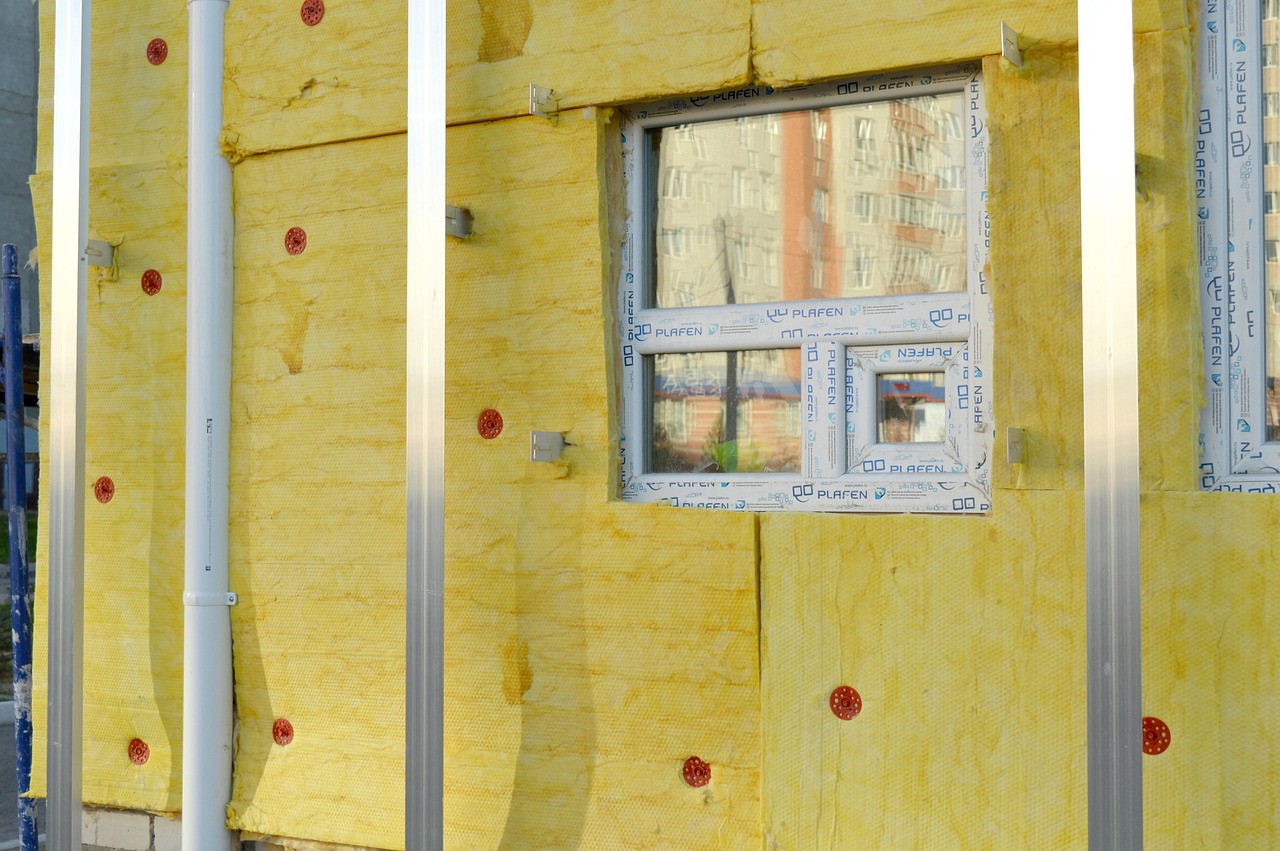
Choosing the right materials for your cat’s outdoor shelter is vital in maximizing insulation and minimizing drafts. You can start with rigid foam insulation, an outstanding option known for its thermal resistance properties. This material can be cut to size and applied to walls or ceilings to create exceptional insulation barriers. Additionally, consider magnetic strips for door frames, which create an effective seal. Their flexible design allows ease of access while providing a snug fit against drafts. Another budget-friendly alternative is using recycled materials such as old blankets or towels. These can be layered within the shelter for added warmth. Not only are they cost-effective, but they also offer comfort to your cat. If you’re aiming for more permanent solutions, think about adding insulated panels or plywood to the shelter’s construction. Seal the edges with caulk to create an airtight barrier, further diminishing cold air infiltration. The careful selection of insulation materials can create a snug atmosphere that maintains your cat’s body temperature and shields them from extreme weather conditions.
Ventilation is another crucial aspect to consider when you are insulating your cat’s outdoor shelter. While it’s essential to prevent cold drafts from entering, proper airflow must also be maintained to prevent heat buildup. One of the best ways to achieve this balance is by including ventilation holes located high up in the shelter’s walls. These should be covered with fine mesh to keep unwanted pests out, ensuring your cat remains safe while still enjoying a breathable environment. Design your holes strategically to minimize direct exposure to chilly winds. Additionally, consider using adjustable flaps that can be opened or closed based on weather conditions. Adjustable flaps are particularly handy in fluctuating temperatures, allowing you to control airflow without sacrificing insulation. On warmer days, cracking open flaps can provide your cat with a refreshing breeze, while sealing them on cooler days maintains warmth. By prioritizing both insulation and ventilation, you can create a cozy yet safe haven for your feline, meeting their needs throughout various weather changes.
Maintenance of Insulated Structures
Regular maintenance of your cat’s insulated shelter is crucial to ensure its longevity and effectiveness. Start by checking for any signs of wear or damage in your insulation materials. Over time, harsh weather conditions can deteriorate the integrity of insulation, leading to poor performance. Make it a habit to inspect the shelter for cracks or holes, particularly after severe weather events. If you notice any issues, repair them promptly to maintain a sealed environment. Additionally, keep the flooring clean and dry. Regularly remove any bedding material to avoid mold growth, which can compromise insulation and your pet’s health. You may also need to replace old insulation materials periodically, as they can lose their effectiveness over time. Use durable, weather-resistant materials to ensure your shelter withstands the test of time. If your cat’s outdoor shelter experiences significant wear and tear, consider upgrading the entire structure for proper insulation. Emphasizing maintenance not only safeguards your investment but also enhances the comfort and safety of your beloved cat.
Another essential aspect when sealing drafts in your cat’s outdoor shelter is the placement of the shelter itself. Optimal location impacts the efficiency of insulation and effectiveness in blocking wind. Position the shelter away from prevailing winds while ensuring it’s not in a flood-prone area. Elevating the shelter slightly off the ground minimizes moisture contact and encourages ventilation. This approach is especially important in rainy climates where puddles can seep into the shelter. If possible, place the structure under a tree or use windbreaks, as these can serve as natural barriers against harsh winds. Make sure the entrance faces away from the wind, further reducing draft exposure. Furthermore, consider using landscape fabric or mulch to redirect water drainage. This ensures the shelter’s longevity while providing a dry, comfortable area for your feline friend. In addition to location, regularly assess soil stability to avoid any subsidence or sinking over time. These steps are vital for creating a secure, draft-free environment tailored for your cat’s needs, ensuring they stay warm and cozy throughout all seasons.
Final Thoughts on Cat Shelter Insulation
In summary, creating a comfortable outdoor shelter for your feline friend involves various considerations. Sealing drafts is incredibly important and requires a combination of materials, design, and location. From installing weather stripping, adding insulation, to ensuring proper drainage, each element plays a role in your cat’s comfort. Remember, carefully selected materials are essential to minimize drafts while maintaining necessary ventilation. Your cat’s health and happiness should always be a priority in your outdoor shelter design. Throughout the year, it’s vital to keep assessing the insulation and make changes when necessary to improve the environment tailored for your cat. Invest time in maintaining and upgrading your shelter to ensure it lasts and functions for years to come. Furthermore, regularly monitoring your cat’s behavior allows for timely adjustments to optimize their comfort and safety. By following these best practices, you can provide an inviting, safe, and warm refuge for your cat. Ultimately, the effort you put into sealing drafts in their outdoor shelter reflects the love and care you have for their well-being.