
Essential After-Travel Grooming Care for Your Dog
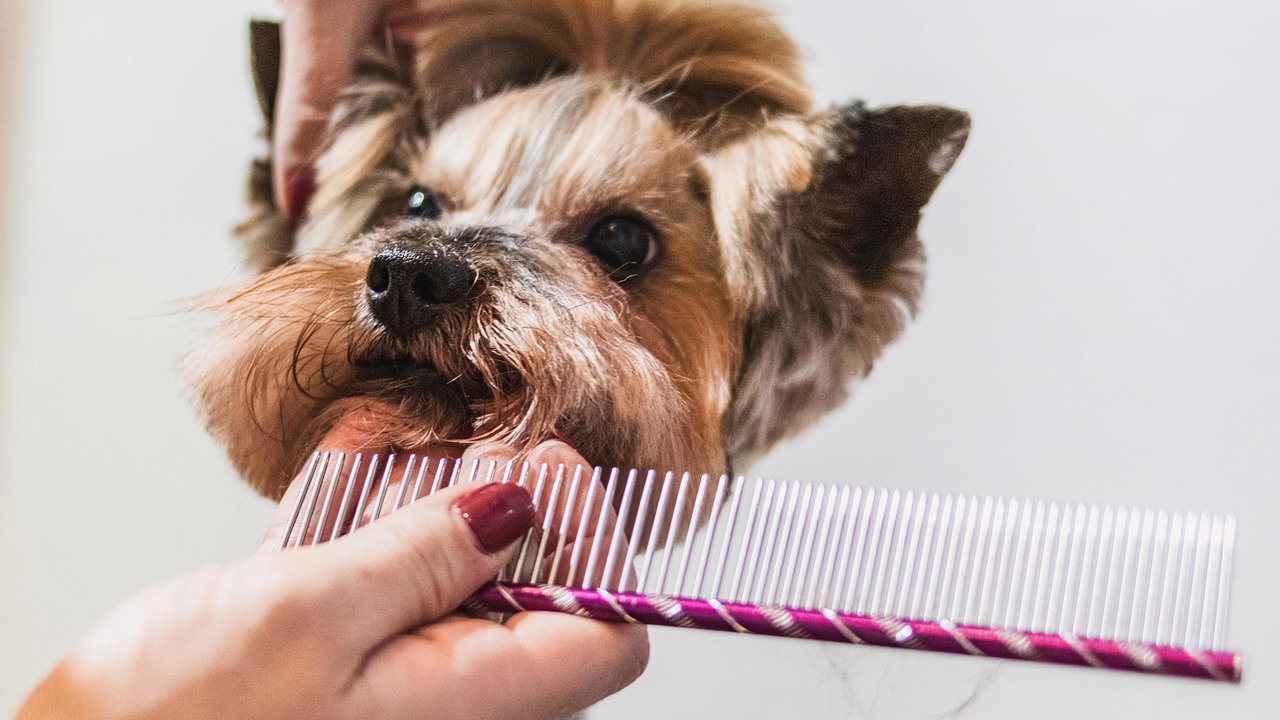
Traveling with your dog can be a delightful experience, but it often leads to the need for additional grooming once your trip is over. After a great adventure, your pet deserves a thorough grooming session to help them feel refreshed. Start by brushing your dog’s coat to remove dirt and loose hair. Use a brush suitable for their fur type. This will stimulate the skin and distribute natural oils, keeping the fur healthy. After brushing, inspect their ears and clean them gently with a damp cloth or vet-approved ear cleaner. This will prevent infections from any moisture or dirt accumulated during travel. Don’t forget about their paws! Clean and check their pads for foreign objects or injuries. A gentle wipe can prevent any irritation. Regular grooming also strengthens your bond with your dog, making them feel loved and cared for after your journey together. As you travel, carry a basic grooming kit that includes brushes, wipes, and flea control. This allows you to keep your dog comfortable and happy during your travels, ensuring they are ready for a refreshing grooming session upon returning home.
After you arrive home, it’s essential to give extra attention to your dog’s hygiene needs. Bathing your dog after travel can help remove any lingering dirt and allergens from their coat. Use a mild dog shampoo to avoid irritating your pet’s skin. Gently massage the shampoo into their fur and rinse thoroughly. Be sure to keep water out of their ears to prevent discomfort or infections. Consulting a professional groomer is beneficial if your dog has sensitive skin or a complex coat type. They can provide specialized care for your furry friend. After bathing, it’s good practice to dry them with a towel or a pet-safe blow dryer on a low setting. It’s important to check your dog for ticks or fleas after being outdoors, especially during warmer months. Regular tick checks can help prevent parasite infestation. Additionally, consider scheduling a grooming appointment within a week of returning home. Professional grooming can provide a deep clean and maintain your dog’s appearance. Remember that grooming is not just about looks; it’s also crucial for your pet’s overall health and wellness.
Routine Nail Care is Vital
Nail trimming is another essential grooming task that should not be overlooked after your travels. Long nails can cause discomfort to your pet and might even lead to injuries. After your trip, check your dog’s nails to see if they need a trim. Most dogs should have their nails trimmed every three to four weeks. Use a dog-specific nail clipper to ensure a clean cut. If you’re unsure about trimming nails, consider asking a professional groomer to help. They can teach you the right technique to avoid cutting too close to the quick, which can cause pain and bleeding. Regular nail care helps prevent issues like cracked nails or painful walking. You can gradually get your dog used to having their nails trimmed by making it a part of your grooming routine. This helps them associate nail care with positive experiences, such as treats or playtime. Investing time in grooming your dog’s nails not only keeps their paws healthy, but it also contributes to their overall well-being as they age. Keep an eye on their walking habits to ensure their nails are at an appropriate length.
Following your travel experiences, brushing your dog’s teeth is crucial for maintaining oral health. Traveling may disrupt your usual dental care routine, so getting back on track is important. Plaque and tartar can accumulate quickly, leading to dental issues if not addressed. Use a toothbrush designed for dogs and toothpaste formulated for pets, as human toothpaste can be harmful. If your dog is resistant to brushing, try introducing it gradually to build their comfort. You can also provide dental chews as an alternative for keeping their teeth clean. Additionally, consider scheduling a professional dental cleaning for your dog at least once a year. Regular dental care helps prevent bad breath, gum disease, and other oral health problems. Maintaining your dog’s dental hygiene is not just about appearances; it contributes significantly to their overall health and well-being. Watch for any signs of dental discomfort, such as reluctance to eat or excessive salivation, and consult your vet if needed. Establish a dental care routine that includes brushing at least two to three times a week for optimal results.
Skin Care and Moisturization
After traveling, your dog’s skin may need extra care due to exposure to different climates and environments. Changes in temperature, humidity, and allergens can affect your pet’s skin health. Inspect your dog’s skin for any signs of irritation, such as redness or flakiness. Use a gentle dog-safe moisturizer on dry areas, particularly if your pet has sensitive skin. If your dog has allergies, consult with your veterinarian for suitable options. Bathing them with oatmeal-based shampoos can soothe itchy skin. Pay attention to areas that are prone to dryness, such as elbows and belly. Providing a diet rich in fatty acids can also support skin health by keeping it hydrated from within. Adequate hydration is essential, so make sure your dog drinks enough water after traveling. Additionally, be mindful of any changes in diet that occurred during your trip. Monitor their skin condition regularly and consult a vet for persistent issues. Taking extra care of your dog’s skin after travel ensures they stay comfortable and their coat remains healthy and vibrant throughout the year.
Keeping your dog’s grooming tools clean is vital for their hygiene, especially after returning from a trip. Dirty grooming supplies can harbor bacteria and parasites, potentially causing health issues for your pet. To maintain a clean grooming routine, regularly wash brushes and combs in warm, soapy water to remove dirt, fur, and oils. Rinse thoroughly and let them air dry to ensure there’s no residue left. Additionally, inspect tools for damage or wear and replace them as needed. Regularly cleaning grooming tools not only helps maintain hygiene but also extends their lifespan. It’s a good idea to establish a routine for cleaning your grooming kit and include it in your post-travel checklist. Consistent care of grooming tools translates directly into better care for your dog. Having a clean grooming setup also creates a more pleasant environment for both you and your pet. Remember that hygiene is a top priority in your dog’s overall health. Make sure to keep their grooming area organized and filled with necessary items for easy access after each travel adventure.
Importance of Regular Check-Ups
After returning from travel with your dog, it’s essential to schedule a veterinary check-up to ensure your pet remains in good health. Traveling can expose them to various environmental factors and potential health risks. A vet will perform a complete wellness exam, checking your dog’s weight, skin condition, and general behavior. During the visit, don’t hesitate to discuss any concerns you may have about their well-being or specific incidents that occurred during your trip. Regular health check-ups can proactively detect health issues before they become serious. It’s also an ideal opportunity to keep vaccines up to date, especially if your travels included exposure to new regions or parks. Discuss preventive treatments, such as flea and tick medications. Your vet can suggest a tailored health plan that suits your dog’s individual needs. Take note of any behavioral changes in your dog following your return home, as these may require further investigation. Ensuring that your dog receives tailored health care, especially after travel, is vital for their longevity and happiness and helps to maintain a healthy lifestyle overall.
Lastly, the emotional well-being of your dog is just as important as their physical state after a trip. Dogs can experience anxiety due to changes in their environment or routine. After returning, provide a comforting environment to help them readjust. Offering familiar toys, blankets, and a cozy spot can ease their transition back home. Spend extra time engaging in their favorite activities, which reinforce your bond and help them feel secure. Monitoring their behavior during this period is important, as signs of stress can manifest in various ways. If you notice excessive barking, restlessness, or reluctance to engage in usual activities, consider consulting a dog behaviorist. Creating a calming routine can help alleviate stress, providing structure and security for your dog. Additionally, consider incorporating relaxation techniques, such as gentle massage or soft music, into their routine. A supportive and loving environment is vital for your dog’s emotional health and well-being after travel. Prioritizing their comfort and happiness ensures that both you and your furry friend are ready for the next adventure together.