
How Optional Coverages Affect Your Cat Insurance Premiums
When considering cat insurance, optional coverages play a significant role in determining your premiums. One of the first things to note is that these additional coverages can vary widely based on the insurer. Each insurance company offers different options, which can significantly influence annual and monthly costs. Generally, optional coverages include things like dental care, wellness plans, or alternative therapies. These options can give you peace of mind, but they also increase your financial commitment. It’s essential to weigh the benefits against potential increases in premiums. For instance, a dental care plan can cover essential procedures and preventive care, thus reducing out-of-pocket expenses. However, it may add to your base premium significantly. A wellness plan, on the other hand, can include various services such as vaccinations and routine check-ups, which are beneficial yet increase your overall premium. Before choosing optional coverages, take time to analyze your cat’s needs and your financial situation. Ask yourself questions, such as: What is truly necessary for my pet? Are there coverages I can forgo? These questions help tailor a policy that suits you.
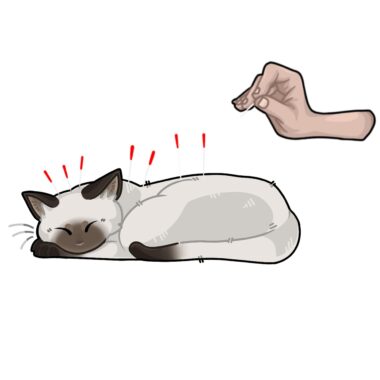
Optional coverages in cat insurance can enhance your policy, but they also affect costs. Recently, many pet owners have begun prioritizing comprehensive coverage options. This trend emphasizes preventive care, demonstrating that understanding optional coverage is crucial. Each additional coverage option tends to raise the premium, and prospective policyholders need to identify what’s worthwhile. For example, alternative therapies are increasingly popular. They include acupuncture and physiotherapy, which may improve your pet’s quality of life but come with added costs. Many pet owners feel that these treatments enhance their pet’s health, and some insurers offer these options. Another popular add-on is coverage for preventative surgeries, which safeguard against common illnesses as your cat ages. To make an informed decision, breed and health status are significant factors. Each breed may require different kinds of healthcare, which can guide the choice of coverages. Always research the specifics about each coverage option. Compare prices and benefits among providers. This diligence helps control potential premium increases while ensuring that your cat receives adequate care. In the long run, understanding these coverages will lead to smarter financial and health decisions for you and your feline companion.
Evaluating the necessity of optional coverages can lead to significant savings over time. While it’s tempting to avail of every coverage option available, this decision requires careful assessment of both costs and benefits. Some essential factors to consider are: your cat’s age, health condition, and specific needs. Younger cats often require less extensive coverage than older cats, who may face more health issues as they age. Additionally, monitoring prevalent health concerns in certain breeds can guide you when considering optional coverages. Several insurers will offer tailored plans based on these factors. For example, Siamese cats may need more dental care than other breeds, making a dental coverage add-on a wise choice. Likewise, asking about exclusions or limitations on policies can save you from unnecessary costs later. The best approach is a customized plan that reflects actual needs rather than a one-size-fits-all policy. Spending time researching each coverage will contribute to long-term savings. Furthermore, consider visiting local veterinary clinics to get information on common treatments. Their expertise can recommend which optional coverages would be most beneficial for your cat’s situation, ultimately guiding your decisions about insurance premiums.
How to Choose the Right Optional Coverages
Choosing the right optional coverages requires a strategic approach that aligns your cat’s specific needs with your financial capabilities. When you’re reviewing different policies, consider various factors at play. First, assess the basic needs of your cat. What are the most common health issues they might face based on breed and age? You may want to prioritize coverages that address these issues specifically. For example, if you have an elderly cat, consider plans covering age-related conditions and treatments. Secondly, it’s essential to evaluate your budget. What can you afford in terms of premium increases? By identifying your budget range, you prevent overspending. Requesting quotes from multiple insurers can offer a clearer picture of what various optional coverages would cost. It’s also useful to read reviews about customer experiences with specific plans and insurers. Some plans may appear attractive but lack real-world effectiveness. Research insurers’ payout histories as well. Investments in third-party review sites can guide your choice, preventing future frustrations. Ultimately, finding the perfect balance between protection and costs will differentiate a successful cat insurance plan from an average one.
More optional coverages also create more complexity in your policy, leading to potential confusion. Understanding the details of each coverage is vital to prevent unexpected costs. Many pet owners may not realize that some coverages have limits, meaning they only apply under certain conditions or up to specific monetary amounts. Even if that sounds confusing, recognizing these details can change how you see your insurance. For instance, if you choose wellness packages, be mindful of how many visits are covered per year. There could be caps on the number of visits, meaning additional trips incur out-of-pocket expenses. Always ask your insurer about these fine details before finalizing a coverage plan. Additionally, certain high-end coverages may seem attractive but can be misleading. They often come with higher annual caps or deductibles, which can diminish their value. Make sure to read all contract details thoroughly. Policies that initially appear beneficial might lead to high out-of-pocket expenses if they don’t cover what you think they do. The focus should always be on comprehensive understanding, which ultimately empowers you to make sound decisions about optional coverages.
The Role of Deductibles in Optional Coverage
Deductibles play a crucial role in calculating premiums, especially for optional coverages in cat insurance. These costs directly affect how much you’ll actually receive back from claims. When purchasing optional coverage, pay attention to the deductible amounts associated with each option. Higher deductibles often mean lower premiums, but they can lead to unexpectedly high out-of-pocket expenses when you file a claim. Conversely, lower deductibles result in higher premiums but offer more significant immediate financial support during emergencies. Balancing your needs and financial constraints is crucial when determining the best deductible level for your situation. Keep in mind that vet bills can be quite high, especially in emergencies. Therefore, a lower deductible might offer peace of mind, particularly for older cats who might require frequent vet visits. Don’t shy away from asking questions regarding each option available with your coverage. What if your cat develops a chronic condition requiring more regular vet visits? That’s where understanding how deductibles work becomes critical. Research your options and their premium implications, empowering you to clarify how much you’ll have to pay out-of-pocket for treatment.
Staying updated with changes in your chosen coverage will help you maximize the benefits of your cat insurance policy. The pet insurance industry is always evolving, with various insurers frequently modifying their offerings. Regularly review your policy to ensure it still meets your needs as your cat ages or their health changes. One helpful recommendation is to set reminders to review your plan annually or whenever a coverage modification occurs. Keeping communication lines open with your insurer is also essential so you can discuss potential changes in your cat’s health. This collaboration allows you to adapt your policy as needed. If your cat develops a condition that needs additional coverage, assess your current options. Would it make sense to upgrade or add another coverage? Additionally, understanding industry trends can provide insights into the best treatments available for specific conditions, allowing you to consider relevant coverages. Be wary of new specialty options that may arise; they could provide great benefits in protecting your pet’s well-being. Never underestimate the value of proactive management when it comes to ensuring your cat enjoys the highest level of care possible through their insurance plan.
In summary, optional coverages significantly impact your cat insurance premiums and overall policy effectiveness. Taking the time to evaluate each coverage option can lead to a well-tailored plan. Explore various possibilities based on your cat’s needs, health conditions, and breed characteristics. Understanding the cost of additional coverages, including potential premium increases and deductibles, is essential for making informed decisions. By appreciating the broader landscape of policy options and remaining proactive in managing your coverage, you will ultimately create more cost-efficient insurance. Collaborating with your insurer does not only clarify necessary coverage selections but also provides reassurance in handling your cat’s holistic care. Moreover, engaging in discussions with your veterinarian can help tailor these optional coverages based on your cat’s specific health concerns. Don’t forget to revisit your insurance policy regularly to make adjustments as your cat ages or develops health issues. As the pet insurance landscape changes, staying informed will empower you to ensure optimal care for your beloved feline. Your cat deserves the best health insurance, and understanding optional coverages is the first step toward providing excellent care while managing costs effectively.