
How to Build Confidence in Nervous Kittens Through Socialization
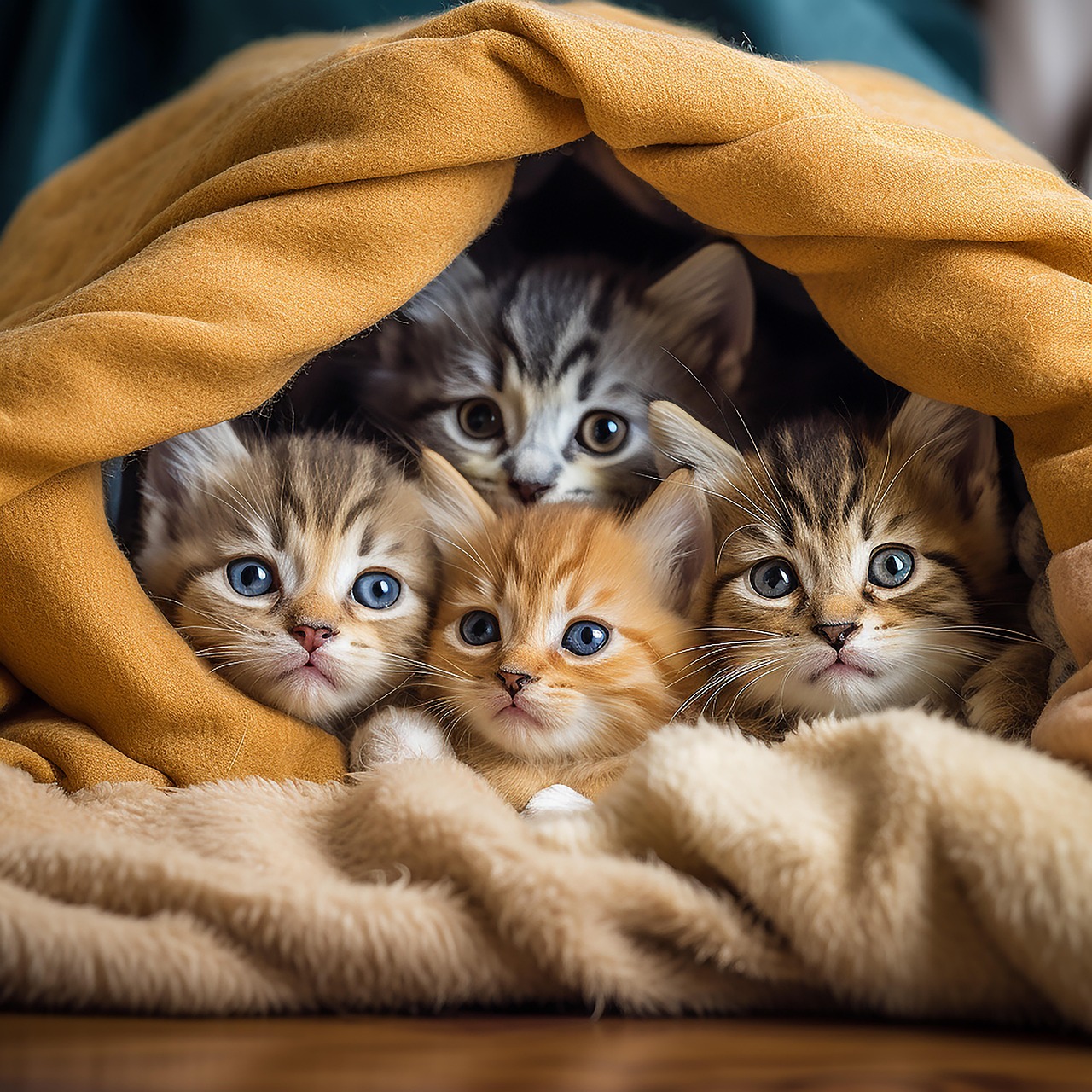
Bringing a nervous kitten into your home can be a rewarding experience, yet requires patience and understanding. Kittens, like all young animals, need socialization to develop confidence and comfort in their surroundings. The earlier you start socializing them, the better they will adapt to various situations. Begin by creating a safe environment where your kitten feels secure. This can include having a cozy bed or a private space where it can retreat when feeling overwhelmed. Additionally, ensure that its physical needs are met, such as proper nutrition and cleanliness. Gradually introduce your kitten to new experiences, like soft voices and gentle touches. Make these introductions enjoyable by associating them with positive reinforcement, such as treats or toys. This helps your kitten build a positive connection with social interaction. Furthermore, keep an eye on your kitten’s body language, as signs of stress may indicate an overload of socialization. Understanding this can help you avoid overwhelming your kitten, leading to better long-term results. Overall, gradual exposure to the outside world is crucial for maintaining confidence in uncomfortable situations.
The Importance of Socialization
Socialization is essential for kittens as it lays the groundwork for their personality and behavior. A well-socialized kitten tends to be more friendly, confident, and adaptable. In contrast, a poorly socialized kitten may grow into a timid or overly aggressive adult cat, often struggling in various environments. Introducing your kitten to various people, pets, sounds, and situations enhances their ability to cope with life changes. Socialization should happen in a positive manner, utilizing playtime and gentle affection, while avoiding forced interactions. Creating a structured routine can improve a kitten’s confidence. Use toys and engaging techniques to foster an interaction, ensuring that your kitten associates new experiences with positivity. Playdates with other cats or gentle dogs can significantly benefit your kitten’s social skill development. However, it’s important to introduce them in controlled environments and gradually increase the exposure. By monitoring interactions closely, you ensure that each experience remains enjoyable and builds the kitten’s confidence in various situations. Furthermore, resilience developed through diversity in experiences will serve the kitten well throughout its life.
Encouraging exploration is a vital component in building confidence among nervous kittens. You can provide a stimulating environment filled with safe spaces, such as climbing structures, tunnels, and carpeted areas. Allow your kitten to explore these areas at its pace. When it approaches new objects, avoid rushing over, as this can cause unnecessary stress. Interactivity is critical; using enticing toys—like feather wands and balls—can draw their curiosity and encourage play. Offer a variety of toys to cater to different preferences. Diversifying experiences can also be beneficial; expose your kitten to various family members and friends while maintaining a comfortable distance. Always respect your kitten’s boundaries and approach interactions gently. A well-rounded exposure should include gentle handling and various textures for them to investigate. During exploration, monitor their body language closely for signs of fear or discomfort, such as flattened ears or hiding. Always return to calmness with praise, petting, or treats whenever your kitten engages positively. This will nurture their sense of security while promoting healthy exploration habits. Over time, those initial hesitations and apprehensions will transform into curiosity and confidence.
Interacting with Other Animals
Introducing your nervous kitten to other pets is another effective way to foster socialization. Always supervise these interactions, especially in multi-pet households, to ensure a safe environment. Begin with short introductions, allowing your kitten to acclimate to the presence of the other animal before full interaction occurs. This can include letting them observe each other from a distance, paired with treats and toys to reinforce positive experiences. When both pets seem comfortable, gradually decrease the distance between them while maintaining a relaxed atmosphere. It’s crucial to pay attention to their body languages, such as tail position or ear orientation; these cues can indicate comfort or discomfort. Create many positive interactions, including shared play sessions, to establish a bond between your kitten and other pets. Socialization should remain gradual to ensure that your kitten isn’t overwhelmed. Consistency is key; maintain regular play dates with other pets to help your kitten develop confidence around them. Continued exposure will allow your kitten to understand how to communicate with their fellow companions, establishing friendships more easily.
Utilizing clicker training is an effective strategy for building confidence in nervous kittens during socialization. Clicker training involves making a distinct sound using a device when your kitten exhibits positive behavior, immediately followed by offering a reward. This technique aids in teaching new behaviors while reinforcing desirable actions. Begin by familiarizing your kitten with the clicker sound without any added pressure or distractions, allowing them to associate the sound with receiving a treat. Once your kitten is comfortable with the sound, you can start using it during socialization sessions. For instance, rewarding the kitten with a click and treat for exploring new areas or for tolerating the presence of other pets can encourage positive associations with previously stress-inducing experiences. Over time, this method can help build a solid foundation of confidence in different scenarios, linking the clicker sound with comfort. Remember to progress at your kitten’s pace, ensuring that they don’t feel overwhelmed and each step remains a positive experience. With patience and consistency, clicker training can significantly enhance the effectiveness of your socialization efforts.
Creating a Daily Routine
Establishing a daily routine can improve a kitten’s confidence drastically. Consistency in feeding, playtimes, and interactions allows your kitten to feel secure knowing what to expect each day. Introduce scheduled play sessions that incorporate various activities to enhance engagement. Be attentive during these sessions, offering cuddles, comfort, and understanding if your kitten shows signs of anxiety. A set routine helps kittens gradually feel more comfortable in the home environment, as they learn to anticipate these repeated experiences. Incorporating a warm-up period before introducing novel experiences also creates a cushion for their adaptable nature. This can include spending time near new sounds or objects before they directly interact with them. Gradual exposure aids in desensitizing them to new elements over time. Additionally, establish a wind-down routine before sleeping that consists of gentle interactions, like soft petting or quiet voice exposure, enabling the kitten to relax. By reinforcing these positive experiences, nervous kittens can begin to develop their self-esteem, allowing them to grow into bold adult cats who thrive in social settings.
Lastly, monitoring your kitten’s progress is essential in ensuring that the socialization efforts are successful. Keep a journal to track their responses to different situations and interactions. Documenting changes in behavior helps you identify what strategies work best for your kitten and what areas need further attention. Celebrate milestones, like when your kitten approaches new individuals or explores new spaces confidently. These achievements can provide invaluable insights for tailoring future experiences that instill confidence. Before long, you will notice gradual changes in their demeanor, illustrating their development. Remember that confidence-building is an ongoing process; some days may present challenges, while others could yield significant progress. Always maintain a positive attitude, which can encourage your kitten to mirror this behavior. Additionally, staying patient, consistent, and adaptable to your kitten’s needs lays the groundwork for a well-socialized companion. By approaching the journey with love and care, you’ll help your kitten become an open and fearless feline, effectively easing worries for both of you.
In conclusion, building confidence in nervous kittens through socialization is vital for their well-being. Gradual exposure, structured routines, and positive reinforcement all contribute to fostering a secure environment. Remember to approach your kitten’s development uniquely, respecting their comfort levels. With time, you will witness them transforming into playful, confident cats that thrive in companionship. With consistent engagement, your kitten will learn essential social skills and adaptability for various situations. The love and effort invested in these early stages will benefit not only the kitten but also the impact on your home environment. This endeavor can cultivate lasting bonds while ensuring happier interactions as your kitten grows. Maintain patience, understanding, and dedication; these essences are essential for achieving socialization success, particularly for nervous kittens. By adhering to the strategies outlined in this article, you equip your furry friend with the tools necessary for overcoming challenges socializing. In turn, you nurture a loving, confident cat that enhances your life through joy and companionship. Embrace the journey together; it will be rewarding for both you and your newfound feline family member.