
How to Manage Hunting Behaviors to Protect Local Wildlife
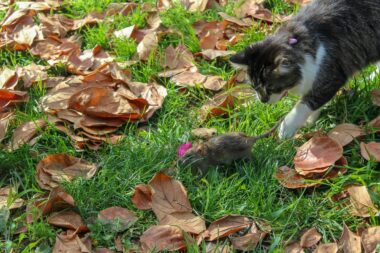
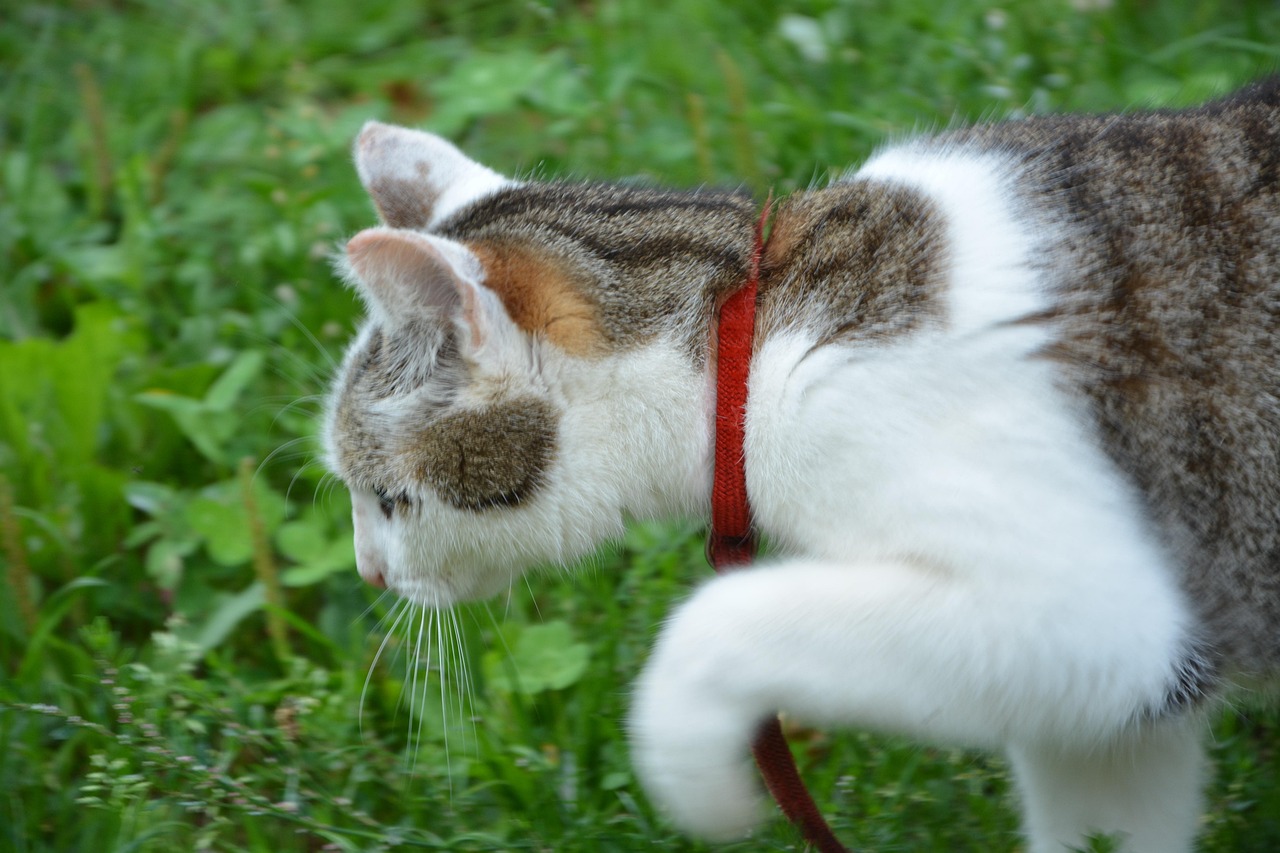
Understanding your cat’s natural hunting instincts is crucial for protecting local wildlife. Cats are instinctive hunters, relying on their natural predatory behaviors to catch prey. However, these innate habits can pose threats to birds and other small animals in their environment. To manage hunting behaviors effectively, it is essential to provide adequate mental stimulation within the home. Engaging cats with toys that mimic prey can satisfy their hunting urges without damaging local ecosystems. Incorporating various kinds of interactive play can keep them entertained, reducing the likelihood of outdoor pursuits. Additionally, utilizing puzzle feeders can help channel their energy in productive ways. Instead of letting them roam freely, consider leash training or creating an enclosed catio that allows outdoor time without direct access to wildlife. This approach encourages exercise while prioritizing the safety of outdoor inhabitants. Monitoring your cat’s behaviors, noting times and patterns of hunting can also help you understand when your interventions may be most necessary. Overall, preventive strategies and proactive management can safeguard wildlife while ensuring your cat’s instinctual needs are still met.
Another effective way to manage your cat’s hunting behaviors involves understanding their play patterns. Cats often exhibit play behaviors that mimic hunting, such as stalking and pouncing. By observing their play, you can create an environment that meets these needs while preventing wildlife interactions. Install vertical spaces like cat trees or shelves, allowing them to climb and explore, simulating their natural hunting habits without posing threats to wildlife. Engage them with interactive toys that resemble their prey to reinforce their instincts indoors. Rotating toys can keep your cat interested and intrigued, reducing the urge to hunt outside. Moreover, consider scheduled playtimes in your daily routine, helping to satisfy their hunting drive during moments devoted to them. It’s also essential to introduce training techniques to curb unwanted hunting behavior. Using redirection methods, such as offering a toy when they show signs of wanting to hunt, can effectively change their focus. Additionally, training with positive reinforcement can foster a strong bond between you and your feline friend, making them feel secure and mentally stimulated while minimizing their urge to hunt local wildlife.
Creating a Cat-Friendly Environment
Creating a cat-friendly environment is crucial in managing hunting behaviors. Outdoor access can be risky for local wildlife; however, you can enrich your indoor setting with stimulating elements. Incorporate natural elements like cat trees with branches, scratching posts, and climbing shelves to engage their instincts. Providing a visually stimulating environment enables your cat to safely observe outdoor activities without being a threat. For instance, situating bird feeders close to windows can keep their attention inside. Additionally, consider using pheromone diffusers, which can have calming effects, reducing the need for your cat to display predatory behaviors. Ensure they have safe spaces to retreat when feeling overstimulated or anxious. This area can be a cozy bed or hiding place that allows them to feel secure. Moreover, adding interactive toys that mimic prey movements can provide ongoing engagement, lessening their desire to hunt wildlife. It’s essential to consistently evaluate the environment to maintain its stimulating qualities, ensuring your cat remains mentally active and satisfied while collaborating with wildlife conservation efforts.
Beyond environmental enrichments, providing proper training is equally important. Implementing behavioral training can help reshape your cat’s focus from hunting wildlife outside to engaging in positive activities indoors. Start with basic commands that encourage responses to calls, linking their behaviors to rewards. Training, combined with patience, will facilitate a deeper understanding of expectations and limits regarding hunting. Reinforcement can include treats, praise, or additional playtime. Moreover, consider gradually introducing them to outdoor experiences that do not involve wildlife interactions, such as securely leash walking or spending time in a protected area. These experiences will allow them to satisfy some instincts without jeopardizing local creatures. Additionally, spending quality time playing with your cat will strengthen your bond. Increased attention often leads to a better awareness of their surroundings and a reduced urge to hunt outside. By focusing on positive learnings and experiences, you can effectively guide their focus back to you and the environment you’ve crafted for their flourishing while preserving the native wildlife as best as possible.
The Role of Responsible Pet Ownership
As responsible pet owners, we play a significant role in managing our cats’ hunting tendencies. It is crucial to acknowledge the responsibility that comes with pet ownership, especially regarding local wildlife conservation. There are various ways to minimize your cat’s impact on the ecological balance of your area. One effective strategy is to keep them indoors at all times or provide controlled outdoor experiences. For those who allow outdoor time, attaching a collar with a bell can alert nearby wildlife, giving them a chance to flee. Additionally, spaying or neutering pets can reduce roaming behaviors and potential hunting drives fueled by mating instincts. Being mindful of your cat’s surroundings and available wildlife will encourage you to maintain their safety and the protection of local ecosystems. Furthermore, consider collaborating with local wildlife organizations to better understand lending support for wildlife conservation efforts. Education is key; being aware of nearby endangered species or local habitats provides context to help guide pet management approaches effectively. Remember, responsible stewardship of your pet also means protecting the environment they share.
Community involvement is essential for fostering a culture of responsible cat ownership. Engaging with neighbors who own pets and discussing the importance of managing feline hunting behavior can create a positive impact on local wildlife. Organizing community workshops or informational sessions about the effects of outdoor cats on wildlife can enhance awareness and shared responsibility. By working together, communities can brainstorm additional preventive measures that could be taken, ensuring the well-being of both pets and wildlife. Similarly, collaborating with local veterinarians to explore spay and neuter programs can greatly help manage the feline population and decrease their impact on wildlife. Furthermore, implementing measures like creating pet-free zones in sensitive areas can protect particular habitats during nesting seasons or migration periods. By building supportive networks and communities focused on wildlife conservation through responsible pet management, we can collectively work towards preserving local ecosystems. Promoting awareness, education, and involvement will undoubtedly yield positive results in ensuring our pets and the wildlife they coexist with thrive together.
Conclusion: Balancing Play and Preservation
Successfully managing cat hunting behaviors involves a multifaceted approach that balances your feline’s needs with wildlife preservation. Understanding their instincts while transforming their environment to meet these needs will reduce outdoor hunting tendencies. Engaging in responsible pet ownership emphasizes the significance of monitoring their behaviors and actively participating in community efforts to support local wildlife. Implementing safe outdoor experiences, utilizing interactive toys, and routine training fosters a fulfilling indoor environment, curbing the need for outdoor pursuit. As you work towards keeping your cat happy and engaged, remember that your actions, such as keeping them indoors or providing protective enclosures, play a vital role in wildlife safeguarding. By fostering awareness and collaboration within your community, pet owners can support initiatives aimed at conserving local habitats. Consider the ecological impact of your cat’s behaviors when choosing activities, ensuring both you and your cat thrive in harmony with local wildlife. In conclusion, it is possible to meet your cat’s hunting instincts while protecting our precious ecosystems, leading to a more balanced coexistence.
By implementing effective strategies and embracing responsible pet ownership, we can all contribute to a healthier environment. Encouraging curiosity and instincts within a safe setting will provide benefits for your pet while aiding in wildlife conservation efforts. Emphasize enjoyable playtimes to stimulate their minds and behaviors while keeping our outdoor friends safe during their activities. Preserve wildlife and create a sustainable balance for future generations of both pets and wild species alike.