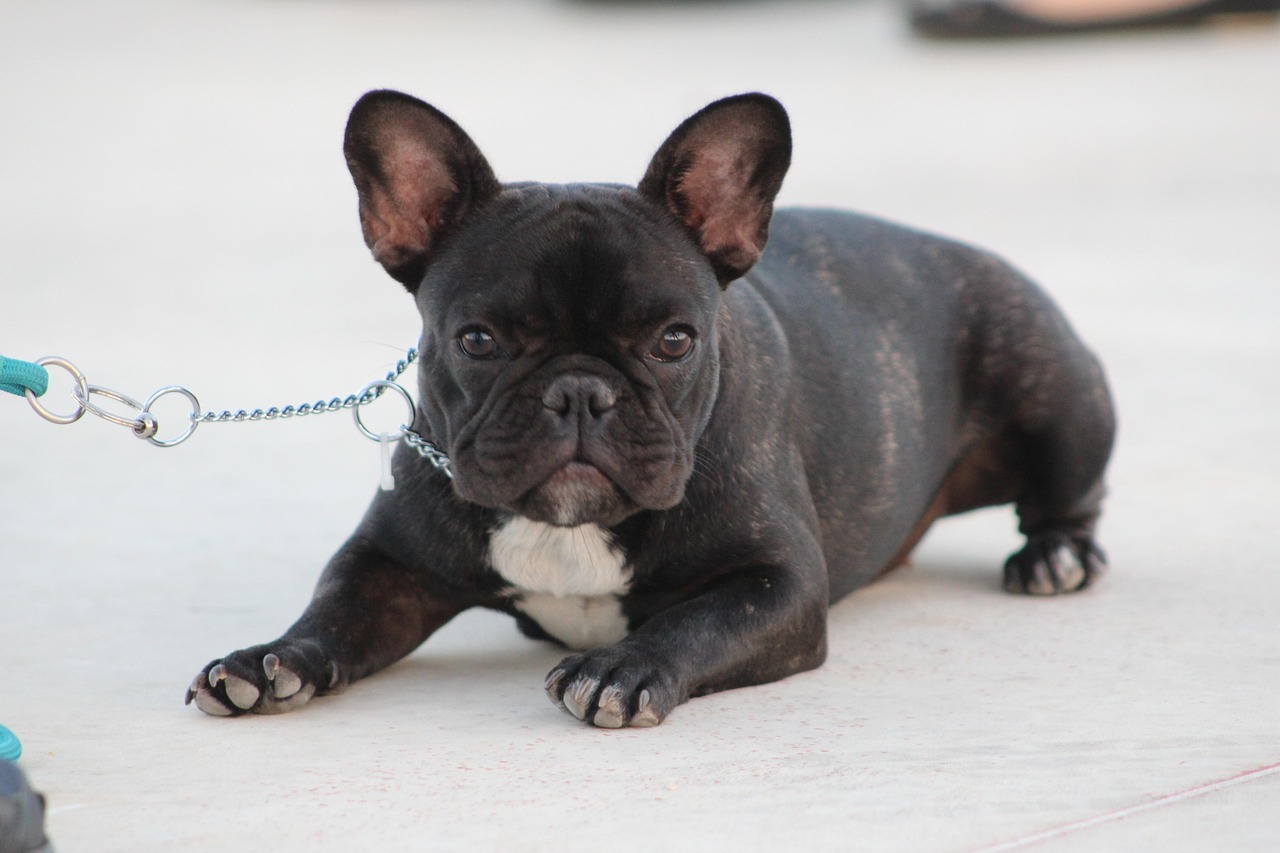

The Best Age to Start Socialization Classes for Your Dog
Socialization is a crucial element in your dog’s development, shaping their behavior and attitude towards other animals and humans. The best time to start socialization is during the critical socialization period, which typically occurs between three and fourteen weeks of age. At this early age, dogs are naturally more receptive to new experiences and can better adapt to different environments. Introducing your puppy to various stimuli will promote confidence and reduce the likelihood of behavioral issues later in life. Classes that focus on socialization often include puppy playdates, exposure to different types of people, and other dogs, enabling your pet to build a strong foundation. Starting early helps your dog learn appropriate behaviors, like play styles and behavioral cues. Overcoming shyness or aggression is easier when they are exposed to positive interactions at a younger age. Remember, socialization is not just about meeting other dogs; it involves exposure to different sounds, sights, and experiences. Be proactive, and ensure your puppy is positively introduced to these elements during their formative months to prevent fear and anxiety later in life.
After the critical period, it is still possible to teach socialization in older dogs, although it may require more effort. Adult dogs can sometimes develop fixed behaviors or fears that stem from a lack of early socialization. Notably, this can lead to anxiety in new or unfamiliar situations. Therefore, incorporating socialization classes during adulthood can be beneficial. Here, gradual exposure to other dogs, various environments, and new experiences can help your older dog adjust and feel more comfortable. Trainers often recommend starting with controlled environments where the dog can feel safe. Using clicker training during these classes encourages positive reinforcement, helping your dog associate new experiences with enjoyable outcomes. Participating in socialization doesn’t just benefit your dog; it also creates bonding opportunities between you and your pet. Make sure to attend classes that match your dog’s personality and comfort level. Watch for signs of stress, and adjust the pace as necessary. It’s essential to be patient and provide encouragement as your dog learns to navigate new experiences, people, and environments while developing proper social skills.
Benefits of Early Socialization
There are several key benefits that early socialization brings to your dog’s life. One of the most apparent advantages is the reduction of fear-based behaviors as your dog matures. Socialized puppies are less likely to develop phobias or reactive behaviors when they encounter unfamiliar situations. Additionally, well-socialized dogs tend to perform better at dog parks and are easier to manage on the leash while out for walks. They are also more adaptable to changes in their environment, whether that be a new home, family member, or even a move to a different state. Another critical benefit is the development of a more balanced temperament and reduced stress levels during unexpected situations. Puppies who have been properly socialized are more likely to approach new experiences confidently rather than with fear or aggression. Ultimately, these benefits contribute to a happier, healthier dog. Engaging in training and socialization classes is not only advisable but should be encouraged for dog owners aiming to provide a well-rounded upbringing for their pets. Consider conferences and events aimed at responsible dog ownership to further enrich your dog’s learning journey.
Many dog training programs cater specifically to the needs of dogs at different ages. Age-appropriate classes are essential as they address the unique developmental needs of puppies, adolescents, and adult dogs. Puppy classes typically focus on positive reinforcement, teaching essential commands and fostering good manners. As puppies start to interact with various dogs and people during these sessions, they will learn the importance of body language and communication. For adolescent dogs, classes shift slightly to emphasize impulse control and social etiquette. Adult dogs, on the other hand, often need classes that reinforce basic training skills while tackling behavioral problems that may have developed due to lack of social exposure in their earlier years. However, keeping classes engaging, fun, and interactive is essential for effective socialization. Look for programs that allow dogs to learn through play and positive interactions, as this makes a significant contribution to your dog’s overall development. Research local training centers and trainers, specifically those with a reputation for creating positive learning environments for dogs of all ages.
Your involvement in training classes is also critical for your dog’s progress. As a pet owner, your attitude can influence how your dog reacts to new experiences. Be an active participant in your dog’s socialization classes—this means becoming engaged during lessons and practicing at home. The techniques and exercises you learn not only help reinforce behaviors but also build a strong bond with your pet. Dogs naturally look to their owners for guidance and trust, so providing consistent commands and support during training will encourage them to embrace new lessons. Engage fellow participants, share experiences, and even discuss training strategies after class. Understanding you are part of their learning journey enhances your dog’s experience and helps create a community around effective dog ownership. Plus, it caters to your social needs as a pet owner, as you can meet other dog lovers and increase your network of support. Finding a group of those who understand the challenges and joys of dog ownership contributes to a holistic approach to socialization.
Common Misconceptions About Age
Many dog owners believe that socialization efforts are only necessary during puppyhood, leading to misconceptions regarding the correct age to start socialization classes. While it is critical to start socialization early, this does not imply it is a one-time or limited process. Adult dogs can also benefit greatly from additional socialization efforts. The idea that socialization must occur only during a fixed window can cause dog owners to become discouraged. Adult dogs can learn and adapt, but it may take more patience and an understanding of their individual needs. Expanding social horizons is feasible for dogs of all ages. Always remain open-minded about what socialization means for your dog. Keep in mind that every dog’s journey is unique, and adapt your training plan to accommodate their personality. Consequently, work on providing a supportive environment during classes that encourages active engagement from your dog. This way, every participant, young or old, can thrive and develop into friendly, well-adjusted companions, proving that the journey of socialization never really ends.
In conclusion, the best age to start socialization classes for your dog largely depends on their individual development and existing behavioral traits. Early socialization is integral to shaping a well-adjusted canine companion, but adults also have the potential for growth and change. By researching local socialization programs, prioritizing engagement, and remaining patient with your dog, you can foster an enjoyable experience that enhances their social skills. Continuous support and learning can go a long way in promoting positive interactions and behaviors. Consider enrolling in classes that are tailored to meet your dog’s needs at various stages of their lives. Additionally, embrace the sense of community amongst other dog owners—this shared experience often provides invaluable insights and bonding opportunities beyond the training environment. As your dog grows, consistently revisiting socialization techniques and exposing them to various environments is crucial. Ultimately, having a well-socialized dog contributes not only to their happiness but also results in a better experience for both the pet owner and the community at large.
Resources for Effective Socialization
Engaging with your dog in socialization doesn’t have to feel overwhelming. Many resources are available to guide you through this process, from local classes to books and websites dedicated entirely to dog training. Seek recommendation for a reputable dog training facility that emphasizes socialization for varied age groups, ensuring quality instruction. Reading materials such as “The Culture Clash” by Jean Donaldson and “Before You Get Your Puppy” by Ian Dunbar provide comprehensive insights into canine behavior. Online resources like APDT (Association of Professional Dog Trainers) offer a wealth of information regarding training practices and class recommendations. Connecting with local dog trainers can also be beneficial; they often provide insight into what works best for your dog’s age and temperament. Regularly attending meetups for dog lovers in your area can facilitate socialization opportunities for your pet while fostering connections between dog owners. Ultimately, thorough research and community involvement can enhance your dog’s socialization journey, creating mutual understanding, and encouraging positive growth through invaluable resources.