
The Importance of Hydration in Supporting Senior Cat Cardiovascular Health
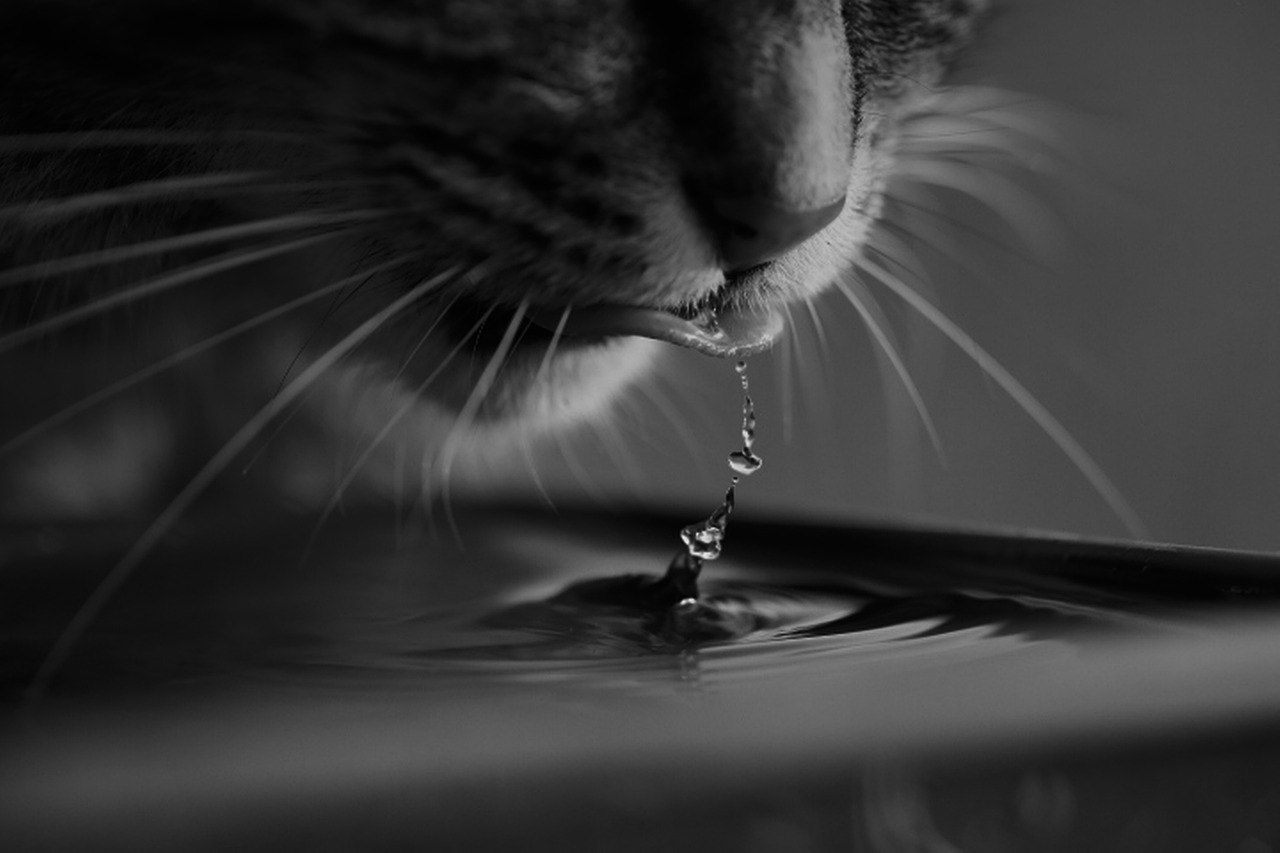
As our feline companions age, their health and hydration needs change dramatically. It is not uncommon for senior cats to experience various health issues, primarily regarding their cardiovascular system. Keeping them adequately hydrated is essential for supporting heart function. Dehydration is often overlooked as a significant health risk for senior cats, but the truth is that without sufficient fluid intake, their risk of developing heart-related problems may significantly increase. When senior cats become dehydrated, their heart must work harder to pump blood. This increased workload can lead to serious cardiovascular issues over time. Encouraging water consumption should be a priority for every cat owner. Providing fresh, clean water at all times is essential. Additionally, offering wet food can help with hydration, as it contains more moisture than dry food. Furthermore, using cat-friendly water fountains can entice them to drink more frequently, as many cats prefer flowing water. Consider adding flavor enhancers like tuna juice for more appeal. Each little step towards increased hydration could lead to healthier hearts for your beloved senior cats.
Signs of Dehydration in Senior Cats
Identifying signs of dehydration can be crucial in maintaining cardiovascular health in senior cats. Look for symptoms such as dry gums or a reduction in skin elasticity. If you gently pinch the skin on the back of your cat’s neck and it doesn’t quickly return to its original position, this can be an indication of dehydration. Other signs include lethargy, sunken eyes, and a decrease in appetite. Each of these symptoms signals that your cat might not be getting enough fluids, compromising their overall health, especially heart function. Always monitor your senior cat’s drinking habits closely. If you notice any of these concerning signs, it is advisable to consult your veterinarian immediately. They can assess the level of dehydration and recommend appropriate treatments or adjustments to your cat’s hydration strategy. Implementing routine check-ups can also ensure you catch any issues early. Remember, hydration should be a constant in your caregiving routine, especially for senior cats with specific heart health needs. Prioritizing your feline friend’s hydration can set a strong foundation for their aging body.
Many cat owners are often unaware that senior cats may have dietary changes that could impact hydration levels. Cats are obligate carnivores, but their preference for dry food can lead to challenges in hydration. As they age, the desire or ability to drink may diminish, which complicates hydration further. Thus, it is essential to evaluate their diet and identify changes that could improve fluid intake. Offering foods with higher water content, such as canned options, not only provides nutrition but also enhances hydration. Moreover, consider experimenting with different textures and flavors to entice your feline friend. If your cat has become picky due to age or health changes, you may need to get creative. Mixing wet food with a small amount of water or broth can be an excellent strategy to promote hydration. When transitioning diets, do so gradually to minimize gastrointestinal upset. Ensuring that your senior cat receives sufficient hydration should never be overlooked. The food choices you make can directly impact their ability to hydrate and subsequently their cardiovascular health. Monitor their response to dietary changes closely for the best outcomes.
The Role of Supplements in Hydration
Using supplements to enhance hydration in senior cats can be highly beneficial. Certain supplements may help increase fluid levels in their bodies, potentially supporting cardiovascular health. Omega-3 fatty acids, commonly found in fish oils, can contribute to heart function positively. These fatty acids assist in reducing inflammation, which can thus help promote better blood circulation. Additionally, some liquid nutritional supplements can provide essential nutrients along with hydration. Consider discussing specific supplements with your veterinarian, focusing on those designed for senior cats. The added benefits of supplements can not only help increase hydration levels but also support other aspects of health, such as mobility and energy. Proper hydration can lead to less stress on the heart. Another useful supplement is electrolyte solutions specifically designed for cats. These solutions can enhance hydration effectively and are especially useful if your cat is dehydrated. Always introduce any supplement gradually to allow your cat’s body to adjust. Monitor their reactions closely, and adjust accordingly to ensure a smooth transition and maximum health benefit from these targeted solutions.
The environment plays a significant role in a senior cat’s hydration status as well. The temperature can impact how much water they may feel inclined to drink. Hot or humid conditions may necessitate higher fluid intake, as dehydration can occur more rapidly. Conversely, in cooler climates, many cats may drink less water, particularly if they are indoors most of the time. Ensuring that your home maintains a comfortable and regulated temperature can help motivate your senior cat to drink adequately. Creating a quiet, comfortable drinking space can also enhance the likelihood of your cat drinking. Avoid placing water bowls near litter boxes or litter areas. Position them in spots that are easily accessible yet quiet. If you have multiple cats, consider providing separate water sources to minimize competition. Additionally, regularly changing the water will keep it fresh and appealing. Offer a variety of bowl types and materials—for instance, some cats prefer ceramic over plastic. Exploring environmental changes to optimize hydration can be just as important as adjusting dietary consumption to support their cardiovascular health.
Routine Health Check-ups
Regular veterinary check-ups must not be neglected for maintaining your senior cat’s cardiovascular health. These visits can offer insights into their overall hydration status and any potential health issues arising from dehydration. Veterinarians can perform tests to assess hydration levels and heart function, allowing for early intervention if necessary. Senior cats can be prone to hidden ailments that may escalate rapidly if not identified during routine visits. Many times, veterinary professionals conduct blood work to give a clearer picture of a cat’s internal health, assessing kidney function, electrolyte levels, and other essential markers indicative of hydration quality. Consulting on the best hydration strategies tailored to your cat’s specific needs is essential. Your vet may recommend solutions based on health assessments. If kidney problems or heart disease risks are identified, more specific hydration protocols can be outlined. The frequency of check-ups might need to be adjusted based on the age of your pet. Making these visits a priority is a proactive approach to their well-being, ensuring they maintain optimal hydration and overall health.
Lastly, as a loving cat owner, awareness and patience are vital. Adjusting to the hydrating needs of a senior cat can be both challenging and rewarding. Cats often develop their unique habits and preferences as they age, and accommodating these preferences will require time and understanding. Success in encouraging your senior cat to stay hydrated significantly influences their cardiovascular health and happiness. Creating a routine that includes hydration checks after meals and during playtime can make a marked difference. Offering alternative hydration options such as ice cubes in their water or frozen treats during hot weather can also promote fluid retention. Every effort made in enhancing their hydration contributes to their quality of life, particularly for senior cats. Consider becoming an advocate for frequent hydration checks just as you would for your own health at this crucial stage. The investment in their hydration and heart health will pay off with continued love and companionship for years to come. Always remember that a hydrated cat is a happy cat, which leads to a healthier and longer life.