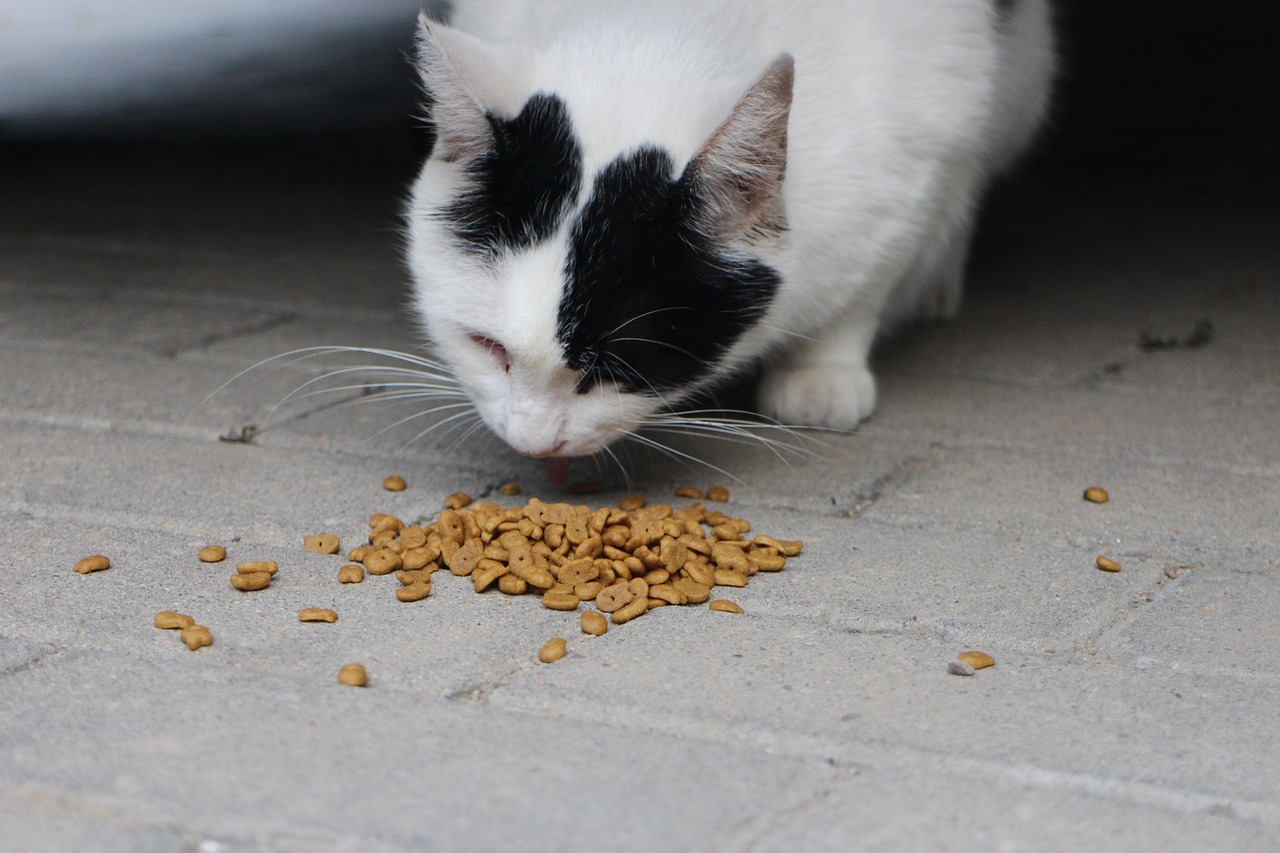

Allergic Reactions to Cat Food: Symptoms and Solutions
Food allergies in cats can manifest in various unpleasant symptoms, which can be distressing both for the feline and its owner. Symptoms often include itching, inflammation, and digestive issues. You might notice excessive scratching or grooming, leading to hair loss and skin infections. Cats may show redness, swelling, or even lesions on the skin. In addition to skin reactions, gastrointestinal disturbances such as vomiting and diarrhea are common. These symptoms can occur within a few hours after ingesting the allergenic food, making it crucial for pet owners to observe their cats closely. Eliminating one food item at a time can assist in pinpointing the specific allergen triggering these adverse reactions. Many pet owners overlook food allergies, often attributing the symptoms to other health issues, prolonging the cat’s discomfort. If you suspect a food allergy, consulting a veterinarian is essential for accurate diagnosis and treatment. Early intervention can pave the way for a better quality of life for your furry friend. By identifying the allergen through an elimination diet, you can help your cat return to a happy, healthy state, free from the irritations of food allergies.
Identifying and Managing Allergies
Managing your cat’s food allergies requires greater vigilance and dedication to ensure your pet’s well-being. Initially, keeping a detailed food diary helps track what your cat eats alongside any symptoms that occur. This method can provide invaluable insights into your cat’s triggers. Once patterns emerge, discuss these findings with your veterinarian, who might recommend allergy testing or specific elimination diets. Many hypoallergenic cat food options include alternative protein sources and highly digestible carbohydrates which may reduce allergic reactions. Transitioning to a new diet must be gradual to avoid further gastrointestinal upset. As you monitor your cat’s responses, remember that it takes approximately eight weeks to see significant improvements after switching to a hypoallergenic diet. Regular follow-ups with your veterinarian can help assess and adjust the dietary plan as needed. Additionally, maintaining a safe environment by preventing access to known allergens can be beneficial to your cat’s health. Understand that your commitment to managing these allergies can lead to significant improvements in your cat’s life, ensuring that you both enjoy each other’s company without the discomfort of reactions to harmful foods.
While observing symptoms in your cat, be aware that different cats may react differently to the same allergenic food. Some might show immediate reactions, while others could develop delayed responses that can complicate diagnosis. Be particularly cautious if your cat has a history of allergies, as these animals often exhibit heightened sensitivities. It is also valuable to educate yourself about common allergens in cat food, like beef, dairy, wheat, and fish. By understanding these, you can make informed choices when selecting your cat’s diet. Products labeled as grain-free can sometimes minimize allergic responses, although this solution may not work for every cat. When switching foods, research the ingredients and consult your vet to make the best decision. Always opt for high-quality cat food brands that provide transparency in their ingredient lists. A sudden dietary change may also lead to digestive upset; therefore, introducing any new food gradually is imperative. Your careful attention to your cat’s individual preferences and dietary needs plays a pivotal role in managing food allergies effectively.
Besides immediate symptoms, long-term exposure to allergenic ingredients can lead to more severe health issues in cats. Chronic inflammation caused by allergies can contribute to other complications such as skin infections, ear problems, and behavioral changes. These secondary issues may become debilitating if not addressed promptly. Beyond skin and digestive problems, allergies could also manifest in more subtle ways, like lethargy or changes in mood. Persistently tired cats might not be engaging in normal activities—being playful or interacting with family members—indicating underlying health issues. It is crucial to communicate these concerns to your veterinarian during checkups. They can evaluate overall health and recommend diagnostic tests to rule out or confirm food allergies. Investing in your cat’s nutritional health means reducing the risk of these adverse long-term effects. As a responsible pet owner, regularly updating your cat’s healthcare requirements should be prioritized. This vigilance ensures you catch any manifestations of allergies early on, thereby protecting your pet from unnecessary suffering or distress over time.
Nutritional Alternatives for Allergic Cats
Exploring nutrition options suited for allergic cats opens up a world of possibilities to keep your feline happy and healthy. Key to nutrition for cats with allergies is finding alternative protein sources that don’t trigger reactions. Consider special diets that feature duck, venison, or rabbit as protein sources. These lesser-known options can often provide a much-needed break from the common allergens previously mentioned. Consult with your veterinarian about trying these unique proteins, particularly if your cat’s condition has been chronic or severe. Furthermore, incorporating novel carbohydrates like peas or potatoes may add nutritional value without compromising your cat’s health. Always choose high-quality, limited-ingredient formulations for the best outcomes. Many pet food brands today cater to cats with food sensitivities, offering both dry and wet options. Keep in mind that even grain-free options may still contain other allergens, emphasizing the importance of checking labels. Your thorough approach to selecting your cat’s diet ensures they receive a balanced meal plan tailored to their specific needs, promoting recovery and improving overall health.
Apart from dietary adjustments, there are proactive measures you can employ to help alleviate your cat’s discomfort. Regularly bathing your cat with veterinarian-recommended oatmeal or hypoallergenic shampoos can help soothe irritated skin, providing relief from itching. Keeping your home clean by vacuuming frequently reduces dust and potential allergens in your pet’s environment. Washing your cat’s bedding regularly also plays a crucial part in minimizing exposure to allergens. Implementing air purifiers in your home could further promote a cleaner environment, filtering out harmful particles that might trigger allergies and respiratory issues. Furthermore, you might want to invest in specific flea prevention products, as flea allergies can compound food allergy problems. Continued vigilance in managing your cat’s environment can significantly improve their quality of life. Additionally, mental stimulation through play can distract your cat from itching, encouraging interaction rather than discomfort. Investing time and resources to enhance their living situation demonstrates your commitment to their well-being, showcasing your role as a caring pet owner.
When to Consult a Veterinarian
Recognizing when to consult a veterinarian about your cat’s possible food allergies is vital to ensuring a swift diagnosis. If your cat presents persistent symptoms such as itchy skin, consistent vomiting, diarrhea, or behavioral changes, it’s time for a vet visit. Early intervention is key, as prolonged symptoms can lead to further complications or chronic conditions that may require extensive treatment. During this consultation, ensure that you provide your vet with detailed information about your cat’s symptoms, diet, and any other health changes noted. They may perform diagnostic testing, which could range from skin tests to blood tests, and recommend an elimination diet. As the elimination diet progresses, it will be crucial to closely monitor any responses in your cat’s behavior or physical health. Follow-up appointments will allow for adjustments as needed based on your cat’s progress and ongoing symptoms. Remember that your proactive approach is the first step toward improved health for your feline friend, laying the groundwork for a well-planned dietary strategy and management plan that aids their recovery.
Ultimately, managing food allergies in cats is a multifaceted endeavor requiring careful attention and dedication. The journey begins with awareness of symptoms and personal commitment to a diet that excludes allergens. Collaborating closely with your veterinarian streamlines this process, permitting a tailored and strategic approach to your pet’s nutritional needs. Recognize that food allergies can impact your cat’s quality of life, making it essential not to dismiss symptoms as normal behavior. By fostering a proactive attitude regarding your cat’s health, including a vigilant dietary review and environmental control, you can significantly enhance their wellness. Changes might take time, but both you and your favorite feline will likely reap the benefits of your diligent efforts. Remember that support resources are available for pet owners, including educational materials from veterinary organizations and forums for sharing experiences. Ultimately, a well-informed approach empowers you to safeguard your cat’s health, forging a happier, healthier life together. Your furry companion depends on you, and by prioritizing their needs, you will foster a bond that thrives on mutual understanding and care.