Creating a Comfortable Environment for the Dam After Birth
Ensuring a soothing environment for a dam following the birthing process is crucial for her recovery and the well-being of her puppies. Begin by choosing a quiet and familiar location within your home, such as a designated whelping box. The area should be warm, free of drafts, and secure from disturbances, creating a safe haven. Consider using soft bedding, like towels or blankets, to add comfort and insulation. It is essential to change the bedding regularly to maintain hygiene, especially after the dam starts cleaning her puppies. Providing proper ventilation while avoiding direct airflow is key to a cozy atmosphere. Consider adding a mild heat source, such as a heating pad, to keep the whelping area warm while ensuring it doesn’t overheat. Prepare for the dam’s nutritional needs by offering her easy access to fresh water and nutritious puppy food. Frequent hydration is vital, alongside a diet rich in proteins, vitamins, and minerals to aid recovery. Lastly, monitor her closely for stress signs; a calm environment with minimal noise and intrusion can significantly enhance relaxation and bonding with her newborns.
Post-whelping care for a dam focuses on her mental and physical well-being. After giving birth, the dam experiences significant hormonal changes that can affect her behavior. It’s vital to provide reassurance and gentle handling during this transition period. Spend time with her, speaking softly and engaging in gentle petting to build her confidence. Allow her to acclimatize to the presence of her puppies, offering her the ability to move freely between her offspring and the outside world. Provide moderate space to roam while ensuring she feels secure in her whelping area. Additionally, observing any changes in her health is critical for identifying potential complications, as decreased appetite or lethargic behavior could signal health problems. Schedule follow-up veterinary examinations to assess her recovery and the health of her puppies. Being attentive to her body language can help prevent anxiety, allowing her to adapt to motherhood seamlessly. Promptly addressing any concerns will contribute to a smoother recovery. Through attentive care and understanding, breeders can help the dam reconnect with her natural instincts while ensuring a nurturing environment for her puppies to thrive.
Nutritional Needs
The nutritional needs of a nursing dam are significantly heightened after whelping. Due to the demands of milk production, dietary needs must be addressed immediately post-birth. Transitioning her gradually to a high-quality puppy food can significantly influence her recovery and nursing capabilities. Puppy food is specifically formulated to contain higher protein and fat content to meet the energetic requirements of both the dam and her puppies. It’s vital to offer her meals multiple times a day, ensuring she has consistent energy without overwhelming her stomach. Keep fresh, clean water readily available, as hydration is critical when nursing. Dehydration can lead to lower milk production, impacting the health of her puppies. As nursing progresses, continue monitoring her body condition. If needed, supplements rich in calcium can be provided to prevent potential deficiencies that breastfeeding may cause. Always consult a veterinarian before introducing any new diet or supplements. Maintaining a proper feeding routine ensures that her nutritional intake meets the elevated demands of motherhood, thus securing the well-being of her puppies as they grow.
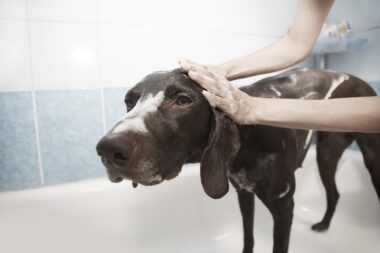
Maintaining proper hygiene in the whelping area enhances the health of both the dam and her puppies. After each feeding, ensure that the area is kept clean to reduce the risk of infections, which can be detrimental to newborns. Puppies are particularly vulnerable during their first weeks of life, so cleaning must be both thorough and gentle. Dispose of any soiled bedding quickly, replacing it with fresh material. Use non-toxic cleaners to wipe down surfaces, ensuring the dam and her puppies are exposed to safe environments. A clean area helps minimize the risk of parasites and bacteria, which can compromise the health of the dam and her litter. Observe the dam as she tends to her pups and offer assistance if she shows signs of distress or confusion. A critical part of hygiene is also monitoring the health of each puppy, detecting any signs of illness or developmental issues promptly can be lifesaving. Regularly checking temperatures and monitoring their weight can provide insight into their health and development. Create a dedicated space for bathing or cleaning to ensure the dam can maintain her hygiene without excessive stress.
Social Interaction and Bonding
Facilitating social interaction and bonding between the dam and her puppies is essential during the early days post-whelping. Encourage the dam to spend quality time with her puppies, guiding her through sessions of gentle play and affection. During these early weeks, the bond formed between mother and her offspring influences the puppies’ socialization as they grow. Observing the dam interact with her puppies provides insight into their developmental needs, as mothers instinctively teach their young important social cues. You can help this process by offering brief periods of human interaction, allowing her the opportunity to acclimatize to other animals and humans. Maintain the atmosphere peaceful and calm. Avoid overwhelming the dam with too many visitors or disturbances; focus on creating an environment that nurtures a relaxed dynamic. While social interactions are essential, balance is also key, allowing for periods where the dam can rest and recuperate without interruption. By fostering a nurturing and quiet environment, you can help reinforce the critical bond between the dam and her litter, promoting healthy development and social behaviors as puppies age.
Post-whelping care is not solely focused on the immediate needs of the dam but also recognizes the emotional aspects of this significant life change. After giving birth, the dam may experience feelings of vulnerability or anxiety as she navigates her new responsibilities. Allowing her adequate personal space while providing comforting interactions is vital for her emotional health. Establishing a routine facilitates predictability, which can help reduce her stress levels. Be mindful of monitor her reactions to different stimuli and adjust the environment accordingly. Interact with her in a calm and confident manner, which establishes a reassuring presence. Engage in quiet activities around her, helping her develop confidence while nurturing her puppies. Gradually include opportunities for gentle exploration outside the whelping area to boost her mood. The connection she forms with her own litter helps her feel secure in her role as a mother and promotes emotional stability. Ultimately, a supportive atmosphere greatly contributes to her overall happiness and health. Many of these behaviors enhance the dam’s adaptability and her sense of joy in motherhood as she nurtures her puppies.
Veterinary Care and Monitoring
The importance of veterinary care during the post-whelping period cannot be overstated. Frequent health checks are indispensable for ensuring an optimal recovery for the dam and her puppies. Schedule a post-whelping examination within three days to evaluate the dam’s health post-birth. This veterinary visit allows for assessments of her health and the health of her puppies. Blood work may be necessary to monitor hormone levels and check for potential infections. Discuss any concerns with your veterinarian, especially regarding the dam’s behavior and appetite. During nursing, set up a protocol for monitoring puppies’ growth trends and note any health changes, such as unusual behaviors or failure to thrive. Providing accurate information to the veterinarian assists in early detection of health issues. The dam should receive advice regarding vaccinations and deworming schedules for herself and her litter. Maintaining open communication with a veterinarian helps actualize a path for health and well-being post-whelping, ensuring both the dam and puppies receive the necessary support and care to thrive in their new life together.
In conclusion, post-whelping care is essential for the well-being of both the dam and her puppies. Creating a comfortable, safe environment significantly impacts the dam’s recovery and the puppies’ development. Focus on providing emotional support, appropriate nutrition, and monitoring their health conditions consistently. Breeders should aim for a balance of social interaction and personal time to help the dam adjust. Implement strict hygiene practices to reduce infection risks and uphold the overall health of the whelping area. Regular veterinary check-ups are crucial for monitoring health parameters and ensuring timely interventions if needed. With these practices, a dam possesses an environment conducive to bonding with her puppies. Additionally, it strengthens her ability to provide nurturing guidance throughout their formative weeks. By understanding the complexities of post-whelping care, breeders can foster healthier outcomes for both mother and litter. Ultimately, prioritizing care for the dam during this critical period ensures that both she and her puppies thrive in these foundational moments. Happy and healthy beginnings are the goal as you support your dam on her journey into motherhood.