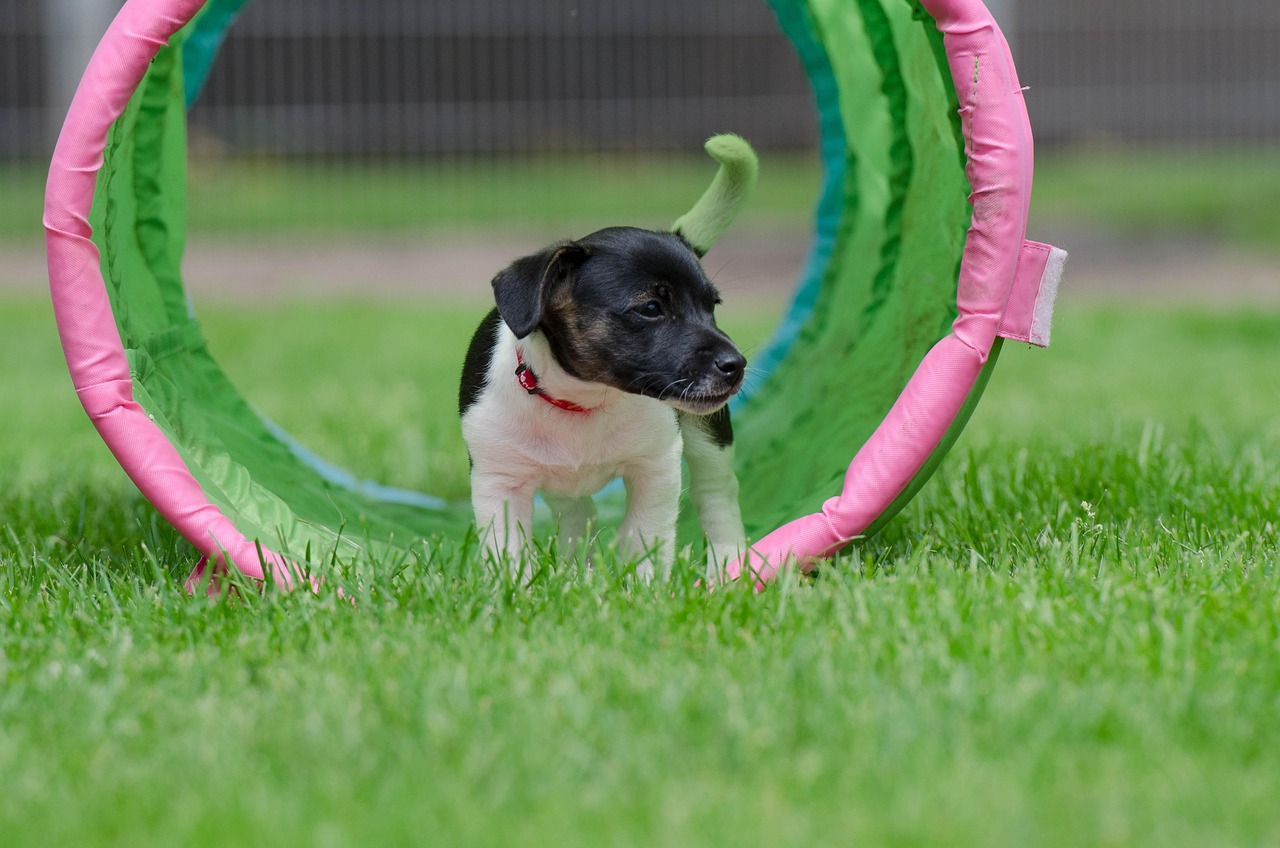

Puppy Socialization Basics for New Breeders
Socializing puppies is crucial for their development, making it an important aspect for new breeders. Early socialization helps puppies learn how to interact with different environments, people, and other animals. This period generally begins between three to fourteen weeks of age, which is a time of crucial emotional and social development. Engaging puppies in diverse experiences can help them become well-adjusted adult dogs. New breeders should focus on introducing puppies to various sounds, smells, and sights they will encounter in their future lives. This exposure helps reduce fear and anxiety and gives puppies confidence in new situations. Positive experiences can significantly impact their behavior and temperament as they mature. Breeders should encourage visitors to handle and play with the puppies, fostering an opportunity to observe how they react to different stimuli. Furthermore, visiting parks and other public places can provide valuable social exposure. Well-socialized puppies can adapt more easily to changes in their environment, making them more pleasant companions. This early investment in training and exposure pays off in the long run as these puppies develop into well-rounded adult dogs. Understand the importance of these efforts to create beneficial outcomes.
The critical window for socialization is time-sensitive, meaning that missed opportunities can lead to lifelong issues. Breeders must act promptly, taking advantage of this prime developmental stage. Engaging interactions during this time improve pups’ adaptability, ensuring they handle unexpected situations better. If dogs experience a lack of positive social interactions early on, they may develop phobias or aggressive behaviors as adults. It’s recommended to have structured socialization sessions, involving both play and supervised interactions. Using positive reinforcement techniques enhances experiences, allowing for safe exploration alongside rewards when the puppy behaves positively. Breeders can organize playdates with friendly, vaccinated adult dogs, which can bolster positive experiences and teach appropriate canine behavior. Moreover, introducing puppies to various environments including urban settings, quiet parks, and workplaces can diversify their experiences. This approach fosters confidence, gently desensitizing them to potentially stressful stimuli. New breeders should document these experiences to track the puppy’s progress and reactions, adjusting socialization strategies accordingly. By doing so, they create trustful and sociable dogs that thrive among both peers and humans. Proper socialization ensures a happy, well-adjusted pet that can enjoy life to its fullest potential.
Choosing the Right Experiences
When introducing new sensations, breeders must ensure the experiences are positive and non-threatening. Start slowly; allow puppies to engage with one new experience at a time. Gradually increasing the complexity of interactions can prevent overwhelming pups, allowing them to build confidence. It’s essential to observe their body language, as it can reveal comfort or stress levels. If a puppy shows signs of fear, it’s critical to reassure them and possibly retreat to a familiar environment before trying again. Diverse environments include bustling areas such as markets, family gatherings, or small pet-friendly cafes. Colorful visuals, different flooring textures, and various sounds help enrich their experiences. Besides other dogs, exposing them to people of different ages and backgrounds is beneficial as it teaches tolerance. New breeders should remember that careless introductions may lead to negative associations, so patience is paramount. Always reward positive reactions with treats or praise to reinforce desirable behavior. Introducing puppies to a variety of places before they’re overly influenced by fear prepares them for encountering new situations throughout their life. Proper management is integral to nurturing well-rounded puppies, who become balanced companions in adulthood.
Moreover, the role of play in socialization cannot be overstated. Play aids in developing healthy interactions and communication skills amongst puppies. Engaging with other puppies during playtime teaches them about appropriate dog etiquette. They learn boundaries, bite inhibition, and how to calm themselves and others if overstimulated. Pairing play with short training sessions enhances their focus and responsiveness. Breeders should also guide the puppies through different types of interactions—gentle encouragement during play fosters confidence while teaching restraint. Socializing also involves teaching puppies how to behave in various scenarios. New breeders should introduce crate training and leash walking during socialization outings, which ensures future ease in public spaces. Gradual exposure to handling and grooming routines can also reduce anxiety later on in life. Practicing might include touching the paws, ears, and tail gently—always associating these actions with positive experiences, such as treats or cuddles. Remember that consistency and patience are key for both trainers and puppies alike. Keeping sessions short and enjoyable is vital for maintaining enthusiasm and comfort. This targeted approach will also nurture trust and cooperation, creating a harmonious relationship between breeders and their dogs.
Importance of Continued Socialization
Once the initial socialization window closes around fourteen weeks, it doesn’t mean the socialization process ends. Continued exposure to new experiences, sounds, and sensations is crucial throughout the first year or beyond. New breeders should remain proactive in introducing their pets to ongoing social opportunities, which mitigate fears surrounding unfamiliar surroundings or encounters. Attend training classes specifically tailored to young dogs; interacting with other breeds helps expand their social network. Classes provide socialization, supervision, and essential behavior training. Gradual exposure to equipment like crates and grooming tables remains important; introducing this early creates adaptability. Even common experiences like car rides can become positive throughout the puppy’s life with consistent practice. Parks, dog-friendly events, and outdoor adventures contribute towards reinforcing their social skills. Continual learning and exploration enhance puppies’ comfort levels, making them more resilient in stressful circumstances. Influencing a puppy’s growth trajectory through positive reinforcement, new interactions, and experiences builds strong and happy lifestyles. Building on early socialization lessons ensures that dogs mature into well-adjusted companions, embracing all that life presents happily. Breeders should enjoy this ongoing journey together, fostering a lasting bond with their furry friends.
Breeders should also observe the puppies’ behaviors during socialization efforts. Researching breeds can help identify tendencies—certain breeds may be more prone to cautiousness, which impacts how they socialize. Regular checkpoints through interactions can highlight strengths and areas needing improvement, allowing breeders to focus efforts where necessary. Keeping detailed notes assists in progression tracking, updating methods as needed. The ultimate goal remains the same: fostering puppies into social, healthy adults. Just as each puppy is unique, each socialization approach should be adaptable. Every puppy might respond differently to similar interactions, which requires employing varied techniques for effective learning. Expect setbacks occasionally, but don’t let them discourage progress. Introducing new experiences regularly helps to prevent fear from developing later. Continuous exposure is key, but patience is also vital—maintaining a calm demeanor during introductions reassures puppies. The more exposures they have, the better prepared they will be for unknown circumstances. Lastly, focus on enjoyment! Keeping sessions fun for both the puppies and the breeders will foster positive associations. A happy puppy builds a robust character and thrives amidst various experiences while finding joy in life’s adventures together. Enjoy these extraordinary moments of nurturing their growth!
Conclusion: A Lifelong Journey
In summary, puppy socialization serves as a foundation crucial for new breeders aiming to raise well-adjusted companions. These experiences contribute significantly to their growth and happiness throughout their lives. The earlier they receive positive exposure to various stimuli, the better chance they have of becoming stable adults. Following the specified practices will help ensure new breeders do not miss vital opportunities between three to fourteen weeks, as this is the most sensitive period for their behavior. Establishing routines that incorporate diverse experiences prepares puppies to tackle future challenges. Engaging with other animals, people, and different environments establishes confidence and promotes a positive outlook on life. Consistency and patience remain vital in fostering enriching interactions while maintaining joy and enthusiasm for both parties involved. Documenting and adjusting strategies based on each puppy’s behaviors and warmth ensures tailored approaches yield best results. Over time, these techniques will transform cautious puppies into active, adjusted companions ready to face the world. The commitment to their growth becomes a rewarding journey that bonds breeders and their furry friends. Ultimately, socialization forms the bedrock of every successful breeding endeavor.
New breeders must embrace the importance and versatility that proper socialization provides throughout each puppy’s developmental stages. Enjoying the experience alongside their furry companions helps cultivate meaningful relationships that blossom over a lifetime. Creating positive memories fosters a solid bond, making the responsibilities of breeding rewarding. When dedicated to nurturing well-rounded puppies through various skills, these companions will one day contribute to their lifelong joy. New experiences create a solid foundation for future interactions and can lead to a fulfilling and balanced life with each puppy. Emphasizing fun, engagement, and balance during these formative stages is essential for future success. With proper techniques implemented wisely, new breeders can achieve amazing outcomes while forming deeper connections with their pets. Together, they embark on a lifelong adventure characterized by love, loyalty, and companionship. Reflecting on this journey, they will appreciate how the time invested translates into joy for both humans and dogs alike. Effective socialization shapes not only their behavior but also strengthens their character, leading to happier homes and fulfilling lives. This lifelong commitment blossoms through understanding, fulfilling the breeders’ dreams as well as creating beautiful canine partners.