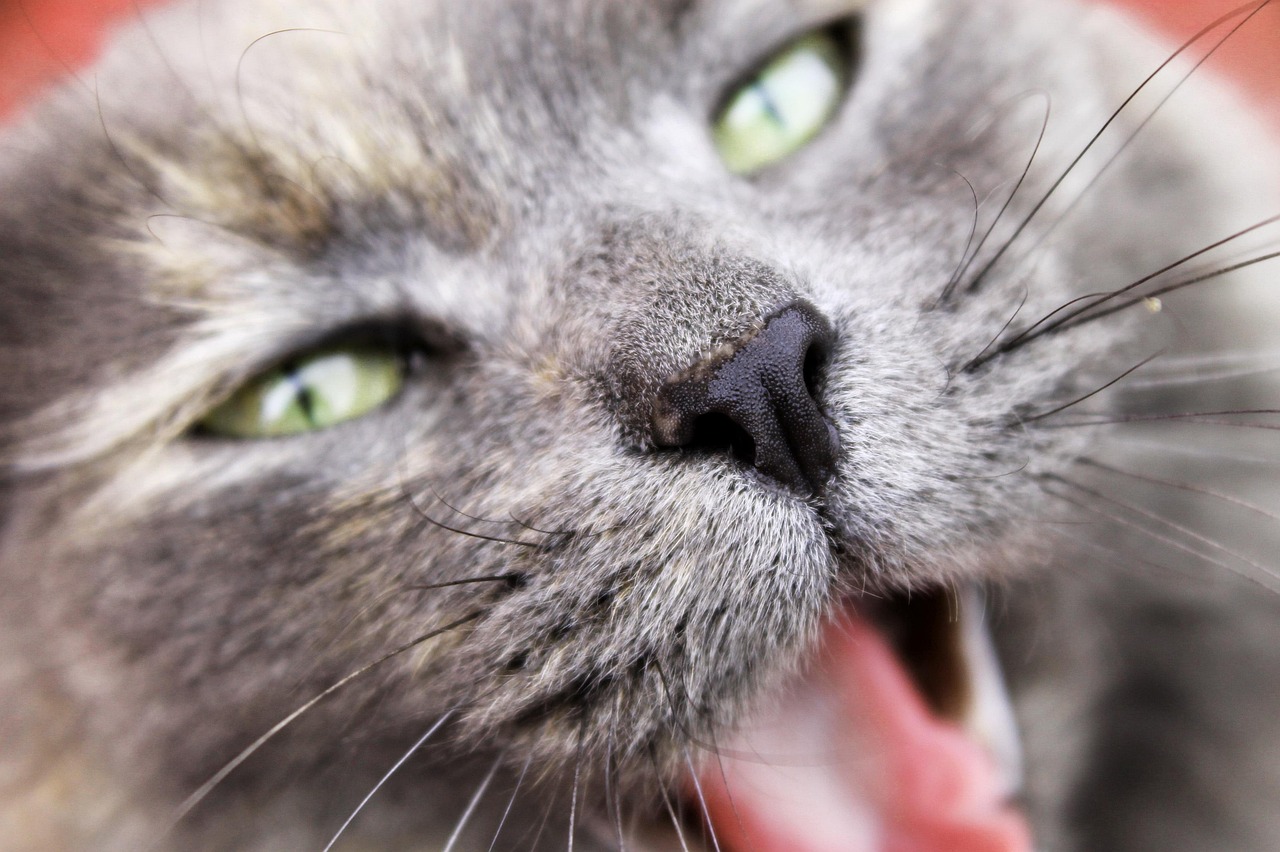

How Stress Influences Aggressive Behavior in Cats
Understanding how stress influences aggressive behavior in cats is vital for responsible pet ownership. Cats are sensitive creatures, and their reactions to stressors can manifest in various ways. Aggressive behavior often arises from fear, anxiety, or territorial disputes. A cat faced with a stressful situation may become defensive, interpreting threats around them as stimuli to react aggressively. Common sources of stress include changes in the environment—such as moving to a new home, the introduction of a new pet, or loud noises. These can provoke feelings of insecurity and lead to undesirable behavior. Observation of your cat’s body language is essential; flattened ears, a twitching tail, or hissing often indicate stress. Providing a safe and quiet space for your cat to retreat can help alleviate their stress levels. It’s important to recognize that early intervention can prevent a stress-induced aggressive episode. Regularly engaging in playtime and allowing your cat to express itself can also reduce stress. Active management of the environment ensures your cat feels secure, which minimizes the potential for aggression toward owners or companions.
Alongside environmental factors, understanding the relationship between stress and aggressive behavior also necessitates examining the cat’s socialization history. Cats that haven’t been properly socialized may react more aggressively due to fear of unfamiliar situations or individuals. It’s crucial to introduce your cat to various stimuli gradually, such as different people, pets, and noises. Gradual exposure helps build confidence and reduces the chances of an aggressive response when faced with new experiences. Kittens are particularly receptive to socialization, and early experiences can shape their behaviors as adult cats. Implementing positive reinforcement strategies during this process can foster a sense of safety. Rewards such as treats and playtime for calm behavior encourage positive associations with previously stressful stimuli. Additionally, providing consistent routines and familiar environments plays a role in managing their stress levels. Changes to daily schedules or unfamiliar visitors can lead to feelings of instability for a cat. Establishing predictability can enhance their security, minimizing aggressive tendencies. Owners must remain patient and observant. Keeping a close eye on behavioral patterns enables timely responses to stress, ensuring a happier, less aggressive feline.
Recognizing the Signs of Aggression
Recognizing the signs of aggression in your cat is pivotal to managing behavior effectively. Aggression can be displayed through various forms, including vocalizations, body language, and physical actions. Common vocal signs include hissing, growling, and yowling, which are often warning signals indicating that your cat feels threatened or uncomfortable. Body language plays a crucial role as well; look for flattened ears, dilated pupils, or puffed-up fur, all of which suggest agitation or fear. Clinically, if your cat suddenly starts swatting or biting, it can be significantly distressing. These aggressive actions often occur in response to perceived threats or during play that escalates beyond acceptable boundaries. Understanding the context in which these behaviors arise provides insight into underlying stress factors. Sudden behavioral changes should also be assessed. If your previously friendly cat becomes withdrawn or aggressive, it may indicate stress or illness. Monitoring your cat closely can aid in recognizing new triggers. By documenting instances of aggressive behavior, you can identify patterns that help resolve the underlying issues fueling your cat’s aggression.
To help mitigate stress-induced aggression, creating a safe environment within your home can significantly contribute to your cat’s well-being. Providing plenty of vertical spaces, such as cat trees or shelves, allows your cat to feel secure and in control of their territory. Cats often prefer to observe from a height, which can reduce anxiety levels. Additionally, ensuring that there are multiple hiding spots, like boxes or blankets, can provide comfort when they feel threatened. The use of pheromone diffusers may also help in promoting a calming atmosphere. Products infused with synthetic pheromones are designed to mimic those naturally produced by cats to reduce stress. Creating a structured daily routine can reduce uncertainty for your feline friend. Feeding, playtime, and grooming should occur at consistent times to instill a sense of normalcy. Always remember that some cats require more time than others to adjust to changes. Patience, combined with environmental enhancements, fosters healthier emotional states and minimizes aggressive behavior. Ultimately, a thoughtfully curated environment caters to your cat’s instincts and promotes a harmonious relationship.
Intervention Strategies
Implementing intervention strategies is crucial in managing aggressive behavior stemming from stress. Behavioral modifications can significantly improve your cat’s interactions and overall disposition. One effective method is redirecting their focus during moments of aggression. Use toys to distract your cat when they begin displaying signs of aggression, channeling their energy positively rather than allowing the incident to escalate. Engaging them in interactive play can serve as an excellent outlet for their frustrations, reducing the likelihood of aggressive behavior. Reinforcing calm behavior through treats or affection can establish positive behavior patterns. Training sessions, even brief ones, can help your cat learn to associate positive experiences with previously stressful scenarios. Additionally, consider consulting with an animal behaviorist if your cat’s aggression remains unmanageable. Professional guidance offers tailored strategies best suited to your cat’s unique behavior. Medication may also be recommended in severe cases. Valuating your cat’s emotional health is of utmost importance; consulting your veterinarian can provide further insights into potential treatments if necessary. The goal is to create a balanced and reactive approach to ensure your cat feels safe while diminishing aggression.
In some cases, health issues might also contribute to your cat’s aggressive behavior. Physical pain or discomfort may lead cats to react aggressively to the slightest provocation as a defense mechanism. It is vital to have regular check-ups with your veterinarian to rule out any medical conditions contributing to behavioral issues. Conditions, such as arthritis, dental pain, or hyperthyroidism, can cause changes in how your cat interacts with the world. If your cat displays unforeseen aggression, a thorough veterinary examination can provide essential insights. Consequently, treating any underlying medical issues may alleviate not only the pain but also the associated aggressive responses. Monitoring your feline’s behavior post-treatment is equally important. Improvements in their physical health can translate into a marked reduction in stress and aggression levels. Additionally, always ensure to provide your cat with preventive care and a balanced diet, as these also influence general mood and behavior. Ultimately, an integrative approach—combining physical, emotional, and environmental strategies—can effectively manage and diminish stress-related aggression.
Long-Term Management Techniques
Lastly, incorporating long-term management techniques is vital for maintaining your cat’s emotional well-being and minimizing stress-induced aggression. Consistently providing a stimulating environment prevents boredom and frustration, leading to aggression. Incorporating a variety of toys, puzzles, and interactive outlets facilitates physical and mental engagement. Regular exercise is equally essential; playtime not only promotes physical health but also encourages positive emotional responses. Scheduled play sessions intersperse the day, allowing your cat to release built-up energy safely. Socialization, too, continues to play a crucial role in their long-term behavior management. Positive interactions with both humans and other pets foster a calm and confident demeanor in your cat. Make it a practice to gradually introduce new experiences, reinforcing calm behavior with treats and praise during the process. Monitoring your cat’s enrichment needs allows you to adapt activities as they age or change. Additionally, be vigilant for signs of stress and respond proactively to prevent triggers from resulting in aggression. By fostering an environment based on patience, understanding, and comprehensive care, you create the best conditions for a harmonious feline companion.
In summary, effectively managing aggressive behavior in cats requires a multifaceted approach, combining environmental adjustments, behavior modification, and potential medical interventions. Awareness of how stress impacts your cat’s behavior can empower you to create a supportive environment. Recognizing the signs of aggression is vital for implementing timely remedies. Providing safe spaces, engaging play, and consistent routines fosters an atmosphere of security and confidence. Additionally, observing potential health issues ensures any underlying problems are addressed properly. Regular veterinary check-ups, along with proactive behavioral management, diminish aggression while enhancing your cat’s quality of life. Long-term, an enriched environment that promotes safe exploration ultimately nurtures positive behavior. The journey to managing aggressive behavior is ongoing, requiring patience and understanding. Each cat is unique, and a tailored approach allows for positive transformations. By continually affirming your cat’s emotional health, you can cultivate a lasting companionship grounded in love and trust. Embracing these strategies ensures that your feline friend can live a happy, content, and less aggressive life, thereby enriching both of your experiences together.