
How to Clean and Maintain Your Dog’s Feeding Bowl
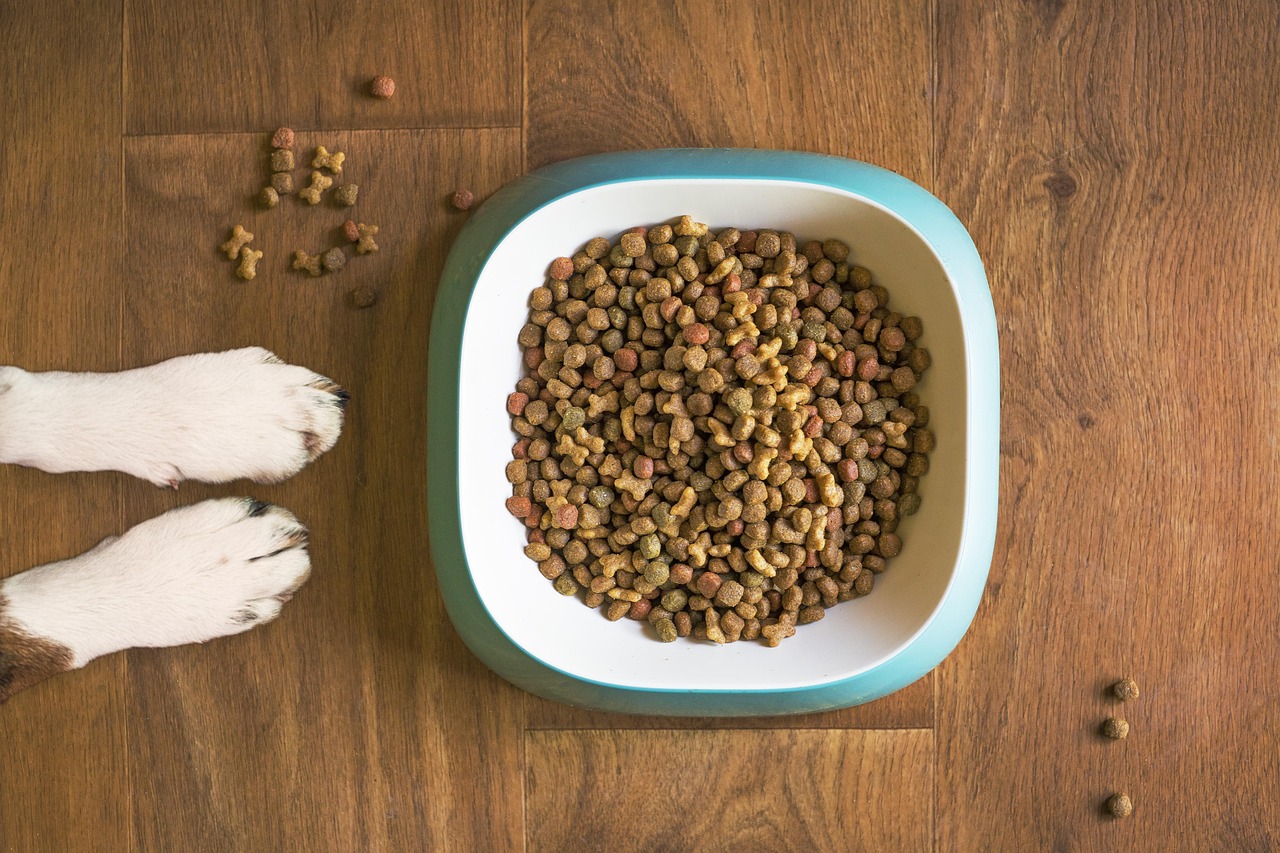
Keeping your dog’s feeding bowl clean is essential for their health and well-being. A dirty bowl can harbor bacteria that may affect your pet’s digestive system. Start by selecting the right material for the bowl; stainless steel and ceramic are preferred options as they are more hygienic compared to plastic. Wash the bowl daily with hot, soapy water to remove any food residue. Use a non-toxic dish soap to avoid harmful chemicals. Rinse the bowl thoroughly to ensure there is no soap left. Additionally, consider putting your dog’s feeding bowls in a designated area that is easy to clean. This will make it easier for you to maintain their cleanliness. If you notice any scratches or wear, replace the bowl immediately as these areas can trap bacteria. For deep cleaning, you can soak the bowl in a vinegar and water solution, which acts as a natural disinfectant. This should be done weekly to keep harmful germs at bay. Always dry the bowl completely to prevent bacteria growth. Lastly, keep an eye on your dog’s health for signs of gastrointestinal issues, which can indicate a need for better hygiene.
Besides regular cleaning, you should also monitor your dog’s food intake and the state of the food in the bowl. Make sure that you’re providing fresh food and water daily; stale food can lead to health issues. Implement a cleaning schedule where you clean the bowl at set times every day. It helps to get into a routine to ensure cleanliness. If you use a specific feeding schedule, align the cleaning routine with it. After each meal, throw away any uneaten food. This prevents the food from becoming spoiled or contaminated. If you have multiple pets, designate a unique bowl for each pet to avoid sharing, which can lead to the spread of bacteria. This is particularly important if one pet is ill. You might also want to invest in a bowl mat to catch spills and make cleaning easier. Choose a mat that is anti-slip to ensure stability while your dog eats, providing a comfortable feed time. Regular inspections of the bowls and mats will help maintain hygiene, creating a suitable feeding area for your dog. Encourage a clean environment; this will benefit not only your pet but also your home.
Understanding Different Materials
When selecting dog feeding bowls, consider the materials carefully as they significantly influence cleaning procedures. Ceramic and stainless steel are excellent choices because they are durable and resistant to scratches, which trap bacteria. Plastic bowls can be convenient but often harbor harmful bacteria in scratches that accumulate over time. If using plastic, choose high-quality varieties marked as BPA-free. Always inspect the bowls for any signs of wear or damage. Opt for non-porous materials, as they are easier to clean and maintain. For instance, ceramic bowls are not only aesthetically pleasing but are also dishwasher-safe. This means you can easily maintain hygiene with minimal effort. If you have the option, choose elevated bowls for larger breeds; they can make dining more comfortable for your dog and easier to clean underneath. Remember, each material requires different care techniques. Always follow the manufacturer’s care instructions for longevity. Research online for best practices and tips on maintaining specific bowl materials. Keeping your dog safe is paramount, so investing in the right feeding bowl material can prevent potential health issues.
Identifying the best cleaning products is also essential. Avoid harsh chemicals that can be harmful to pets. Instead, opt for natural solutions like baking soda or vinegar. Both are effective cleaners and pose minimal risk to your pets. After cleaning with these products, ensure you rinse the bowls thoroughly. It’s essential to remove any cleaning agent residue since dogs can be sensitive to chemicals. Also, consider adding cleaning dishes or scrubbing sponges routinely placed around your cleaning area. These should be designated solely for pet dish cleaning to minimize cross-contamination and include brushes for those hard-to-reach places. Maintaining the quality of the feeding bowl can contribute to your dog’s health, so make sure it’s a regular part of your routine. It’s also worth checking out various homemade cleaning solutions shared by pet enthusiasts online. These solutions are often pet-friendly and effective. Regular updates on best practices can help you stay informed on the latest hygiene tips for dog feeding bowls. Remember, a small amount of diligence in cleaning will pay off in your dog’s long-term health and happiness.
Signs Your Dog’s Bowl Needs Attention
As a dog owner, being aware of when your dog’s feeding bowl needs extra care is crucial. If you notice your dog hesitating or showing reluctance to eat, check the bowl for cleanliness. Discoloration, residual food, or foul smells are clear indicators that the bowl is overdue for cleaning. A visually clean bowl does not always guarantee it is free from harmful germs, so regular inspection and cleaning protocols are vital. Furthermore, inspect for scratches and chips, which indicate that the bowl should be replaced. Bacteria love to breed in these microscopic holes, making the bowl a potential health hazard. Another sign is your dog experiencing digestive issues. If your pet frequently vomits or has diarrhea, evaluate their feeding bowl hygiene for possible contaminants. Keeping a close eye on periods of illness can help catch issues arising from unclean feeding areas. Ensure a focus on proper feeding area hygiene by continually monitoring both the bowl and surrounding environment for cleanliness. Adapting a hands-on approach will instill healthier habits in both your pet and yourself, reinforcing the significance of proper cleaning techniques.
Avoid using the same bowl for both food and water, as switching between them can lead to contamination. Assign specific bowls for each purpose to maintain better hygiene. Moreover, regularly replace bowls that show wear and tear since they can harbor harmful bacteria despite cleaning efforts. If you’re unsure about the appropriate intervals for changing out your dog’s feeding bowls, consult your veterinarian for their recommendations. Understand that different breeds may have varying hygiene needs, and factors such as age, health status, and activity level may necessitate different approaches. By focusing on your dog’s individual needs, you can tailor a cleaning maintenance schedule that ensures optimal hygiene. Incorporating a reminder system for cleaning can also alleviate the chance of bowl neglect, contributing to a healthier lifestyle for your furry friend. Keeping your dog’s feeding environment tidy speaks to your commitment as a pet parent. Maintaining this awareness allows both you and your pet to enjoy mealtime without worry and helps you create a bonding space built on trust and comfort.
Conclusion on Feeding Bowl Maintenance
In conclusion, the upkeep of your dog’s feeding bowl is essential for their overall health and happiness. A clean bowl is the first step to preventing gastrointestinal issues and ensuring safe eating practices. Establishing a routine cleaning schedule helps keeps everything hygienic and minimizes the risk of contamination. By selecting the right materials, monitoring cleanliness, and keeping an eye out for signs of wear, you can ensure that your dog gets the best experience during feeding times. It’s important that every dog owner understands the significance of regular cleaning and correct maintenance techniques. Reassessing feeding practices regularly will aid in making informed choices about cleaning routines. Take pride in being a responsible pet owner; the investment in your dog’s health through cleanliness will show in their vitality and longevity. Engaging with fellow dog owners and experts can provide new insights or methods to enhance cleaning strategies further. Remember that maintaining a healthy feeding environment is one of the greatest gifts you can give to your pet. Strive for excellence in all that you do to provide the best care possible for your furry companions.