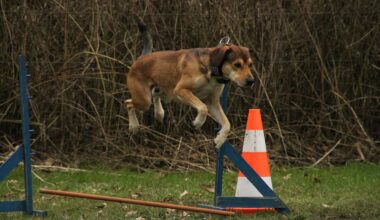

Innovations in Dog Training Technology: The Rise of Vibration Collars
In recent years, technology has made significant strides, impacting various industries, including dog training. Among these advancements are vibration collars, which have gained popularity due to their humane approach to training. Unlike traditional shock collars, which deliver electric shocks to dogs as a corrective measure, vibration collars utilize non-invasive technology by providing gentle vibrations. This method encourages dogs to respond positively without inflicting pain or distress. Dog trainers and owners alike are starting to recognize the benefits of using vibration collars as an effective training tool. By incorporating this humane technology, handlers can foster a better bond with their pets. The rise of vibration collars provides an alternative to outdated training methods and supports a more compassionate approach to correction. Consequently, manufacturers have embraced this change, producing a wide range of vibration collars designed for various training needs and dog sizes. Furthermore, many of these collars are equipped with customizable settings, allowing owners to tailor the level of vibration to suit their pet’s temperament and sensitivity. This versatility has led to increased acceptance and usage of vibration collars by dog owners everywhere.
As the market for dog training equipment continues to evolve, several key features make vibration collars a preferred choice among trainers. Many vibration collars come with adjustable settings, enabling trainers to modify the intensity of the vibrations based on the dog’s behavior and responsiveness. This feature ensures that each dog receives consistent and appropriate feedback during training sessions. Furthermore, modern vibration collars often include integrated training modes, such as beep, vibration, and static, allowing trainers to choose the most effective method for their dogs. In addition to various training modes, leading brands have developed user-friendly designs, incorporating waterproof materials and long battery life. Proper maintenance is essential for ensuring that the collar functions optimally and remains durable over time. Additionally, safety features have improved significantly, with some collars coming equipped with automatic shut-off capabilities. This ensures that the device does not harm the dog through extended use. Innovations in smartphone technology allow trainers to manage the collars via special apps, creating an enhanced user experience and greater control over their training sessions. Such advancements demonstrate that vibration collars are becoming a versatile and valuable tool in dog training.
Understanding the Benefits of Vibration Collars
The use of vibration collars offers numerous benefits that play a crucial role in shaping a dog’s behavior effectively. The system allows for clear communication between the dog and its handler, promoting an understanding of commands without physical punishment. This method can alleviate anxiety and fear often associated with traditional shock collars, thereby fostering a more positive training environment. Moreover, vibration collars are ideal for dogs that are sensitive to pain or have a low tolerance for discomfort. They provide timely feedback whenever undesirable behavior occurs, without causing harmful repercussions. Many trainers also find that using vibrations can help distract a dog during stressful situations, such as thunderstorms or fireworks, making the collar a multifunctional tool. Additionally, the adjustable settings contribute to a customized training experience for every dog, addressing individual needs and challenges. Many users notice observable improvements in their dog’s behavior after consistent use of vibration collars. This success can greatly enhance the bond between the owner and the pet, resulting in happier households and better social interactions for the dog. Vibration collars exemplify a new era in dog training that prioritizes humane treatment.
Proper usage of vibration collars is paramount for maximizing their effectiveness and ensuring a positive experience for both the dog and the owner. Initially, trainers should introduce the collar in a familiar environment, allowing the dog to associate the device with positive experiences. Through gradual exposure, dogs can grow accustomed to the vibrations and learn to respond accordingly. Consistency remains a critical aspect of using vibration collars, as it complements training sessions and reinforces command recognition. Users are advised to implement the collar alongside basic training commands initially, ensuring the dog understands the connection between its actions and the feedback received. In addition, regular practice in different settings further solidifies the dog’s training knowledge. Trainers should also take into account the individual dog’s personality, recognizing when to increase or decrease the vibration intensity based on their response. Patience is essential, as results may not be immediate, and positive reinforcement alongside the collar training will yield the most favorable outcomes. By employing best practices, owners can cultivate a meaningful training journey resulting in well-mannered, confident dogs.
Comparing Shock and Vibration Collars
The differences between shock and vibration collars have become a topic of discussion among trainers and dog owners. While both tools aim to improve behavior through external feedback, their methods and implications diverge significantly. Shock collars utilize electrical stimulation to elicit immediate responses from dogs. While these may yield quick results, they can lead to fear, anxiety, and unwanted stress in pets. Conversely, vibration collars provide a gentle corrective measure, promoting responsive training without adverse consequences. Another noteworthy distinction lies in the perception of these training methods among pet owners and trainers alike. Increasingly, pet enthusiasts prefer humane alternatives that reduce the risks associated with negative reinforcement. This transition has prompted innovative manufacturers to develop sophisticated designs for vibration collars, addressing concerns regarding safety and effectiveness. Furthermore, studies suggest that dogs trained with less invasive methods tend to have better retention of learned behaviors. The role of trainers also shifts significantly when using vibration collars, as they focus on encouragement instead of discouragement, leading to a healthier training dynamic. Overall, transitioning to vibration collars creates an environment conducive to positive learning and behavioral reinforcement.
Incorporating vibration collars into a dog’s training regimen can address common behavioral issues many owners face today. From excessive barking to pulling on the leash, these collars offer practical solutions that promote calm and obedience. For instance, trainers often employ vibration feedback as a gentle reminder for barking dogs, encouraging them to cease the behavior without causing distress. Similarly, during walks, owners may use vibrations to redirect their dog’s attention when they are prone to lunging or chasing after distractions. Many dogs find it challenging to focus in stimulating environments, where vibrations can serve as a helpful tool to guide their attention. Even for more sensitive dogs, the gradual introduction of vibration feedback as a cue can promote a more relaxed demeanor during situations that may induce anxiety. Vibration collars can also be beneficial in reinforcing positive behavior, such as sitting and staying when accompanied by training commands. By applying consistent vibrations as rewards, trainers can help dogs associate these actions with positive outcomes, solidifying their learning experience. As a result, vibration collars become vital elements in enhancing a dog’s overall behavioral training and adapting to various scenarios.
The Future of Dog Training Technology
The future of dog training technology seems promising, with advancements continuing to emerge in the industry. As trainers and manufacturers push to enhance the functionalities of training tools, vibration collars are at the forefront of this innovation. Future designs may incorporate artificial intelligence features that adapt training techniques to meet the individual dog’s needs comprehensively. With the rise of connected devices, the potential for developing smart collars that offer real-time feedback through smartphone applications is considerable. Innovations such as these would allow owners to track their dog’s behavioral progress, customize training modes, and access a wealth of training resources at their fingertips. Moreover, advancements in materials may lead to ultra-lightweight designs, improving the comfort for dogs during extended wear. Enhanced manufacturing processes could also boost durability, ensuring that training tools remain effective even with everyday use. As awareness surrounding dog behavior and training methods evolves, one can speculate further developments that prioritize humane approaches and scientific understanding of canine psychology. Ultimately, the evolution of dog training technology sets the stage for a brighter future, where dogs feel supported, understood, and connected to their owners during their learning journey.
With the increasing awareness of humane training practices, vibration collars have garnered positive recognition in the dog training community. Pet owners and trainers are increasingly prioritizing effective and ethical training solutions, aiming to build strong bonds with their dogs. As demand for these advanced collars rises, manufacturers are responding by creating innovative and user-friendly designs that cater to the varied preferences of dog owners. The future of dog training is undeniably leaning towards positive reinforcement methods, with a focus on technology that respects the wellbeing of pets. Through advancements in training equipment, a new generation of trainers is emerging, equipped with knowledge of effective humane techniques that transcend traditional training practices. As research continues to explore the impact of vibration feedback on canine behavior, the potential benefits are expected to grow, leading to even more advancements within the market. This shift encourages a broader acceptance of innovative training methodologies and an improved understanding of dogs’ emotional welfare. Overall, the movement toward vibration collars signifies a hopeful change in dog training, emphasizing compassion and the importance of building relationships with our canine companions, fostering healthier connections.