
Step-by-Step Guide to Teaching Children How to Use the ‘Find It’ Command
Teaching your children the ‘Find It’ command is a fun and engaging process that benefits both kids and their furry friends. Begin by choosing a specific object to hide, such as a favorite toy or treat of your dog. Use something that has a strong scent to guarantee engagement. Start in a distraction-free environment, where your child and dog can focus on the task at hand without interruptions. Explain to your child what ‘Find It’ means and how dogs rely heavily on their sense of smell to locate objects. Keeping it simple and clear enhances understanding. Show your child how to encourage the dog during this activity, using positive reinforcement and enthusiasm. To enhance engagement, let kids actively participate by hiding the object. Teaching the command becomes an inspiring bonding activity that nurtures the child’s connection to their pet. Use this opportunity to teach patience as dogs search for the item. As the dog finds the object, celebrate the achievement together, reinforcing the command’s effectiveness. This encouragement creates excitement, making your child more eager to practice the ‘Find It’ command frequently.
After you’ve introduced the command, gradually raise the difficulty level for the dog. Start by hiding the object in obvious places, such as in plain sight. Then, encourage your child to give the command ‘Find It’ and point towards the object. Praise the dog when it successfully locates the item. As your child gains confidence, challenge the dog by hiding the object in more complex locations, like under cushions, in another room, or behind objects. Remind your child to keep a positive tone and be patient. Use short training sessions to avoid overwhelming the dog and maintain engagement. It’s also beneficial for kids to practice proper behavior and rewards. Have them use treats or their voice to guide the dog. Focus on maintaining an upbeat and supportive atmosphere so the dog feels motivated. Additionally, remind your child that consistency is crucial. Using the command ‘Find It’ consistently during each session helps reinforce the learning process. Encourage them to practice regularly to boost both their skills and the dog’s understanding of the command. This consistent practice develops trust and communication between the child and their pet.
Incorporating Rewards into Training
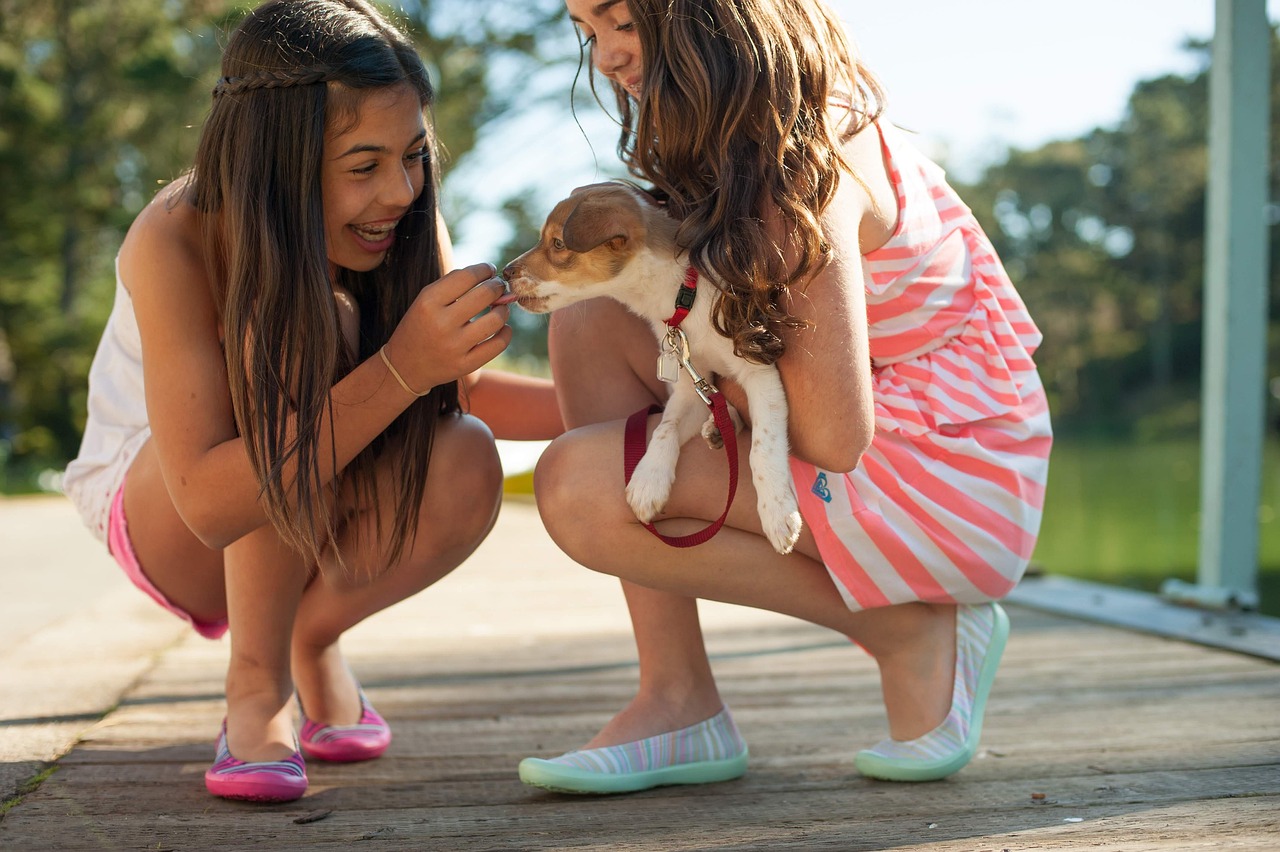
Incorporating rewards during the training enhances the overall experience for children and dogs alike. Explain to your child the importance of praising the dog when it obeys the ‘Find It’ command. Children can use treats, their favorite toys, or engaging verbal praises to motivate the dog. Effective use of rewards transforms a standard training session into memorable moments that strengthen bonds. Encourage your child to reward the dog immediately after success; it creates a positive association with the action. As a result, the dog becomes more eager to participate and understand when it successfully completes the command. Remind kids to keep rewards small and simple, focusing on positive reinforcement instead of punishment. Alternatively, reward your child for their efforts by acknowledging their progress. Children benefit from knowing they are doing well as trainers, enhancing their self-esteem and responsibility. The excitement they share will inspire them to train more. In addition to treats, offer verbal praises or playtime as a reward. Ensure that every training session feels special by turning regular command practice into a game that encourages learning.
As practice continues, gradually integrate the ‘Find It’ command into daily routines. Incorporating commands in fun scenarios makes it resonate better with both the child and the dog. For instance, you could hide a treat within the yard, allowing the dog to explore. This encourages children to remain active participants in their pet’s training journey. Use this outdoor setting to reinforce the bond, as kids experience the joy of seeing their dog thoroughly enjoy the search process. Maintain a balance in training sessions, transitioning between easy and challenging hiding spots. Remember to celebrate progress by using cheers or by genuinely appreciating the dog’s effort. Children grow emotionally by seeing themselves as responsible trainers. As the dog becomes more proficient, encourage variations in the command. For example, use ‘Seek’ or ‘Search’ to strengthen connection and reduce monotony in training. This fosters creativity in learning. As the child helps develop other commands, they nurture their skills. Again, celebrating achievements fosters motivation and maintains enthusiasm. Consistent engagement ensures that your child feels integral to the process, boosting their passion for training.
Overcoming Challenges in Dog Training
Training a dog does come with its set of challenges. Children may encounter moments of frustration, especially if the dog initially struggles to understand the ‘Find It’ command. Guide your child through these moments by emphasizing that patience is key. Acknowledge the possibility that not every training session will go smoothly. Encourage them to take breaks when needed, allowing both the dog and child some downtime. This also gives everyone a chance to regroup and re-energize. Introduce simple problem-solving techniques, such as rephrasing the command or changing the hidden object to something the dog is more motivated to find. Remind them it’s crucial to adapt to the dog’s pace. If necessary, revert to easier commands to boost the dog’s confidence. Role-play with your child to help them explore various scenarios they might encounter during training. Appreciate their ideas and include them in adjustments. Creating a supportive training environment allows children to learn important lessons in perseverance. Reinforce the idea that learning is ongoing can transform challenging experiences into opportunities for growth.
Another important aspect of the ‘Find It’ command is to understand your dog’s body language throughout the process. Teach your child to observe when the dog is excited, confused, or disengaged. Noticing these cues aids in recognizing when adjustments are necessary within the training. For instance, if the dog appears frustrated while searching, it might be time to simplify the command again. Encourage your child to become more aware of the emotional state of their pet, fostering a deeper connection between the two. Discuss the importance of maintaining a calm demeanor; dogs often mirror the emotions of their handlers. An excited voice or calm praise can motivate them, while yelling can cause anxiety and confusion. Help your child refine their observation skills, assisting them in reading the dog’s signals. This contributes to a well-rounded understanding of canine behavior. Additionally, remind them that each dog is unique; patience and observation will yield the best results. Recognizing and addressing the dog’s feelings enhances the training experience, making your child more attuned to their pet’s needs and emotions.
Making Learning Fun and Social
Creating a fun social atmosphere can significantly enhance the learning experience for both children and dogs. Consider organizing playdates with other dogs, allowing the children to practice their training in a social setting. Dogs can learn more through interaction with their peers, which builds excitement and enthusiasm. Children can benefit as well from observing how other dogs respond to commands. This encourages a communal learning approach that shares ideas among dog owners and children. Encourage kids to take charge during these playdates, leading their pets in a friendly competition to find hidden treats. This elevated level of engagement helps develop skills while making it feel like a game. Bear in mind importance in structure during these social interactions; rules and boundaries should be established to maintain harmony. Adults can participate by supervising and ensuring that the environment remains conducive for learning. The social aspect reinforces the concept of teamwork, enhancing the bond between children and their pets, while driving motivation and excitement. This can make a complicated command like ‘Find It’ feel like an entertaining group activity.
Finally, document your training progress to celebrate achievements and create lasting memories. Keeping a journal of training sessions allows children to observe how much they and their dogs have improved. Include pictures of the dog finding hidden items to keep the excitement alive. Engage your child in reviewing past sessions; this practice strengthens the bond between them and their pet. A scrapbook or digital album serves as a fantastic way to showcase the dog’s progression. Completing this task not only nurtures a sense of accomplishment but also enhances goal-setting skills. Encourage children to share their experiences with friends or relatives, fostering a sense of pride in their training journey. Moreover, they may inspire others to train their dogs, creating a positive ripple effect. As they reflect on their journey with their pet, valuable insights will emerge. Talk about challenges faced, victories celebrated, or funny moments that brought laughter. This reflection enhances emotional intelligence and awareness, offering an opportunity for children to articulate their feelings. Developing and maintaining these training memories solidifies the bond between children and their dog, enhancing their overall experience.