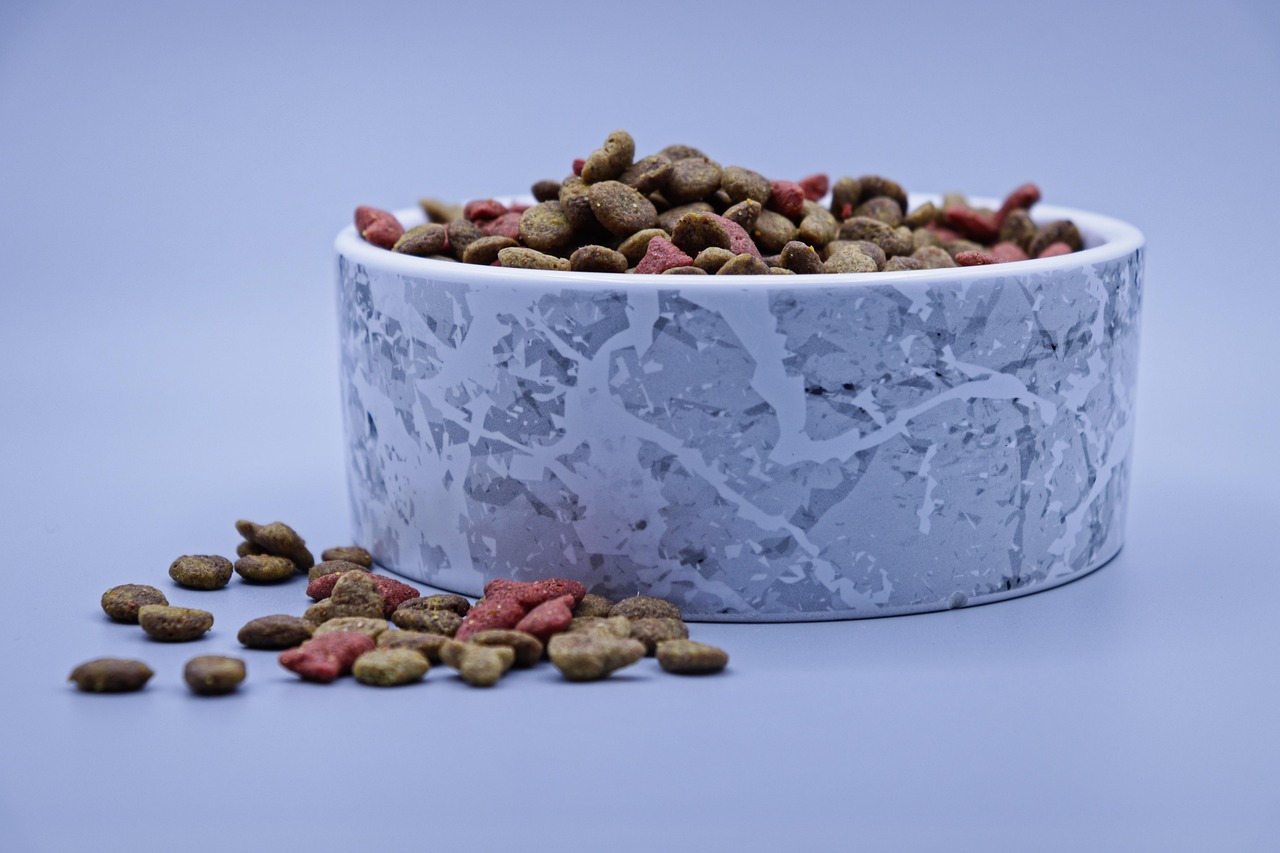

The Benefits of Elevated Cat Bowls for Your Cat’s Health
Elevated cat bowls are becoming increasingly popular among pet owners who want to enhance their cat’s dining experience. Traditional bowls placed on the ground can lead to issues with posture during feeding. Elevated bowls provide a comfortable height for cats, reducing strain on their neck and back. Cats, especially older or arthritic ones, may find it challenging to lower their head to the ground. Using an elevated feeding station can lead to better posture while eating. Additionally, elevated bowls can assist in reducing whisker fatigue, a condition that may discomfort cats as their whiskers touch the sides of narrow bowls. With elevated bowls, cats can easily access food without these sensations, promoting a healthier feeding experience. Some elevated bowls come with additional features, such as non-slip bases and adjustable height settings, ensuring maximum comfort for your furry friend. There are also many styles and materials available, making it easy to find a bowl that complements your home decor. Therefore, investing in an elevated bowl can significantly improve your pet’s health and happiness.
Furthermore, elevated cat bowls can help with better digestion for your feline friend. Not only do they encourage a more natural eating position, but they also allow for improved esophagus alignment. When cats eat at a proper height, it can also help reduce the occurrence of vomiting after meals as food can flow more freely into the stomach. Poor eating posture can often lead to gulping air, which causes digestive issues. By using elevated dishes, you may notice fewer instances of your cat experiencing tummy troubles. Proper digestion is crucial for maintaining your cat’s overall health. When food is consumed without excess air, nutrients are better absorbed. This may lead to enhanced energy levels and improved mood in your cat. It’s essential to observe your cat’s eating habits when transitioning to an elevated bowl. Changes in behavior, such as eating slower or being more engaged, indicate that the bowl is beneficial. Ensure the bowl’s height is suitable for your cat’s size, as overly tall bowls can create their own challenges. Elevation should provide comfort and make mealtime an enjoyable experience for your feline companion.
Health Benefits of Elevated Bowls
Moreover, elevated cat bowls can play a role in maintaining a healthy weight. Cats, like humans, can become overweight due to overeating, often exacerbated by uncomfortable feeding positions. Elevated bowls encourage cats to eat at a more measured pace, preventing them from gulping down their food too quickly. When placed at a desirable height, the feeding experience becomes easier and allows for natural, unhurried consumption of meals. This, in turn, can help cats feel fuller faster and potentially reduce food intake over time. In addition to weight management, using elevated bowls can contribute to improved dental health. When cats eat comfortably, they are less likely to ignore their food due to discomfort. This leads to consistent eating habits, promoting better oral hygiene. Moreover, elevated bowls make it easier to maintain cleanliness around the feeding area. As not as many food particles will be scattered, your cat will have fewer chances to eat off the floor. Keeping the feeding area tidy can also reduce pest attraction and overall hygiene concerns, providing a more pleasant mealtime environment.
It’s also worth noting that elevated cat bowls are not just functional but can also be an aesthetic addition to your home. Many designs come in various materials, colors, and styles, allowing you to choose one that fits your taste and decor. It’s a great way to make your cat’s feeding area blend seamlessly into your living space. You can find elevated bowls made from wood, ceramic, and stainless steel, offering both durability and style. Additionally, many elevated bowls come with adjustable heights, accommodating both kittens and adult cats as they grow. This flexibility means that your investment in a good elevated feeding station can last many years. Some pet owners even enjoy making these bowls a part of a functional art display in their homes. This approach promotes not only wellness but also serves as a conversation piece. When friends or family visit, they may notice the elevated bowls, allowing for discussion on the importance of pet health and wellness. Selecting an elevated bowl that suits both your needs and your cat’s ensures happy feeding times.
Choosing the Right Elevated Bowl
When choosing an elevated cat bowl, it’s essential to consider certain factors to maximize benefits. Begin by assessing your cat’s specific needs, such as age, size, and health conditions. If your cat has arthritis or mobility issues, an adjustable bowl that can be raised as needed will be beneficial. Also, the bowl should be wide enough to prevent whisker fatigue, but not so deep that it makes accessing the food challenging. Look for a bowl with a stable base to prevent tipping or sliding during mealtime. Non-slip surfaces are particularly useful for active cats. Easy-to-clean designs are also important, as regular washing prevents bacteria buildup. Elevation should not compromise the bowl’s functionality; it should enhance the feeding experience. Ensure that the material is pet-safe, preferably without plastic components that could affect their health. Checking for reviews and recommendations can help in making an informed choice. By taking the time to choose the right elevated bowl, you can ensure a comfortable and healthy mealtime experience for your beloved pet.
Adjusting your cat’s feeding routine and integrating elevated bowls may take time. Cats are creatures of habit and can be resistant to change, so patience is necessary when introducing new feeding gear. Monitor how well they adapt to their elevated bowl during the transition period. Some cats may embrace the change quickly, while others might take longer to adjust. It’s crucial to observe their body language and eating habits closely. Gradual integration might include placing the elevated bowl next to their regular feeding area, allowing them to get accustomed to it. You can start by adding familiar food into the new bowl to encourage usage. The goal is for your cat to view the new bowl as both familiar and inviting. If your cat persists in avoiding the elevated bowl, observe how they react to different heights. Adjusting the elevation can sometimes make a significant difference in whether they decide to use it. With time and practice, many cats can come to enjoy the benefits of an elevated bowl.
In conclusion, incorporating an elevated cat bowl into your pet care routine offers multiple health benefits that can significantly enhance your cat’s well-being. Improved posture, digestion, and eating habits can all lead to an overall positive impact on your cat’s health. Additionally, the aesthetic appeal of elevated bowls can enhance your home decor while providing a functional feeding solution. Taking the necessary steps to appropriately select, implement, and transition your cat to using an elevated bowl can ensure its success. Investing in high-quality materials, adjustable height, and ease of cleaning serves both comfort and hygiene. Remember to be patient and observant during the adaptation period, allowing your cat to gradually embrace this positive change. As a pet parent, promoting your cat’s health and happiness is rewarding, knowing these careful choices can enhance their living experience. The benefits of elevated feeding may prove to be transformative for cats of all ages and backgrounds. Enjoy mealtime with your feline friend while knowing you are supporting their health and wellness.