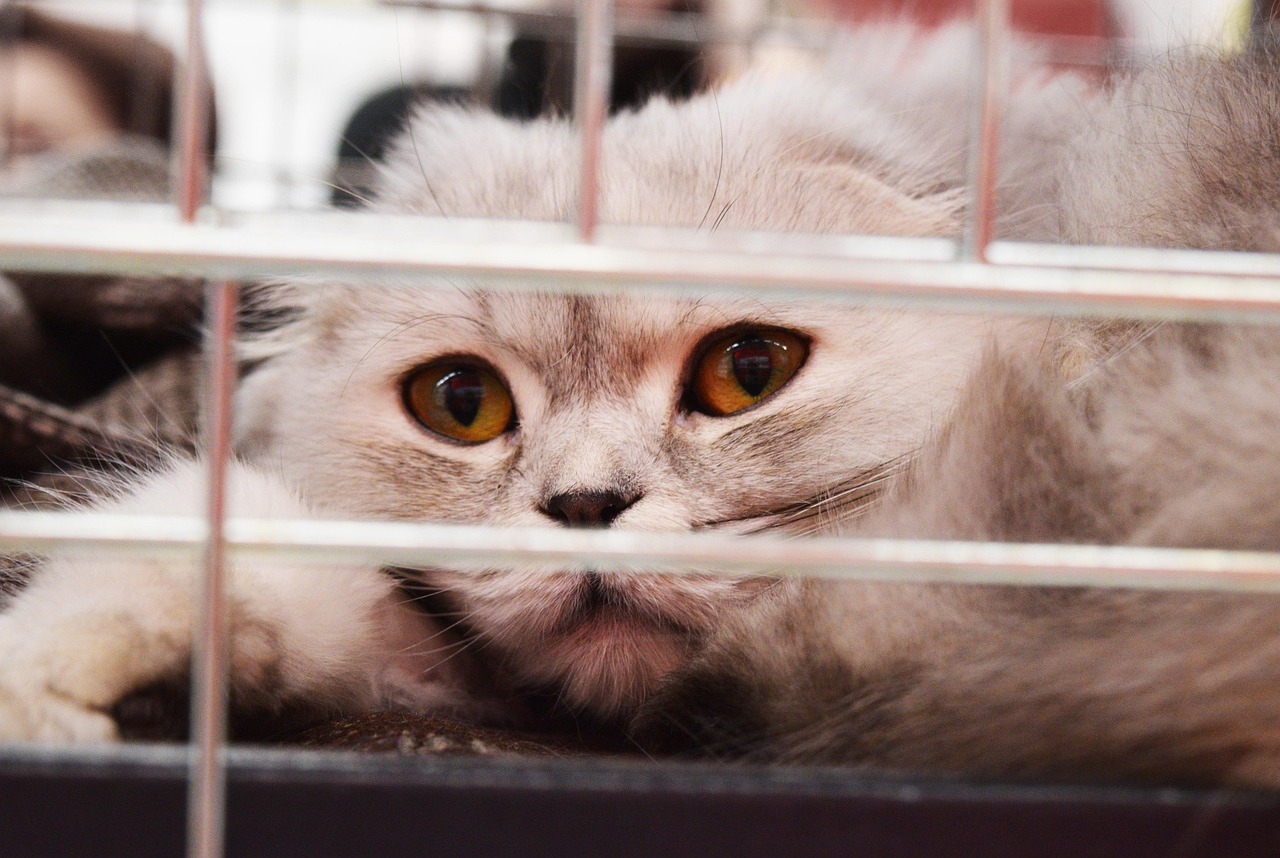

The Importance of Booster Shots for Shelter Cats
Ensuring that shelter cats receive booster shots is crucial for their long-term health and well-being. Vaccinations help protect these cats from various diseases, increasing their chances of finding and thriving in permanent homes. Shelter cats often encounter multiple stressors that can weaken their immune systems. By administering booster shots, shelters can ensure that these cats remain healthy while awaiting adoption. Regular vaccination schedules can prevent the spread of diseases like feline panleukopenia or calicivirus, among others. Moreover, owners of newly adopted cats often inquire about their vaccinations, emphasizing the need for shelters to maintain accurate health records. Each cat’s booster shot schedule must be individualized, considering their health history and exposure risk. Additionally, timing boosters correctly can enhance the immune response, ensuring more effective protection. Shelters must educate their staff and volunteers about the significance of these shots and monitor the vaccination status of each resident cat. Investing in proper vaccination protocols not only safeguards the cats’ health but also enhances the overall reputation of the shelter in the community.
Consistent monitoring and updating of vaccination protocols are essential in any shelter environment. Regular checks can ensure that all shelter cats receive their necessary vaccines on time. Properly maintained health records aid in tracking which cats have received their vaccinations, highlighting any that may have fallen behind schedule. Such diligence is necessary to ensure that the shelter remains in compliance with local laws and regulations regarding animal health and safety. Educating staff about the importance of vaccinations will promote thorough care standards. Furthermore, it is recommended to coordinate with local veterinarians for consultations on best practices. Collaborating with experienced veterinary professionals ensures that the shelter can adopt updated vaccination protocols suitable for cats. Encourage partnerships that provide access to resources, expert knowledge, and assistance in maintaining the health of shelter residents. It’s also beneficial to offer community outreach programs that inform potential adopters about the vaccination efforts undertaken at the shelter. This transparency can increase public trust in the shelter’s operation, leading to higher adoption rates while improving the lives of countless shelter cats.
Benefits of Vaccination for Shelter Cats
The benefits of vaccinating shelter cats extend beyond individual health to influence the wellbeing of the entire shelter population. By ensuring that each cat is vaccinated, shelters can minimize disease outbreaks, which are particularly contagious and can spread rapidly in confined environments. This proactive measure can lead to improved overall health and decreased mortality rates among shelter residents. Furthermore, vaccinations also ease the screening process for potential adopters. Prospective cat owners often look for shelters with rigorous health protocols as it reflects the organization’s commitment to animal welfare. A well-organized vaccination program signifies that the shelter prioritizes cat care and offers potential adopters healthy pets. Additionally, increased public awareness about the importance of vaccinations can generate community support for shelters, including donations and volunteerism. Engaging community members through fundraising campaigns can emphasize the need for vaccination supplies and related medical care. Overall, investing in the health of shelter cats through vaccinations not only benefits the cats but the shelter as a whole by fostering a positive public image and ensuring a steady flow of adoptions.
Regular vaccination programs also provide an opportunity for shelters to educate the public about responsible pet ownership. By informing future cat parents about vaccinations, shelters can instill a sense of responsibility in them. This education can lead to better long-term outcomes for adopted cats, as new owners are empowered with knowledge about ongoing care, including the need for further vaccinations. Additionally, shelters play a pivotal role in combating the misinformation surrounding vaccinations prevalent in some communities. Utilizing social media platforms and community events can effectively disseminate accurate and supportive information. This can build stronger connections with the community and reinforce the importance of vaccinations beyond just shelter cats, promoting overall feline welfare in the area. Furthermore, addressing any vaccination-related concerns with considered, evidence-based approaches can help alleviate fears. Creating accessible resources, like brochures or online quests about cat vaccinations, can engage individuals who may be hesitant to adopt due to such concerns. A well-educated community fosters a nurturing environment, improving not only shelter cat outcomes but also enhancing the lives of all local cats.
Long-term Health and Adoption Rates
Long-term health benefits for shelter cats become apparent when vaccination protocols are integrated into daily operations. Cats that are vaccinated and remain healthy have a significantly higher chance of being adopted. Potential adopters are typically wary of any health risks when considering a new pet. A shelter that can confidently present its residents as healthy and fully vaccinated reinforces the idea of responsible pet ownership. Not only are these cats given a better chance at secure homes, but it also reduces the likelihood of future returns due to illness. Over time, shelters can track metrics regarding adoption rates, where higher vaccination rates correspond with increased successful adoptions. An organized vaccination effort indicates effective shelter management, which is attractive to potential adopters. Moreover, the focus on health can also facilitate more effective outreach programs that engage with community members, showcasing the importance of vaccinations. Organizing adoption events where cats’ health records are readily available promotes transparency. These gestures enhance community relationships while also ensuring that the shelter’s mission aligns with animal welfare objectives, nurturing an environment where homeless cats can thrive.
The role of vaccinations in a shelter extends to post-adoption care, as new pet owners need guidance on continuing vaccination schedules. Shelters may provide educational resources to explain what vaccinations are necessary and how often they should occur. This outreach is an integral component of overall cat welfare, ensuring that newly adopted cats remain protected against common feline diseases. Additionally, establishing a follow-up system allows shelter staff to check in with adopters about the health status of their cats. These connections help build a community of cat guardians and create an awareness about the importance of maintaining vaccination schedules throughout the cats’ lives. Encouraging adopters to share their experiences can yield valuable information for future programs, enhancing community involvement. As cats are integrated into families, the message of responsibility around vaccination travels with them. This fosters an environment where both current and potential pet owners understand the immense value of vaccination, ultimately contributing to a healthier, happier feline population and reducing incidence rates of diseases.
Future Directions for Shelter Cat Vaccination
As shelter cat programs evolve, future directions in vaccination strategies will prioritize both health and community engagement. Embracing advances in veterinary science can lead to the adoption of new vaccines that can benefit shelter residents. Continuous education for staff about emerging trends in vaccinations can ensure that shelters remain proactive in protecting their cats. This includes understanding the latest recommendations and adjusting vaccination schedules accordingly. Additionally, collaborating with veterinary schools can provide invaluable learning opportunities and enhance the shelter’s programming. Students can contribute through volunteer programs, bringing fresh perspectives while gaining hands-on experience. Through such partnerships, shelters can foster future veterinarians committed to animal health and welfare. Increasing community involvement goes beyond education; outreach initiatives can empower local residents to participate in vaccination programs. Clinics that offer low-cost vaccination services can mitigate health issues, fostering a safer environment for shelter cats. Creating a robust network of community health advocates ensures that pet owners feel supported in caring for their animals. Together, these steps can lead to a sustainable future for shelter cat vaccination programs.
Furthermore, evaluating the impact of vaccination campaigns is essential to enhance effectiveness further. Collecting data regarding vaccination rates, health outcomes, and adoption statistics allows shelters to adapt based on what works best. Using veterinary care-related funding or grants can facilitate better health outcomes for shelter cats. Advocating for increased funding dedicated to vaccinations and health care specifically for shelter animals can empower shelters in addressing any financial constraints obviously affecting care. Engaging with local government and animal welfare organizations can amplify these efforts, helping create supportive policies. Ensuring that all stakeholders are aligned with the shelter’s mission is essential for long-lasting success. A continuous loop of feedback regarding health programs ensures that emerging practices can be applied to developing vaccination protocols. Understanding community dynamics and preferences will further tailor outreach and educational efforts. Future strategies must keep a focus on both animal welfare and community health in tandem, thus striving for an environment where all feline companions and their owners thrive together. By taking these steps, shelters can prepare for both present and future challenges, ultimately improving the lives of countless shelter cats and their new families.