
The Importance of Slow Blinking in Cat Happiness
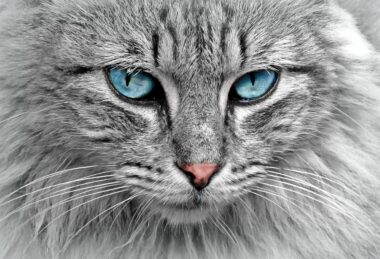
Understanding cat behavior can enhance the relationship with your feline companion. One of the simplest yet profound indicators of contentment in cats is slow blinking. When a cat looks at you and slowly closes its eyes, this behavior can signify trust and affection. Cats express their emotions through body language, and the slow blink is a gentle way of communicating comfort. If your cat offers you a slow blink, respond in kind to nurture this bond. This mutual exchange fosters a deeper connection. You might notice that your cat tends to slow blink when they’re relaxed. Recognizing these signs is crucial in reading their mood. A happy cat will also exhibit playful behavior, such as pouncing and chasing. Keep an eye out for a relaxed tail position and soft body posture. If combined with slow blinking, your cat is likely at ease. Additionally, create an environment that encourages such interactions. Ensure that your cat feels safe in their environment. Visiting a veterinarian for a health check can also benefit your cat’s happiness. Providing the best care ensures they can express their contentment and love through behaviors like slow blinking.
Another sign your cat is happy is the way it greets you when you come home. Cats have unique personality traits, and understanding them is essential to gauge their emotions. A happy cat will often run to the door or greet you with a gentle purr. These behaviors indicate affection and enthusiasm for your presence. Make sure to acknowledge these greetings; scratch their chin or give them a gentle pet. Such interactions reinforce your bond and affirm their happiness. Also, pay attention to how your cat plays. Cats that engage joyfully in play are often happy and healthy. Utilize various toys to stimulate their interest. For example, feather wands or laser pointers can encourage active playtime. Spending quality time playing fosters happiness and strengthens your relationship with your pet. Furthermore, create a cozy space for relaxation. Cats enjoy sunbathing or curling up in warm, quiet spots. A content cat usually shows signs of grooming itself regularly. Observing your cat’s environment can help ensure it’s conducive for happiness. Consider introducing scratching posts or safe hideouts to encourage natural behavior. Ultimately, every small adjustment contributes to their overall well-being.
Furthermore, cats express happiness through vocalization. While they communicate through various sounds, their purring is often a clear indicator of contentment. If your cat approaches you and begins to purr, especially while being petted, it demonstrates satisfaction and trust. Encourage this behavior by offering regular affection and attention. In addition to purring, you might hear short meows or chirps. These vocalizations indicate excitement and happiness, especially during feeding or playtime. Recognizing these distinct sounds can enhance your understanding of your cat’s emotional state. Another factor linked to happiness is the routine in their lives. Regular feeding times and predictable environments contribute significantly to their mental health. Cats thrive on consistency, which leads to a reduction of stress and anxiety. To ensure your cat remains happy, establish a daily routine that incorporates playtime, affectionate interactions, and feeding. Also, while grooming assistants are necessary, be mindful of how often and how you engage in grooming. Cats generally appreciate routine but may become agitated. Being attentive to their reactions will help maintain a joyful cat. Continuously adapting to their needs leads to a satisfied and flourishing feline companion.
Environmental Factors Influencing Cat Happiness
Adequate stimulation is also integral for a happy cat. Boredom can lead to lethargy and behavioral issues. Ensure their environment is enriched with scratching posts, climbing play areas, and toys that engage their natural instincts. Cats are playful animals and require movement and mental stimulation. The variety in their surroundings helps them feel fulfilled and content. Indoor cats especially benefit from diverse, interactive environments. You might consider rotating their toys periodically to sustain their interest. Observing your cat closely can also provide insights into what they prefer. Another significant aspect is social interaction. While some cats are independent, many enjoy companionship, whether it be human or another pet. Regular socialization fosters a sense of safety and happiness. If you have multiple pets, ensure they can interact positively. Supervise their interactions, especially during introductions, to avoid conflicts. Furthermore, avoid leaving your cat alone for extended periods if possible. Cats that feel isolated can become anxious and depressed. To counteract loneliness, consider adopting a second cat if appropriate. Together, they can entertain each other, enhancing their joy and stimulating positive behaviors.
Moreover, understanding cat behavior encompasses knowing their needs and preferences. Cats are sensitive creatures that require attention to thrive. For instance, ensuring proper nutrition is crucial for both physical and mental health. Feed them high-quality cat food based on their age and dietary preferences. Also, consult with a veterinarian for personalized dietary advice. Adequate hydration is equally vital for their overall happiness. Cats often prefer running water sources, thus consider investing in cat water fountains. Hydration promotes good health and contributes to a happy demeanor. Additionally, ensuring regular veterinary check-ups keeps them healthy and happy. Recognize that illness can affect your cat’s behavior and mood significantly. They may become withdrawn or exhibit changes in habits. Regular health assessments allow you to catch and address potential issues early. Providing a comfortable litter box environment is another often-overlooked factor. Ensure the litter box is clean and placed in a quiet area. Cats are particular about cleanliness and won’t use a dirty litter box. A clean home environment contributes to their overall happiness and well-being. Ultimately, a combination of love, play, care, and attention ensures your cat remains joyful and healthy.
Signs of Trust and Connection
When considering your cat’s happiness, trust within the relationship plays a significant role. Cats that feel safe will exhibit loving behaviors. For instance, if your cat rubs against you or kneads on your lap, these actions indicate affection and comfort. Establishing a strong bond requires patience and understanding. Spend time with your cat through gentle interactions such as petting or talking softly. These shared moments reinforce trust and connection. Another way to foster happiness is by allowing your cat to choose their space. Cats appreciate having areas where they can retreat. A designated cozy bed or hiding place gives them options when feeling overwhelmed. Respecting their wishes will bolster their sense of security and happiness. Additionally, a happy cat often enjoys exploring its environment. Allow safe opportunities for exploration. Supervised outdoor time can enrich their lives significantly. Gardening services some are interested in can capture your cat’s curiosity delightfully. Furthermore, consider how your cat responds to surprises or changes in their environment. Some adapt quickly, while others may require reassurance. Being attuned to your cat’s personality is vital for nurturing a joyful and harmonious relationship.
In conclusion, fostering cat happiness revolves around understanding and responding to their unique needs. Pay attention to their behavior and communication styles. Slow blinking acts as a significant sign of trust and contentment. Respond to these signals to strengthen your bond. In addition, look for signs of happiness through vocalization, playfulness, and affectionate greetings. Appreciate the environments you create for them, ensuring stimulation and safety. Healthy nutrition and regular veterinary care also contribute to a happy life. Moreover, establish a daily routine to enhance your cat’s predictability and security. Create space for social interactions, whether with other pets or just human contact. Every cat possesses its personality and preferences, so remain observant. Being responsive to their behaviors highlights your dedication to their happiness. Regular grooming, playtime, and quality attention will help foster joy in your feline friend. Emphasize mutual understanding and respect as you navigate your relationship with your cat. Ultimately, cultivating a loving and enriching atmosphere will significantly improve your cat’s quality of life. Recognizing these signs leads to a rewarding, happy companionship that both you and your feline will cherish.