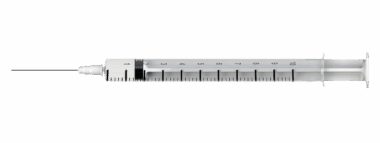

Why Follow-Up Vaccinations Are Important for Your Cat’s Health
For cats, vaccinations serve as a critical defense against contagious diseases. However, the journey doesn’t end after the first shot. Follow-up vaccinations are essential to ensure your feline friend remains fully protected. These boosters activate the immune system, leading to a stronger, longer-lasting defense against illness. First, they help reinforce the initial vaccination, providing your cat with the antibodies necessary to fight infections effectively. In particular, diseases such as feline leukemia and panleukopenia can be deadly, making these follow-ups vital for your cat’s survival. Regular reviews of vaccination status during veterinarian visits will ensure each cat receives the right doses on time, reducing the risk of exposure. Furthermore, maintaining an updated vaccination schedule helps safeguard the health of not only your pet but also the other cats in your community. Owners should actively consult with health providers about their cat’s specific needs, as individual factors may affect the vaccination regimen. By prioritizing vaccinations, you are investing in your cat’s overall health and longevity. Always aim to follow the advice provided by your veterinary professional to keep your pet safe and healthy.
Beyond basic vaccinations, post-vaccination care is crucial for monitoring your cat’s reaction to their shots. After receiving vaccinations, it’s not uncommon for cats to experience mild side effects. Observing your feline for any symptoms such as lethargy, reduced appetite, or localized swelling can help identify any potential issues early on. While most reactions are temporary, persistent or severe symptoms may require a trip to the vet. It’s also essential to ensure your cat remains calm and comfortable at home during the recovery process. Providing a quiet, cozy space where your pet can relax will help ease any distress. Additionally, proper nutrition plays a significant role in recovery. Maintain a routine feeding schedule with quality food to help bolster your cat’s immune response. Always follow your vet’s guidelines concerning activity levels post-vaccination. Overexertion may compromise recovery efforts. Cats may need a few days before returning to their typical playful selves. Keep a watchful eye and consult the vet if you feel anything is amiss. This attentive care is another layer of protection as your pet adjusts and strengthens their immunity.
Building a Vaccination Schedule
Creating a vaccination schedule tailored to your cat’s needs is an important part of their health routine. A veterinary expert will often recommend an initial series of core vaccines, typically starting when the cat is a kitten, combined with follow-up boosters. Generally, those critical early vaccinations occur at 6, 9, and 12 weeks of age. The follow-up booster doses typically occur at 1 year, followed by the recommended schedule thereafter, often every one or three years, depending on the vaccine. Kittens may require additional vaccines based on breed or health status. Always ask the vet for guidance on the appropriate intervals between shots, as individual health factors can influence this timeline. Regular appointments can help ensure compliance with vaccination schedules. Utilizing reminders for appointments can help keep you on track. Taking proactive steps toward preventative care not only enhances your cat’s immunity but fosters a better overall health outlook for your furry friend. Postponing or forgetting these essential follow-up vaccinations may leave your cat vulnerable to preventable diseases, which can have severe consequences.
For many pet owners, one common concern surrounding follow-up vaccinations is the expense involved. While every vaccination schedule carries an associated cost, these expenses pale in comparison to the potential vet bills from treating a serious illness. Understanding the importance of protective care can alleviate concerns about budget constraints. In many regions, vaccines are available through local animal shelters or veterinary clinics at a subsidized rate. These programs ensure that pet owners can access vital vaccinations without stressing their finances. Moreover, maintaining accurate records of your cat’s vaccinations can further streamline the process. Having documentation ready can simplify scheduling and discussions with your vet about any specific concerns or needs. Remember that investing in preventative care enables pet owners to support their cat’s longevity and well-being. By prioritizing these follow-up vaccinations, you minimize the risks of diseases that could lead to expensive treatments. Always consult with your veterinarian about cost-effective vaccination options to ensure your pet remains protected without burdening your wallet.
Impact on Community Health
Vaccinating your cat doesn’t only protect them; it plays an essential role in enhancing community health. Feline diseases can spread easily among cats, especially in interconnected environments such as shelters, boarding facilities, and neighborhoods. Thus, high vaccination rates within the community create a protective barrier, reducing transmission risks. When a majority of cats are vaccinated, herd immunity becomes effective. This principle ensures that even unvaccinated or immunocompromised cats receive a measure of protection from widespread disease outbreaks. Encouraging responsible pet ownership in your area can foster safer community interactions between pets. Hosting educational events about the importance of vaccinations can help raise awareness among pet owners. Furthermore, collaborating with local veterinary clinics can also aid in enhancing the public’s knowledge of proper vaccination and care practices. The bond between healthy pets and a thriving community becomes more apparent when everyone works in place toward effective vaccination schedules. Ensuring that your cat is well-protected is a vital step in sustaining community health for both humans and animals alike.
Monitoring potential allergens after vaccinations is another crucial aspect of your cat’s post-vaccination care plan. While side effects are generally mild, some cats may develop allergic reactions to specific ingredients in vaccines. Signs of an allergic reaction may include itchiness, swelling, vomiting, or difficulty breathing. If you notice any of these symptoms, seeking immediate veterinary attention is vital. It’s essential to differentiate between minor post-vaccination side effects and a genuine allergic response. Keeping track of your cat’s previous reactions can aid the vet in determining the best course of action for future vaccinations. Green-lit preventive measures often include pre-medication with antihistamines, but only under the guidance of your veterinarian. Maintaining open communication with your vet ensures that you’ll have a well-rounded understanding of vaccinations and potential allergens. This collaborative approach minimizes complications during future vaccinations. You’ll become well-versed in your cat’s particular needs, helping to keep your furry friend safe. By committing to thorough monitoring, you support not only their health but also the overarching goal of comprehensive post-vaccination care.
Conclusion: Prevention is Key
In conclusion, prioritizing follow-up vaccinations and post-vaccination care is a non-negotiable responsibility for cat owners. These steps contribute to your cat’s well-being and health and support the broader community’s efforts to prevent outbreaks of feline diseases. By proactively managing your cat’s vaccination schedule, monitoring their recovery, and remaining vigilant toward any potential side effects, you demonstrate your commitment to responsible pet ownership. Drawing on professional veterinary advice can significantly improve your effectiveness in managing the vaccination process. By understanding the long-term benefits of follow-up vaccinations, you not only solidify your cat’s defenses against illnesses but also improve their quality of life. Engaging with fellow cat owners to raise awareness can foster a culture of health within communities. Whether it involves attending educational events or discussing vaccine importance with neighbors, every proactive action counts. Ultimately, you are enhancing your cat’s health and contributing to a paradigm that prioritizes prevention as the best policy. Through regular check-ins and a well-planned vaccination regimen, you significantly reduce risks and ensure a healthier, longer life for your beloved feline companion.
Above all else, embracing the responsibility of post-vaccination care is essential to your cat’s long-term health. Following each vaccination, regular check-ups with your veterinarian can further ensure your cat remains in peak condition. Consistency in monitoring your pet’s health can help you stay ahead of potential issues. By nurturing a relationship with your veterinarian, you create a partnership that contributes to effective care and encourages informed decisions surrounding vaccinations. Maintain up-to-date health records for reference during check-ups, enabling better dialogues about your cat’s overall care plan. This meticulous approach reinforces your dedication to your pet’s welfare and fosters a proactive mindset. Guaranteeing that your feline companion receives proper vaccinations demonstrates love and care. Healthy, vaccinated cats live happier and longer lives, creating lasting memories for you both. Also, remember to educate others about the importance of vaccinations. Sharing information likely increases awareness and holds the potential to boost vaccination rates across communities. By investing time and resources into your cat’s health, you enhance well-being and contribute to a safer environment for all pets. Consequently, your commitment to follow-up vaccinations leaves a lasting positive impact.