
Creative Black and White Dog Photography Techniques
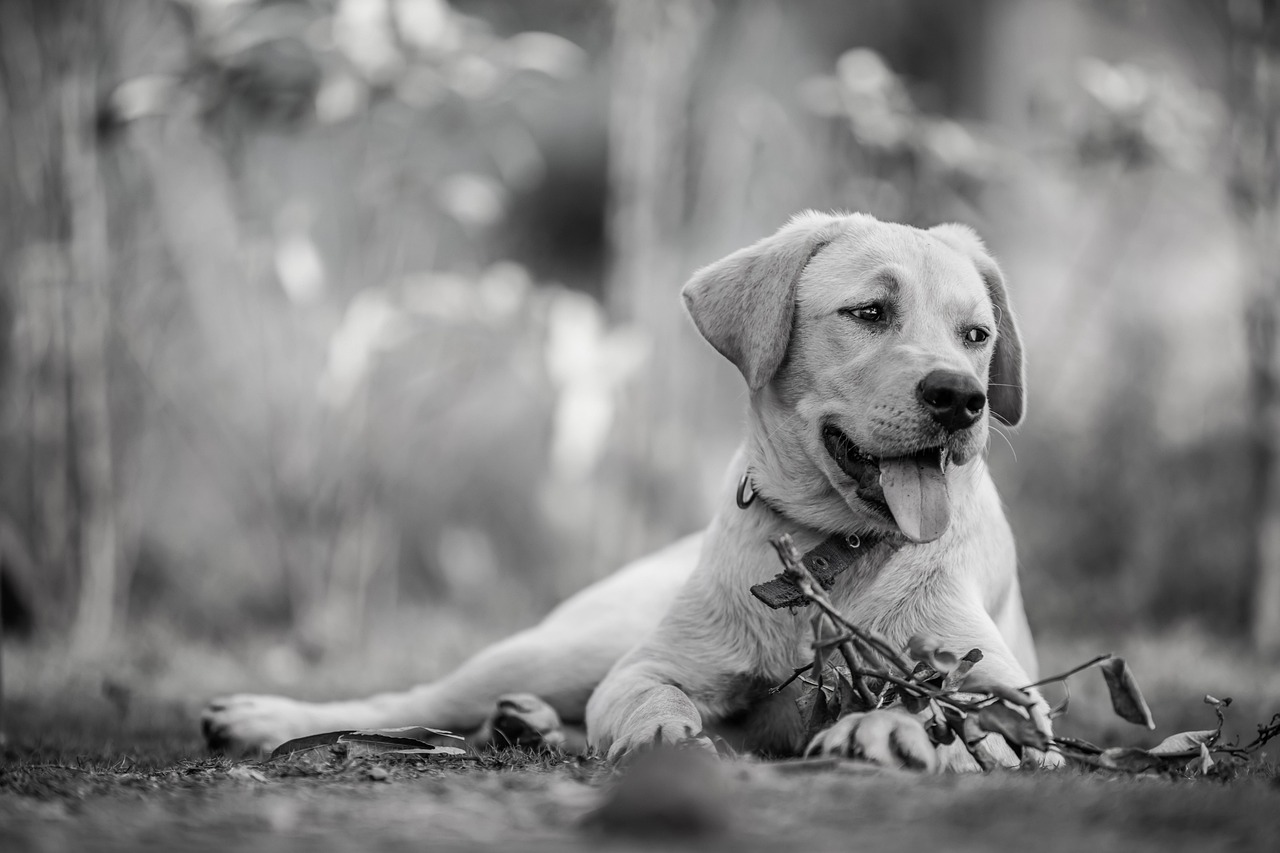
Black and white photography emphasizes light, shadows, and textures, making it an ideal choice for capturing the essence of dogs. Start by experimenting with harsh light during the mid-afternoon to create striking contrasts. Utilize natural settings like parks, where foliage can cast interesting shadows on your furry subject. When it comes to compositions, consider the dog’s posture and angle to express emotion effectively. A low vantage point often brings a dramatic flair, highlighting the dog’s size and personality. Remember to play with depth by including foreground elements, which can create a sense of dimension. Post-processing tools like Adobe Lightroom or Photoshop are vital for enhancing contrast and adjusting exposure levels. During editing, try adjusting the clarity and structure sliders to bring out the details in the fur and emphasize the expressive eyes. Different black and white filters can drastically change the mood; experiment to find your preferred style. Lastly, captioning your photos creatively can draw viewers’ attention and help convey the story behind each image, so think carefully about the messages each photograph communicates. All these techniques will elevate your dog photography to new heights.
In addition to lighting techniques, understanding composition is crucial in black and white dog photography. A well-composed shot draws the viewer’s eye and conveys meaning more effectively. Utilize the rule of thirds by positioning the subject slightly off-center, which adds interest and balance. Fine-tune the framing of your shots by incorporating elements of the environment, creating a harmonious blend between the subject and the backdrop. You can include leading lines, such as paths or fences, that guide the eye towards the dog, creating a more immersive experience. To further enhance the composition, explore different perspectives and angles; get low to the ground or shoot from above to achieve unique shots. The contrasting tones in black and white photography can evoke various emotions, so consider what you wish to portray. For instance, a playful dog might show better with a dynamic angle, while a thoughtful portrait could benefit from a more traditional approach. Practice constantly and review your photographs critically; learning to recognize what works helps develop your distinct style over time. Each session is an opportunity for creativity and growth, so embrace your journey in dog photography.
The Importance of Background in Black and White Photography
The background plays a pivotal role in the quality of your black and white dog photographs. Unlike color images, where distracting hues can divert attention, monochrome photography relies heavily on textures and patterns. Opt for simple, uncluttered backgrounds that allow your subject to stand out. Natural elements like trees, grass, or stones can introduce valuable textures and lines without overwhelming the composition. If you find busy backgrounds, consider using a wide aperture for a bokeh effect, effectively blurring the background and emphasizing the dog. You may also use negative space creatively, allowing ample space around your subject that enhances the image’s focus and impact. Moreover, contrasting backgrounds can either complement or clash with your dog’s coat, so pay attention to hues and textures when choosing spots to shoot. Look for variations in surface, tones, and shapes that can add depth to your photographs. Local parks, beaches, and urban environments all have unique offerings for backgrounds. By being selective and intentional with background choices, you create photographs that resonate emotionally and artistically, leading to more striking and memorable images.
Incorporating textures into your black and white photography of dogs can transform a simple shot into a captivating image. Textures not only create visual intrigue but also provide depth, essential in monochromatic photography where color is absent. Capture the play of light on the dog’s fur, which can dramatically enhance the appearance of texture in the image. Dogs often have various fur types, and photographing close-ups allows you to detail these unique characteristics, such as the curl of a Poodle or the thickness of a Shepherd’s coat. Look for opportunities to incorporate other elements of texture, such as the surface of the ground, rocks, or leaves. These additional components create a layered effect, providing context and enhancing the overall composition. Utilizing your surroundings can add interesting textures, such as weathered wood fences or grassy fields, enhancing the portrait. Black and white photography also has the power to highlight expressions and emotions, as it strips away unnecessary distractions, thus allowing the audience to focus solely on the dog’s feelings. Experimenting with angles and lens selection can further help emphasize textures and expressions in your dog photography.
Utilizing Editing Techniques Post-Shoot
Editing is a crucial step in achieving stunning black and white dog photographs. Post-processing allows you to manipulate exposure, contrast, and tonality to perfect your images. Begin by cropping your photographs to enhance composition and focus on the dog’s expression. This crucial edit often elevates the artwork significantly. Next, adjust the contrast—boosting it will add drama while lowering it creates a softer mood. Utilize the black and white adjustment tools in editing software to tweak highlights and shadows, ensuring the details in fur texture remain visible. Pay attention to the fine details; clarity and sharpness adjustments can reveal hidden elements and details within the image. Experiment with different presets or filters that enhance the overall aesthetic. Keep in mind that subtler adjustments often make a more significant impact than heavy-handed effects. If you have the skills, try dodging and burning techniques, enhancing points of interest and creating a focal area in your composition. Lastly, be mindful of keeping the edits natural; overly processed images may lose their emotional resonance and authenticity. Celebrate the unique moments captured in your photography after these edits.
Another essential aspect is understanding the emotional elements that black and white photography can convey, allowing you to capture dogs’ true personalities. Each dog possesses unique traits and expressions, and black and white photography can strip away distractions to express these characteristics. Remember that dogs reflect emotions that resonate with their owners, establishing visual storytelling through your lens. By focusing on capturing candid moments, you can showcase joy, curiosity, or even melancholy through your photographs. A good technique is to watch for spur-of-the-moment actions; the perfect shot often comes when you least expect it. Employing a rapid shutter speed is vital for freezing action, ensuring clear images even if your subject might be moving quickly. Developing patience will reward you with authentic shots that encapsulate the spirit of your canine subject. Additionally, understanding body language and recognizing eye contact can lead to powerful photographs where emotions are palpable. The connection you establish with your subject reflects in the photography. Explore ideas around themes like companionship or adventure to create a cohesive series of compelling images that depict the enchanting bond between humans and their dogs.
Creating a Portfolio of Your Best Work
As you refine your skills in black and white dog photography, consider developing a portfolio showcasing the best of your work. A robust portfolio reflects your unique style and proficiency, attracting potential clients or collaborators. Start by selecting a variety of images covering different aspects — from stunning portraits to dynamic action shots. The diversity in images demonstrates versatility and can appeal to a wider audience. Ensure each photo is high quality, properly edited, and resonates with the emotional essence of the canine subject. When presenting your portfolio, think about layout and flow; a thoughtfully organized sequence of photographs enhances viewer engagement. Online platforms like Instagram or a personal website provide an ideal space for sharing your portfolio with the world. Include captions that provide insight into each photograph’s story or background, enhancing viewer connection. Additionally, consider sharing behind-the-scenes shots to illustrate your creative process. Networking within dog communities, both online and offline, is essential for promoting your work; be active in dog photography groups and events. Building relationships will enhance visibility and encourage further growth in your photography journey.
Finally, continuous learning is paramount in mastering creative black and white dog photography techniques. Engaging with the photography community, attending workshops, or participating in online courses can introduce you to new concepts and improve your skills. Study the work of renowned photographers who specialize in black and white dog imagery — analyzing their styles can inspire and inform your approach. Additionally, seeking constructive feedback from peers can help you recognize areas for improvement. Don’t shy away from experimenting with various techniques—each session can unveil new possibilities and elevate your art. Sharing your journey on social media platforms opens up dialogues and connections that can spark new ideas or collaborative opportunities. Keep an organized log of your progressing portfolio, documenting your journey and the changes in your artistic vision over time. As you grow and evolve, your style will likely change, so embrace these transformations. Passion fuels creativity; nurturing this passion through practice and exploration leads to mastering black and white photography. Consistent dedication to learning will not only enhance your dog photography skills but also find fulfillment in capturing memories and emotions, enriching both your life and those of the dogs you photograph.