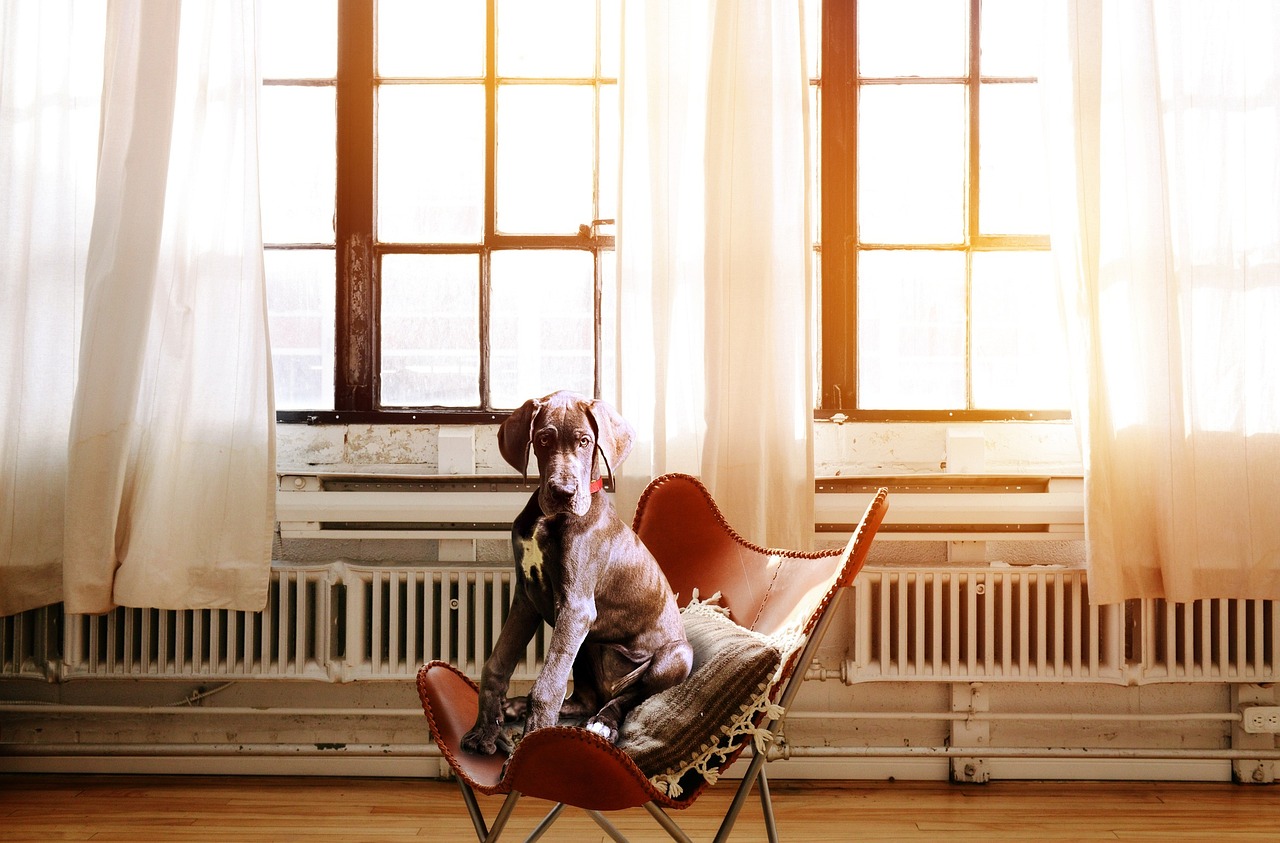

How to Create a Stress-Free Space for Your Dog
Creating a stress-free environment for your dog is essential for their overall well-being. Dogs are sensitive animals that experience stress just like humans do. The first step in achieving this is to provide a designated area in your home where your dog can feel safe and secure. This space should be away from loud noises and heavy traffic within the house. Consider using crate training, which not only gives your dog a cozy place to relax but also provides them with a sense of security. Include soft bedding, a few favorite toys, and water nearby to enhance that calming effect. A calming atmosphere can be achieved by incorporating soothing sounds, such as classical music or nature sounds. Additionally, consider using pheromone diffusers to mimic the natural calming scents of a mother dog, helping to alleviate anxiety. You’ll also want to regularly inspect this space for any distractions or stress triggers, ensuring it remains a true refuge. Ultimately, a dedicated space fosters relaxation, making it essential to your dog’s mental health.
Understanding Dog Stress
To effectively manage stress in dogs, it’s important to understand what causes it. Dogs can experience stress from various factors, including changes in their environment, loud noises, and even separation anxiety when their owners are away. Recognizing the signs of stress in dogs is crucial; look for behaviors such as excessive barking, pacing, hiding, or chewing on furniture. These behaviors are often indicative of anxiety and discomfort. Pay attention to your dog’s body language as well, as ears tucked back, a lowered tail, or avoidance of eye contact can signify stress. It’s also helpful to learn your dog’s triggers to better manage their reaction to stressful situations. Socialization plays a significant role in reducing anxiety. Exposure to different situations, people, and other pets in a controlled manner can help your dog feel more confident. By fostering a safe and supportive environment, you can help your dog become resilient to stressors they may face in everyday life. In turn, this fosters a happier and healthier canine companion that can thrive in their home.
Incorporating routines into your dog’s daily life can significantly aid in stress management. Dogs thrive on predictability, which provides them with a sense of security. Establish a daily schedule that includes feeding, walking, and playtime at the same time each day. This routine helps your dog know what to expect, reducing anxiety associated with uncertainty. Familiarity with their environment also plays a role in easing stress; ensure their space and belongings remain consistent. Additionally, regular exercise is vital for both physical and mental well-being. A tired dog is less likely to exhibit stress-related behaviors. Activities such as walks, fetch, and puzzle toys can stimulate their mind while providing necessary exercise. Always remember that each dog is unique, so pay attention to how your dog responds to specific activities and adapt accordingly. Positive reinforcement is crucial; reward calm behavior with treats or affection, encouraging your dog to associate their environment with positive outcomes. A stress-free environment is within reach—patience and understanding go a long way toward achieving this for your four-legged companion.
Creating a Calming Space
Furniture and décor can make a big difference in creating a calming space for your dog. First, choose comfortable, soft materials that your dog can lounge on. Avoid sharp edges or clutter in their space that may provoke stress or injury. Soft lighting also contributes positively; consider using lamps or dimmable lights to create a soothing environment. When choosing pet beds, opt for orthopedic beds that support their joints, especially for older dogs. Providing access to natural light is another excellent way to enhance their relaxation. Schedule regular outings to parks or nature, allowing fresh air and exploration to reduce stress while enjoying a variety of natural scents. You can also create an outdoor space that includes secure fencing where your dog can lounge or play, relieving built-up energy. Additionally, consider including a few safe plants or natural elements that contribute to a serene atmosphere. Avoid toxic plants, as some may harm your pet’s health. By integrating these elements, you foster a positive bubble where your dog can unwind and rejuvenate, essential for their happiness.
Another aspect of stress-free living for dogs is managing their social interactions. Socializing your dog with various people and other animals helps promote a well-rounded temperament. However, it’s essential to introduce them to new interactions gradually, so they don’t feel overwhelmed. Group training classes offer great opportunities to practice social skills in a controlled setting, fostering confidence and reducing anxiety around unfamiliar situations. Always observe your dog’s body language during introductions; if they seem distressed or uncomfortable, it may be best to step back and allow them the space they need. Additionally, create opportunities for positive interactions where they can meet calm and friendly dogs. This not only enhances their comfort level but allows for positive experiences that help mitigate anxiety. Keep in mind that some dogs prefer solitude and may need more time alone, so respect their boundaries. Understanding their needs will prevent unnecessary stress. By thoughtfully managing their interactions, you create more fulfilling relationships with other dogs and humans, leading to a more relaxed and confident pet.
Consistency is Key
Consistency is crucial for ongoing stress management for your dog. Dogs possess an incredible ability to adapt, primarily when given consistent and reliable routines. All aspects of their lives—including feeding, exercise, grooming, and training—should exhibit a consistent approach. This predictability fosters trust between you and your dog, reducing anxiety about what might happen next. Additionally, be mindful of your responses to their behavior; remaining calm during stressful situations reassures your dog that everything is okay. If your dog exhibits fearful behavior, avoid scolding them, as this can increase anxiety and prevent secure connections. Instead, focus on positive reinforcement for moments of calm behavior, which teaches your dog that relaxation is desirable. Also, consistency extends to the use of commands, training techniques, and handling practices; if multiple caregivers are involved, ensure everyone is on the same page. Likewise, establish boundaries to let your dog understand what behaviors are acceptable. Such clarity helps reduce confusion and contributes positively to their mental health, establishing a solid foundation for managing their overall stress effectively.
Engaging in interactive activities with your dog is another effective method to promote a stress-free space. Activities such as agility training, obedience courses, or simple games can help bond with your dog and provide mental stimulation. Mental challenges prevent boredom, which often leads to stress-related behavior. Puzzle toys are excellent for ensuring your dog remains occupied and engaged. Furthermore, consider incorporating scent work which allows your dog to use their natural instincts and keeps their mind active and entertained. Crafting a structured playtime routine encourages trust as your dog learns to anticipate fun and encourage relaxation afterward. Always monitor how your dog responds to different activities, adapting as necessary to keep their engagement high. Even simple interactions like playing fetch or hide-and-seek can satisfy their need for stimulation while enhancing their comfort levels. Finding the balance between play and relaxation is essential; make sure your dog has time to wind down after energetic play. Emphasizing engaging activities fosters connection while effectively contributing to reducing stress in your dog, resulting in a more harmonious home.
Seeking Professional Help
Sometimes, the best solution for your dog’s stress is to seek the assistance of professionals. Just like humans, dogs can benefit from therapy to understand and manage their anxiety more effectively. Consult a veterinarian or a certified dog trainer specializing in behavior, who can provide you with the tools and strategies needed to help your canine companion cope with stress. In some cases, a veterinarian may recommend behavioral therapy or medication as an option. They can assess your dog’s specific needs and devise a tailored plan to improve their mental health. Attend any recommended training sessions or workshops to gain a better understanding of your dog’s specific behavior. This proactive approach prepares you to create an even more supportive environment at home. Remember that pet professionals can provide valuable insights, from understanding breed-specific tendencies to disarming potential triggers of stress. Moreover, surrounding yourself with a community of fellow pet owners can provide additional support and share experiences, fostering a network for navigating the sometimes challenging world of dog parenting. Ultimately, don’t shy away from professional help when necessary.