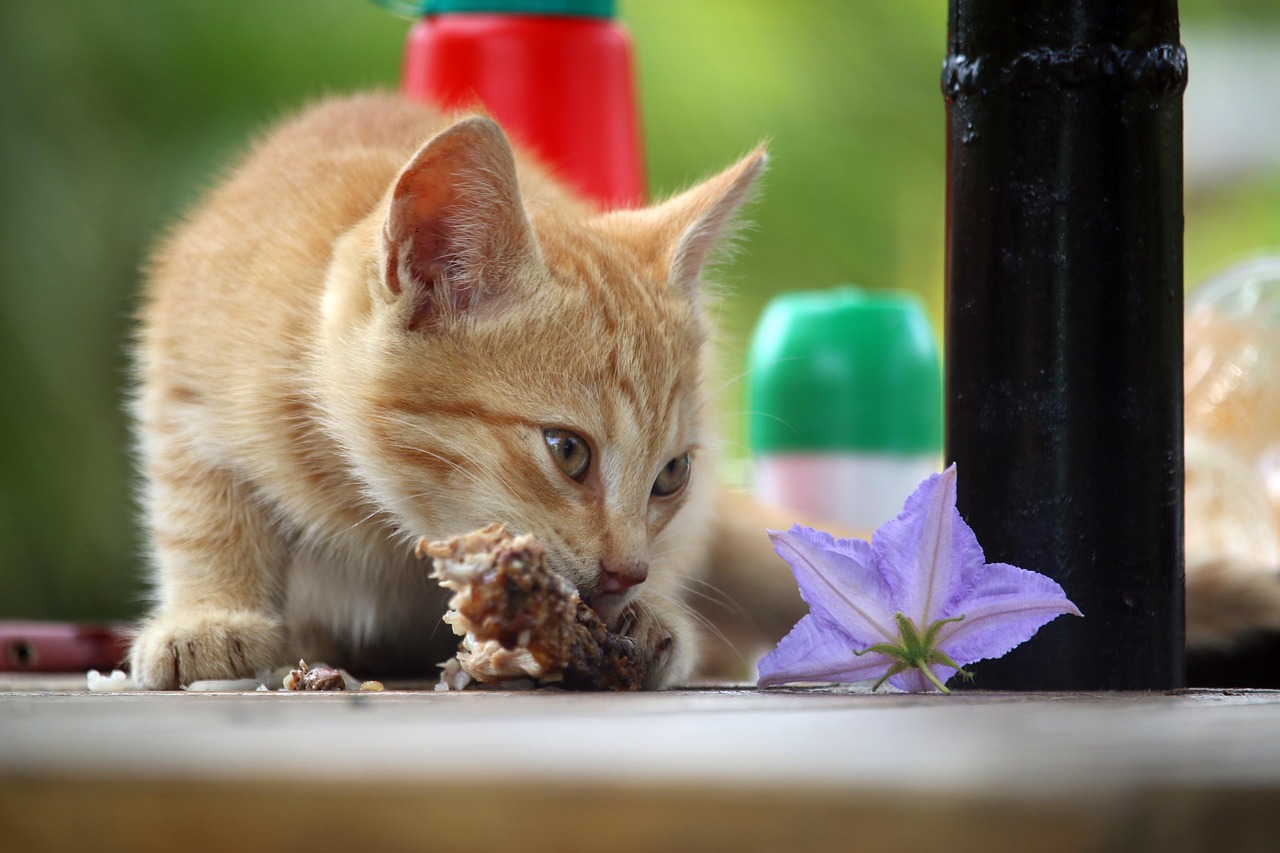

How to Gradually Introduce Cats Using Feeding Sessions
Introducing cats can be challenging, especially when there are multiple felines involved. One effective method for socializing cats is through their feeding sessions, which can create positive associations and help them bond. Begin by selecting a quiet and comfortable area in your home where both cats can feel safe. This space should be removed from distractions and loud noises. Ensure that each cat has its food and water bowls positioned at a safe distance apart, helping to minimize territory disputes. Gradually allow the two cats to notice each other during these feeding times, ensuring that they are calm and relaxed. Monitor their body language closely to gauge their comfort levels. Using treats can also be effective, helping to build positive relationships. If one cat shows signs of aggression, calmly remove the food sources to help maintain safety and comfort throughout the process. Initially, allow the cats to eat separately while exchanging scents by placing their bowls closer together over time. Overall, approach this process with patience and care, ensuring that each cat’s needs are respected as they adapt to one another.
During the initial stages of feeding together, it’s vital to observe their interactions. As confidence builds, you can steadily reduce the distance between their feeding stations. Positive reinforcement through treats when they remain calm will encourage friendly habits. If you notice one cat displaying signs of anxiety, such as hissing or growling, it is crucial to return to a safer distance. Always respect their boundaries and make adjustments as necessary. Additionally, providing plenty of toys and a variety of stimulation can help keep both cats engaged and less focused on each other. Adequate playtime can alleviate stress levels, making shared experiences during feeding time more enjoyable. Make sure each session is kept light-hearted and non-threatening. Keeping a routine during feeding will also establish a sense of normalcy, which cats greatly appreciate. Creating a comfortable environment for both cats can also contribute to successful interactions. Use calming pheromones or sprays to reduce tension if needed. With consistent practice, their feeding sessions can transition from a potentially stressful experience to a beneficial opportunity for developing a strong companionship.
Creating a Safe Feeding Experience
Fostering a safe atmosphere for cats during feeding sessions is essential for effective socialization. The placement of food and water bowls should consider each cat’s comfort zone. Opt for separate bowls in designated areas, ideally away from high-traffic zones in your home. This considers territorial instincts and provides a sense of security. Additionally, using anti-slip mats can prevent spills, ensuring that the cats feel stable and unthreatened during their meals. If space allows, consider elevated feeding stations for one or both cats, as this can also promote a sense of security. Encouraging natural behaviors during feeding is crucial; therefore, share meals at similar times while emphasizing proximity as opposed to interaction. If one cat finishes its meal faster, allowing interaction under supervision can reinforce trust over time. Notably, maintain consistency with these practices; cats thrive on routine and appreciation of the process. Alternatives like puzzle feeders can further elevate the experience and keep their minds engaged. The key to success lies in patience, understanding each cat’s nature while celebrating small victories along the way for both feline companions.
Incorporating variety into their diets can greatly enhance feeding sessions. Enjoy exploring different types of food that cater to each cat’s preferences and nutritional needs. Conducting taste trials can reveal favorable flavors that entice both felines, helping to create more enjoyable shared experiences. As they adapt to feeding together, consider introducing special treats. Including occasional high-value rewards can strengthen the bond as they learn to associate one another with positive outcomes. It’s also worthwhile to recognize the rhythm of their eating habits. Some cats might prefer to eat slowly, while others are more vigorous. Adjust the feeding strategy to avoid competition; allowing slower eaters to have the time they need helps in reducing frustration. To aid this, consider feeding items like canned food which can slow down their consuming pace. Be diligent in monitoring each session, noting which practices better support the improvements in converting meals into bonding moments. Both cats should feel rewarded in their own unique ways, making the overall experience enjoyable rather than daunting.
Building Positive Reinforcement
Using positive reinforcement is an invaluable tactic during feeding sessions, aiming to encourage favorable behaviors between cats. Whenever they exhibit calm and relaxed attitudes towards one another, offer treats or verbal praise. This consistent reinforcement helps them to associate each other’s presence with rewarding experiences. Gradually increase the amount of time they spend together during feeds, aiming for longer intervals without signs of stress. Create an atmosphere that celebrates every positive interaction, regardless of how small it may be. Moreover, watch for the moments when they interact appropriately. Bring attention to these instances to amplify their positive experiences. If one cat appears more timid, gently coax them with treats toward the bowl area while maintaining a safe distance from the other cat. Engaging in such behavior reassures both felines that being close brings rewards and contentment. Remain sensitive to their needs by balancing the interactions rather than forcing any exchanges. Ultimately, the goal is to produce a nurturing setting conducive to both cats growing progressively accustomed to one another while eating.
As the cats become more accustomed to each other’s presence during feeding time, gradually transition to simultaneous feeding sessions. It’s important to be conscious of any changes in their behavior. Similar to how they entered the process, reinforce positive behaviors whenever they remain calm during their shared meals. Notably, if any signs of aggression emerge, such as growling or swatting, take steps to separate them and reassess their situation. Gradual exposure is key at this stage; slow integration helps in creating positive experiences. You may also wish to introduce activities that can keep both cats engaged while they eat. Introducing interactive toys can help divert their attention when one cat appears more fixated on the other. Ultimately, observe how each cat responds to sharing and allow their behaviors to guide you. Gradual improvements will lead both cats to find comfort in each other’s proximity. Consistently celebrating these adaptations will fortify their bond. Hence, feeding sessions become less about competition and stress, allowing them the opportunity to enjoy the experience together.
Conclusion: Emphasizing Patience and Understanding
Patience and understanding are essential qualities to uphold throughout the gradual introduction process via feeding sessions. Every cat is unique, requiring their own pace to acclimatize to another cat’s presence. Some may warm up immediately, while others may take weeks to adjust fully. Crucially, anticipate setbacks; ambiguity and anxiety are normal reactions. It’s vital, therefore, to remain resilient during these moments. Use feeding sessions as an opportunity to learn each cat’s preferences and communicate accordingly. Foster a calm environment by controlling external stressors, allowing the cats to dictate the pace of interactions. Celebrate every moment of comfort you observe, whether it’s casually looking at each other or sharing personal space. With consistent practices, you can build a nurturing feeding routine that fosters a positive companionship between your cats. Together, they may eventually transfer their developed amicability from feeding to other daily activities, such as playing or lounging together. In summary, feeding time can become a fundamental part of enriching your cats’ lives, turning potential adversities into lasting friendships filled with joy and trust.
Lastly, do not hesitate to incorporate the guidance of professional trainers or behaviorists for personalized tips. They are equipped to analyze specific scenarios that might arise with your cats, providing insights tailored to your situation. Their expertise can support you in optimizing the feeding setup and practices to enhance the situation further. Ultimately, strive for a gradual and mindful approach, allowing the feline companions to flourish at their own pace while eating. In conclusion, the journey of socializing two cats through feeding sessions not only benefits their relationship, but may also promote better overall behavior and happiness. Cultivating a secure and enjoyable environment during meals can pave the way to enriched interactions beyond feeding. Therefore, define clear goals and set realistic expectations. By celebrating their successes along the way, whether it’s sharing food or simply being near one another, you’ll witness the blossoming of a friendship that can thrive for years.