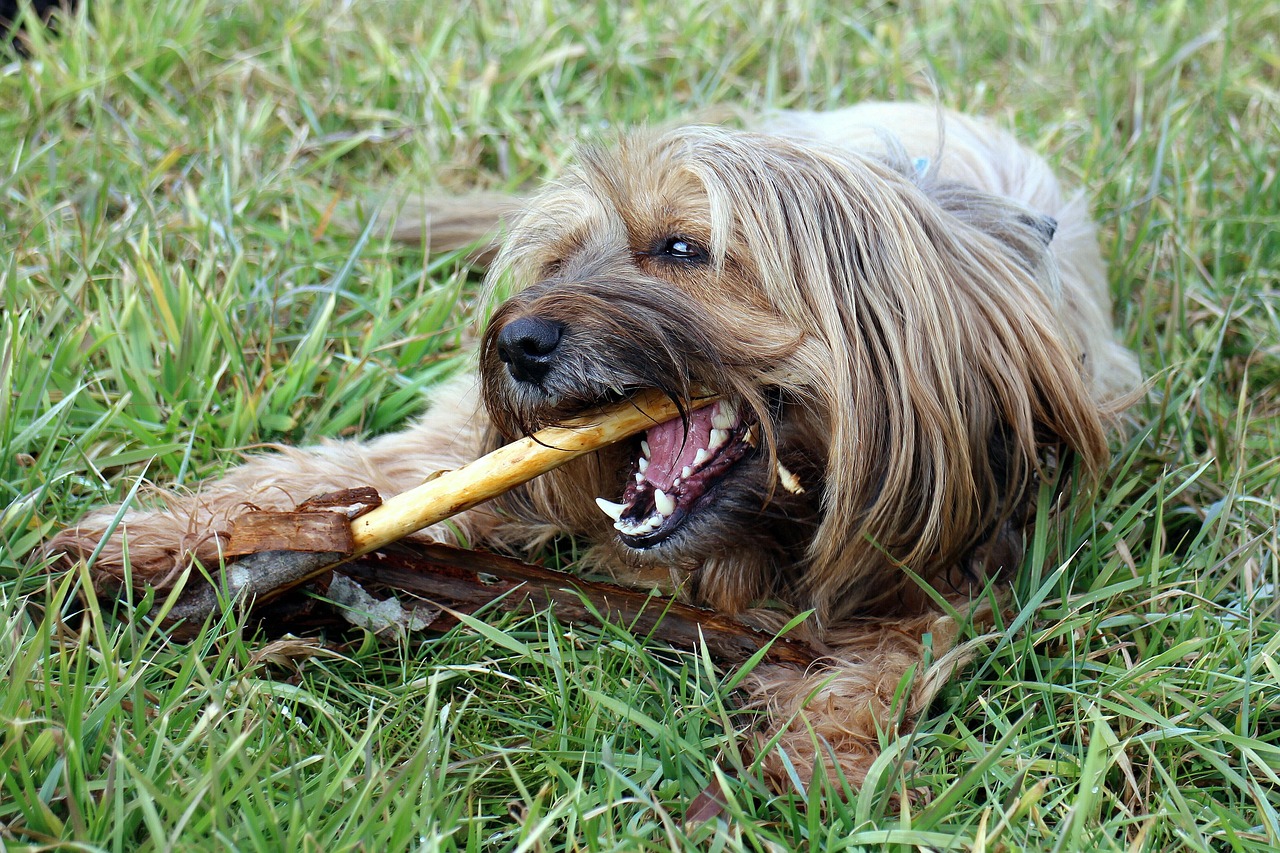

Signs Your Dog May Have a Tooth Infection
Tooth infections in dogs can be concerning for any pet owner. Recognizing the signs early is crucial, as they can lead to further health complications. One of the most evident indicators is persistent bad breath. If your dog has halitosis that doesn’t improve with regular dental care, it may indicate an underlying infection. Another sign is reluctance to eat or chew food. If your dog suddenly avoids hard kibble or treats, this discomfort might be due to a painful tooth. Furthermore, excessive drooling can be a warning sign. When dogs experience pain, they often drool more than usual. You may also notice swelling in the gums around the affected tooth, appearing red or even pus-filled. Behavioral changes are also key signs. If your usually playful dog starts acting withdrawn, showing signs of anxiety or irritation, it might be time for a vet visit. Regular dental check-ups can help prevent these issues, keeping your furry friend’s mouth healthy. If you observe any of these symptoms, don’t hesitate to contact a veterinarian for proper diagnosis and treatment to alleviate your dog’s suffering.
Another critical sign of a tooth infection in dogs is bleeding from the mouth. If you notice blood either on toys, during play, or from the gums, this indicates a serious dental problem that needs immediate attention. Such bleeding can occur when the gums are irritated or when a tooth becomes abscessed. Additionally, watch for changes in your dog’s grooming habits. If your dog normally enjoys having their face petted but suddenly avoids contact around the mouth, it likely signals discomfort. You might also observe your dog pawing at their mouth or face, which could be a response to pain or irritation. Smell your dog’s breath periodically, as a distinct odor can often indicate a bacterial infection. Check for visible changes, too, such as loose teeth or abnormal growths within the mouth. Often, an infection can lead to loose teeth as the supporting bone and soft tissues are affected. These signs are clues that deserve prompt attention from a veterinarian. By monitoring these behaviors, you can help minimize your dog’s pain and keep their dental health in check.
Common Causes of Tooth Infections
Understanding what causes tooth infections in dogs aids in preventing them. Bacteria typically lead to infections, introduced through periodontal disease, which develops when plaque and tartar accumulate on your dog’s teeth. Poor dental hygiene is often a significant contributor; regular teeth brushing is essential. In some cases, dental trauma can result in an infection. If your dog has chewed on a hard object or suffered a blow to the mouth, it can lead to damage, making the tooth vulnerable to infection. Additionally, breed and age can also influence susceptibility. Certain breeds are genetically predisposed to dental issues. Young dogs might also face challenges due to their emerging teeth. Daily dental care, including professional cleanings, can minimize risks. Always pay close attention to your dog’s dietary habits; soft food can sometimes worsen dental health. Ensuring they have proper chew toys designed to promote dental health can help alleviate this risk. By managing these factors, you can provide a healthier life for your pet and reduce the likelihood of a painful tooth infection.
Another preventive step includes monitoring your dog’s oral health closely. Regularly check your dog’s teeth and gums during grooming sessions. You should see pink gums; if they are red, swollen, or bleeding, seek veterinary help promptly. Look for buildup of tartar on the teeth, which manifests as a brownish coating. Early detection of dental issues can prevent more severe infections down the line. An effective dental care routine includes brushing their teeth several times a week or daily if possible. Consider using dog-specific toothpaste, which is designed to be safe for pets. Additionally, dental treats can help reduce plaque buildup. Incorporating these habits into your dog’s routine can go a long way in maintaining their dental health. Chewing on appropriate items like raw bones or dental chews can encourage natural teeth cleaning. Consult your veterinarian for recommendations tailored to your dog’s specific needs and dietary requirements. Using these strategies collectively can significantly reduce the incidence of tooth infections in your beloved dog, promoting overall well-being and happiness.
Treatment Options
If you suspect your dog has a tooth infection, it is essential to seek veterinary care promptly. Your veterinarian will conduct a thorough oral examination, possibly under anesthesia, which allows for a comprehensive evaluation of your dog’s dental health. Treatment may involve professional dental cleaning to remove tartar, followed by scaling and polishing to restore clean teeth. In serious cases, tooth extraction may be necessary if the tooth is severely damaged or abscessed. Your veterinarian may also prescribe antibiotics to eliminate infection and reduce inflammation. Post-treatment, you’ll need to implement a consistent dental care routine to prevent recurrence. It’s also essential to monitor your dog closely for any further symptoms and to follow through with follow-up appointments as advised by your vet. Providing a proper home dental care regimen goes a long way in sustaining health after treatment. This includes brushing teeth, using dental chews, and regular vet check-ups. By doing so, you can help your dog maintain a healthy mouth and prevent future infections.
Maintaining your dog’s dental health post-treatment is vital. By establishing a routine of dental care, you can significantly reduce the chances of reinfection. Creating a comfortable environment during brushing sessions can help your dog associate dental care with positive experiences. Use a soft-bristled toothbrush designed for pets and apply a small amount of vet-approved toothpaste for flavor. Gradually introduce this practice if your dog seems hesitant. Training them to enjoy the process can go a long way; start with short sessions, slowly increasing duration as they become accustomed. Regular professional cleanings at the vet, at least once a year, can also keep dental problems at bay. Additionally, monitor for changes in behavior or oral condition, as early detection can help address issues promptly. Encourage chewing with dental-specific toys and treats, providing stimulation while cleaning teeth. Also, offer fresh, clean water at all times to help wash away food particles. Maintaining this thorough regimen ensures your dog can lead a healthy and happy life while minimizing the risk of tooth infections.
Conclusion
Recognizing tooth infection signs in your dog is critical for timely intervention. From bad breath to drooling and bleeding, understanding these indicators can help catch dental issues early. Be proactive in your dog’s dental care through regular brushing, proper chewing habits, and consistent veterinary check-ups. Awareness of potential causes and risk factors provides valuable insights into maintaining your dog’s oral health. Additionally, know that behavioral changes often signal underlying health problems. Seeking veterinary advice does more than eliminate infection; it promotes your pet’s overall well-being. By fostering a strong dental regime, post-treatment care becomes more effective, guiding better outcomes. Don’t hesitate to ask your vet about effective prevention strategies, tailored to your dog. Investing time into dental hygiene brings remarkable benefits for long-term pet health. Remember that your dog’s comfort and happiness largely depend on their health, including dental health. Stay attentive to any changes, and ensure regular care, as every effort counts in promoting a lasting bond with your furry friend.
Pet dental health is often overlooked, yet is essential for overall dog wellness. By assuming a proactive approach towards your dog’s oral hygiene and recognizing the signs of dental diseases, you can extend their life and ensure their happiness. Always remain vigilant; a happy and healthy dog has a bright future ahead. Build good habits that set the stage for routine oral care and consultations. If you find any troubling signs of dental issues in the future, remember that timely veterinary intervention is key. Educate yourself about your dog’s specific dietary needs, as nutrition plays a vital role in promoting healthy teeth. Moreover, socializing your dog around other pets may provide additional insights into their behaviors, which can help identify health changes early on. Each step you take towards better dog dental care is a step towards improving their quality of life. Make dental health a priority, and witness the impact on their overall happiness. In conclusion, with consistent efforts in maintaining your dog’s dental health, you’re ensuring not just their tomorrow but enriching every day of their lives.