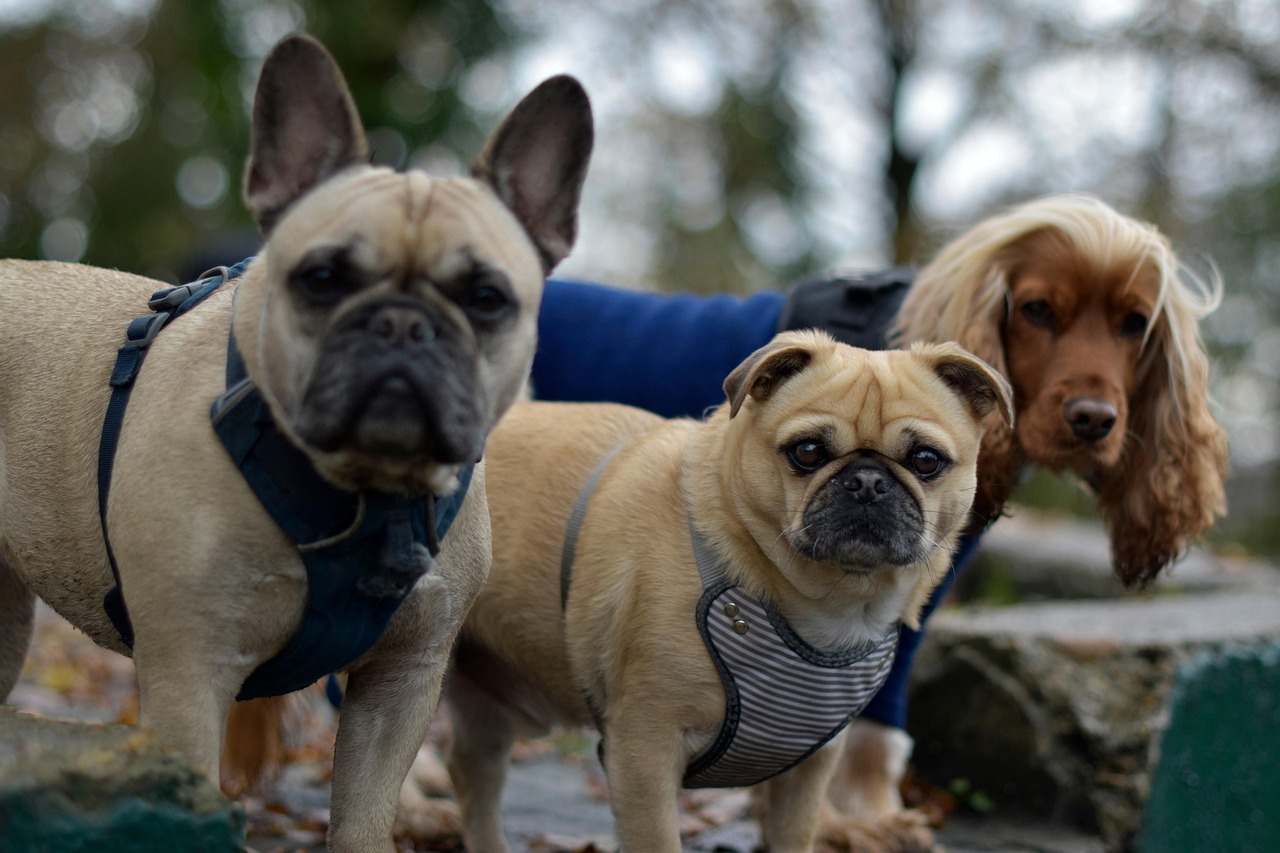

The Impact of Group Dog Exercise on Mental Health
Participating in group dog exercise classes presents an opportunity for both dogs and their owners to enhance their well-being. Engaging in physical activity with others promotes a sense of community while working on fitness goals. Dogs, like humans, need physical exercise and social interaction; hence, group classes facilitate both, fostering positive behaviors. These classes provide an excellent way for dogs to socialize with other canine companions. This socialization is key for reducing anxiety and preventing behavioral issues. Moreover, dog owners benefit tremendously by forming bonds with fellow enthusiasts. Each session often leads to friendships and support networks, giving owners a sense of belonging. The shared experience of training together is both valuable and motivational. A supportive community can help individuals stick to exercise plans, and dogs help encourage their owners to be more active. It provides structure in a casual and enjoyable setting, making attendance more appealing. Additionally, regular exercise like that offered in these classes can lead to weight management for both dogs and their owners, contributing to long-term health improvements. Overall, group dog exercise classes serve as a foundation for enhanced fitness and vital relationships.
Improving Mental Health through Exercise
One of the most significant advantages of group dog exercise is its positive impact on mental health. Regular exercise is known to reduce symptoms of anxiety and depression; therefore, incorporating pets into this equation can further amplify these benefits. Dogs are naturally optimistic creatures, and their joy during exercise can rub off on their owners. The bond shared during these classes can provide emotional support, creating a safe space for individuals dealing with stress or other mental health issues. Engaging in physical activity fosters the release of endorphins, also known as ‘feel-good’ hormones, improving mood and reducing stress levels. Additionally, the responsibility of caring for a dog also serves as a motivation to stay active. This duty often leads dog owners to exercise more than they would without a pet. Furthermore, being part of a group enables participants to share their challenges and triumphs, promoting a supportive environment; this collective experience of overcoming hurdles together strengthens group morale. The reduction of isolation through social interaction with others engaged in the same activity can similarly boost one’s sense of belonging, necessary for anyone struggling with their mental health.
Group dog exercise classes also encourage accountability and consistency, essential elements for maintaining both physical and mental fitness. When people meet regularly, they often feel compelled to show up, not just for their dog but also for their newfound friends in the group. This commitment can be crucial for individuals who may struggle with motivation when exercising alone. By working together, owners can set collective goals and hold each other to their commitments. Additionally, shared experiences can include attempting new exercises or overcoming obstacles alongside their dogs. This mutual achievement fosters a sense of accomplishment, greatly boosting self-esteem. Healthy peer pressure might also encourage participants to push their limits, adding variety in training while maintaining interest. Many studies indicate that exercising in groups can see better adherence to fitness programs than solitary workouts. Regular interaction during group classes can minimize feelings of loneliness, which is particularly beneficial for individuals who may lack a robust social circle. The combination of relying on one another for support and witnessing tangible results can significantly uplift spirits, showcasing that integrated approaches to fitness and mental well-being can go hand in hand.
Emotional Bonding with Dogs
Group dog exercise classes also provide an excellent platform for dog owners to bond with their pets. Strong emotional connections between owners and their dogs can enhance overall satisfaction in life, especially during physical activities. Activities designed for dogs during these training sessions can foster listening skills and trust, key ingredients in any relationship. When a dog responds positively to commands and participates actively, it instills a sense of pride and accomplishment in the owner. This enhanced bond is not only gratifying; it also plays a role in improved behavior. When dogs feel connected with their owners during exercises, they are more likely to exhibit calmness and focus outside of the group setting. Furthermore, engaging in regular physical activities can help address behavioral issues such as excessive barking or hyperactivity. As dogs experience structured routines, they become more relaxed and manageable and provide greater joy in shared experiences. The act of exercising together induces positive energy that contributes to a harmonious relationship, reinforcing the idea that physical activity is essential for both dogs’ and owners’ well-being. This emotional bonding with dogs can be remarkably rewarding.
Moreover, group dog exercise promotes an environment of learning and development. These classes typically provide opportunities for owners to learn from professionals or more experienced peers. Understanding dog behavior and body language in a group setting allows owners to gain insights that may not emerge in a private or unstructured exercise environment. Greater knowledge can enhance the experience for both the dog and the owner. Learning how to encourage positive behaviors effectively deepens the bond during activities. In this way, dog exercise classes become educational experiences on top of being physically engaging. Additionally, watching other owners interact with their dogs can inspire new training techniques, stretching the limits of conventional approaches. Observational learning can lead to discovering which techniques yield the highest success with specific breeds or issues. This educational aspect may empower owners, allowing them to find individualized methods that resonate with their relationships. Educational engagement remains a powerful tool for improving not just obedience but also the entire dog-owning experience. Such empowerment translates to an improved home environment for both pets and their owners, promoting healthier living overall.
Community Building and Support
Community building happens naturally in group dog exercise settings. The casual nature of these classes fosters interaction between participants. As dog owners meet regularly, they establish friendships built around common experiences and goals. This camaraderie creates a strong support network that can prove invaluable, especially for those facing personal challenges. Participants often share tips, struggles, and advice while socializing with their furry companions. This sharing may include recommendations for products, services, or alternative exercises to enhance their routines. The trust built through these relationships can lead to lasting friendships extending beyond the exercise class. Owners can schedule playdates, hikes, or additional activities together. Reaching out for support during tough times can become easier with this network, promoting mental resilience. The safety that comes from having others who understand one’s circumstances is invaluable. A strong community is beneficial for maintaining motivation, enabling people to hold each other accountable for their fitness objectives. Ultimately, this collective effort helps create a healthier lifestyle. This sense of belonging plays a significant role in enhancing overall well-being for both dogs and their owners, demonstrating the powerful impact of socialization.
Lastly, the engagement in group dog exercise classes brings fun into fitness. Often, combining a friendly atmosphere with exercise can lead to a feeling of joy rather than just another workout session. Participants often enjoy the fun, playful nature of their dogs engaging with others. This atmosphere can elevate moods, making the pains of daily stress more manageable. When activities are enjoyable, individuals are more likely to stick with them long-term. The excitement of meeting other dogs and engaging in varied activities allows for spontaneity in workouts, combating monotony. From agility courses to group walks in interesting locations, each session can become an adventure for both dogs and their owners. This positivity can further improve mental health by changing the perception of exercise from a chore to an entertaining activity. The communal excitement surrounding the activities also energizes the participants. As people join together to cheer on their dogs during activities, they feel a camaraderie that reinforces connections. Ultimately, group dog exercise nurtures a balance between achieving fitness goals and feeling enriched by joyful experiences with one’s dog.