
The Role of Human Interaction in Shaping Cat Personality
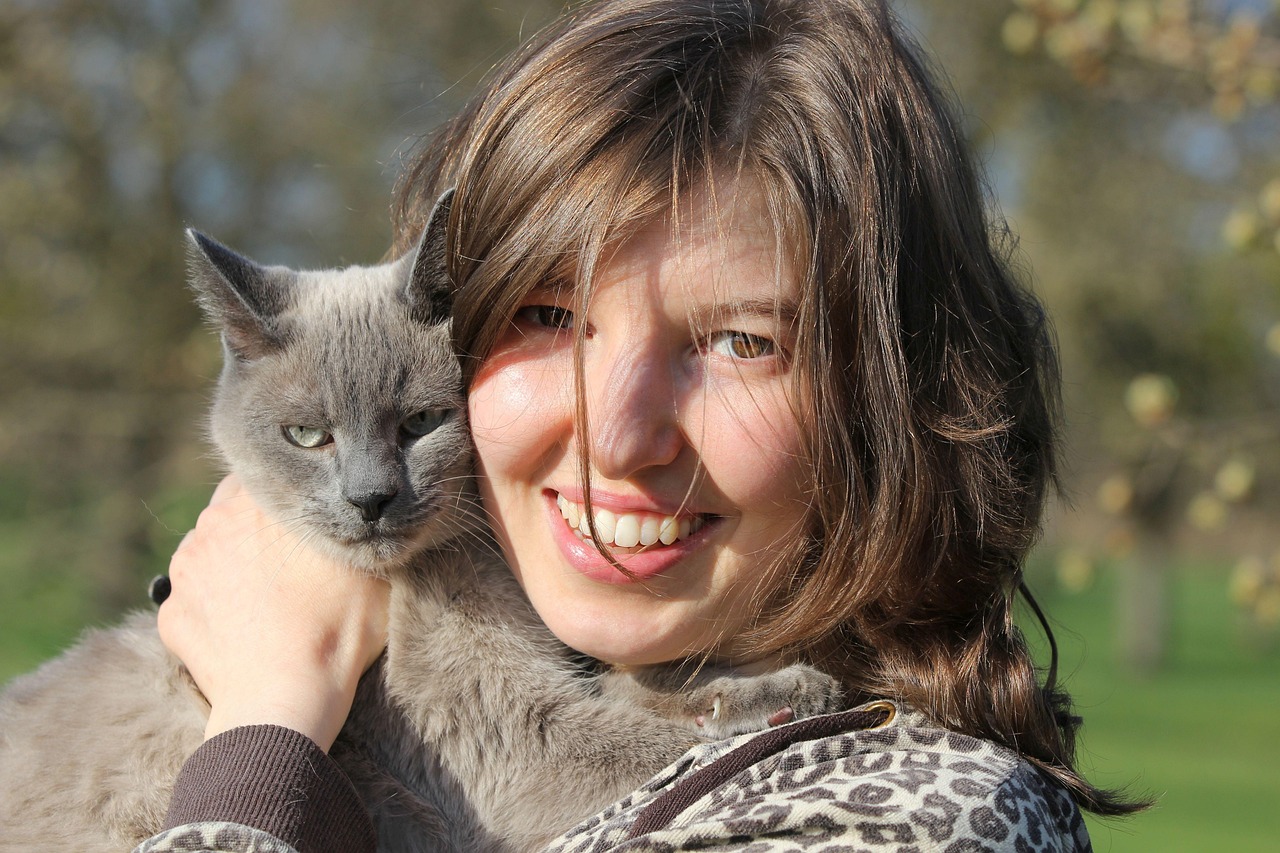
Understanding how human interaction influences cat behavior and personality is essential for cat owners. Early socialization plays a critical role in shaping feline responses to people and their environment. Kits exposed to positive human interactions during their formative weeks often develop into affectionate companions. On the other hand, cats lacking this early exposure may display fear or aggression towards humans. It’s crucial that owners provide a loving, safe environment. Building trust takes time, and gentle handling helps to instill confidence. Regular, positive interactions may reduce anxiety and avoid behavioral issues. Calming behaviors from the owner, like soft speech and gentle movements, encourage the cat to feel at ease. Encouraging exploration and playfulness through interactive toys can also boost their self-esteem. Cats are known to exhibit unique personalities influenced by their experiences. As you interact positively, your cat’s interactions become more enthusiastic and playful. Therefore, fostering a nurturing atmosphere is essential for developing a strong bond with your feline friend. Ultimately, your engagement shapes your cat’s personality and behavior significantly. This interaction can lead to a rewarding experience for both the cat and the owner, enriching lives in countless ways.
Building a deep understanding of cat emotions is pivotal in improving their well-being. Cats express their feelings through body language, vocalizations, and behaviors. By observing these signs, owners can respond appropriately to their pet’s needs. For instance, a cat who rolls onto its back is seeking affection. Conversely, if a cat hisses or swishes its tail, it may feel threatened. Awareness of these signals fosters an emotional connection that enhances the cat’s trust in its owner. Engaging in calming activities, such as gentle petting or soft conversation, can boost a cat’s comfort level. Regular routine and stability in their environment can also reduce anxiety. Integrating small interactions throughout the day, like brief play sessions, encourages mental stimulation and prevents boredom. Also, creating safe spaces, such as high perches or cozy corners, helps cats retreat when feeling overwhelmed. Always ensure that interactions are tailored to the individual cat, as personality types vary significantly. In summary, understanding and responding to a cat’s emotional expressions builds a secure relationship. The resultant emotional bond between owner and cat offers numerous benefits, including improved behavior and a more joyful coexistence for both.
The Impact of Play on Cat Development
Playtime is a fundamental aspect of a cat’s growth and overall happiness. Engaging in interactive play helps develop social skills and physical agility. This crucial aspect of a cat’s development is deeply influenced by human involvement. Using toys such as feathers or laser pointers can stimulate a cat’s natural hunting instincts. Observing play behaviors, such as pouncing or stalking, offers insight into how a cat interacts with its environment. Offering a variety of toys keeps cats mentally alert and encourages them to explore. Cats that play regularly are generally more confident and socially adept. Interactive playtime can also strengthen the bond between cat and owner. Owners who participate in play showcase their commitment to the cat’s well-being, which fosters trust. Research indicates that the frequency and quality of play directly correlate with reduced behavioral problems. The exercise gained during play leads to healthier, happier cats. It’s essential not to overlook the importance of structured play that imitates natural behaviors. Highlighting play as a vital human interaction emphasizes its significance in shaping positive feline personalities across various life stages. Cat owners should prioritize regular play sessions, integrating them into daily routines.
Positive reinforcement training enhances feline behavior and helps cats adapt to living with humans. Encouraging good behavior through rewards like treats or praise fosters a sense of accomplishment. This training method not only cultivates desired actions but also deepens the human-animal bond. Cats learn best through consistency, so owners should ensure that training sessions are short yet effective. Using clicker training can clarify which behaviors are preferable, leading to a more assured response from the cat. Socialization with other pets and people during these sessions can further improve a cat’s confidence. Engaging in fun, simple commands like ‘sit’ or ‘high-five’ can stimulate interest and promote a positive environment. Cats thrive on structure, making an organized training schedule beneficial. As cats see their owners as their primary companions through training, they grow more comfortable and trusting. Moreover, the act of training itself becomes an additional avenue for interaction, enriching the everyday experiences shared between human and cat. Fostering this environment through a reward-based approach encourages both good behavior and secure emotional connections. Ultimately, positive reinforcement leads to more pleasant relationships and reduces stress within multi-pet households.
The Role of Environment in Cat Behavior
A cat’s home environment significantly shapes its personality and behavior, so creating a nurturing atmosphere is essential. Spaces designated for resting, playing, and exploring will create opportunities for positive interactions. Cat trees and scratching posts provide stimulation while allowing safe outlets for natural instincts. Incorporating cozy hideaways where a cat can retreat promotes feelings of safety and security. Bright, interactive areas encourage playtime, ensuring cats engage in mentally and physically stimulating activities. Observational studies have shown that cats in enriched environments tend to exhibit fewer behavioral issues. These environments can also tend to consist of vertical spaces, allowing cats to climb and survey their territory. Space organization should be mindful of the cat’s comfort levels, enabling it to thrive. Pay attention to the placement of litter boxes and food dishes to ensure they are in comfortable, quiet locations. A well-designed environment encourages exploration while limiting stressors like loud noises or abrupt movements. Additionally, ensuring that all members of the household understand the cat’s preferences fosters a respectful coexistence. Crafting an environment that nurtures specific behaviors reinforces the bond between cat and owner, leading to more harmonious living.
Veterinary care is another dimension of human interaction that strongly impacts cat behavior. Regular check-ups help identify health issues that may lead to behavioral changes. Pain or discomfort can significantly alter a cat’s personality, making it vital for owners to maintain a proactive approach. Early detection and treatment of potential problems ensure a better quality of life for cats. Additionally, establishing a routine for veterinary visits creates familiarity for the cat. This understanding can reduce stress during examinations and fosters a more positive association with the veterinary office. Utilizing calming techniques, like pheromone sprays or gentle handling, during visits can also minimize anxiety. Educating owners about the importance of dental care, vaccinations, and preventative treatments further enhances overall well-being. It’s vital to communicate openly with the veterinarian regarding any observed behavioral changes. Such discussions can lead to tailored approaches in handling your pet. Ultimately, the owner’s commitment to health impacts emotional stability and behavior. Veterinary involvement, paired with effective human interactions, promotes a thriving feline. This holistic approach is essential for anyone wishing to build a deep, quality relationship with their pet.
Conclusion: Fostering Positive Interactions with Cats
Ultimately, shaping a cat’s personality is an ongoing process that thrives on consistent, positive human interactions. Engaging through play, training, and nurturing environments enables the cat to build trust and affection toward owners. Being attentive to their needs and emotions greatly enhances the relationship between pet and owner. Validating their feelings, through understanding signals and offering safe spaces, shapes a secure attachment. Additionally, maintaining regular veterinary care plays a vital role in ensuring the long-term health and happiness of our feline friends. Adapting interactions according to individual cat personalities is crucial. This personal approach encourages bonding and keeps each experience unique. Reflecting on these dynamics between cats and their owners can illustrate the rich connections we share. Each interaction is an opportunity for growth, leading to fascinating personalities that enrich our lives. As custodians of these unique creatures, cat owners hold the power to influence their pets positively. Dedicating time and effort allows for the vibrant exploration of life alongside a beloved cat companion, making every moment more meaningful. Therefore, focusing on enhancing interactions ensures a brighter, healthier future for our cherished feline companions.