
The Role of Hygiene in Reducing Dog Ear Infections
Ear infections are common issues faced by dogs, often leading to discomfort and potential health complications. Maintaining proper hygiene is essential in preventing these infections. Regular cleaning of a dog’s ears can help eliminate wax buildup, dirt, and moisture, which are contributing factors. A dog’s ear canal is unique, making them susceptible to infections if not cared for properly. Owners should develop a routine that incorporates ear cleaning as part of their pet’s grooming schedule. It is advisable to use veterinarian-approved cleaning solutions designed for canine ear hygiene. This ensures safety while effectively removing debris. Furthermore, keeping the dog’s environment clean and dry is crucial, especially in humid conditions that can foster bacterial growth. Identifying allergens in the dog’s environment is also necessary to address potential triggers of ear infections, reducing exposure to irritants. Observing the dog for early signs of ear infections, such as scratching or shaking the head, promotes early intervention. Taking proactive measures can contribute significantly to a dog’s overall ear health. Therefore, understanding the importance of hygiene in preventing ear infections is vital for dog owners.
Ear infections can be painful for dogs, leading to distress and behavioral changes. Preventing these infections starts with proactive cleaning and care. Owners should inspect their dogs’ ears regularly, ensuring they appear clean without excessive wax or discharge. It’s important to choose the right ear cleaning agents, as unsuitable products can cause irritation. Consult with a veterinarian about the best options for your specific breed and situation. Additionally, ensuring that the dog’s ears remain dry after activities, such as swimming or baths, aids in prevention. Moisture contributes to the bacterial and fungal growth that causes infections, so drying ears thoroughly is imperative. Some dogs have floppy ears that trap moisture, making them more vulnerable, thus requiring diligent cleaning routines. Conduct regular check-ups with the veterinarian, as they can monitor ear health and catch any signs of infection early. It is also beneficial to keep the dog’s fur around the ears trimmed to improve airflow, which aids in reducing humidity. This simple grooming practice can make a noticeable difference in ear health. Ultimately, a commitment to hygiene and care will lower the incidence of ear infections in dogs.
Importance of Regular Veterinary Check-Ups
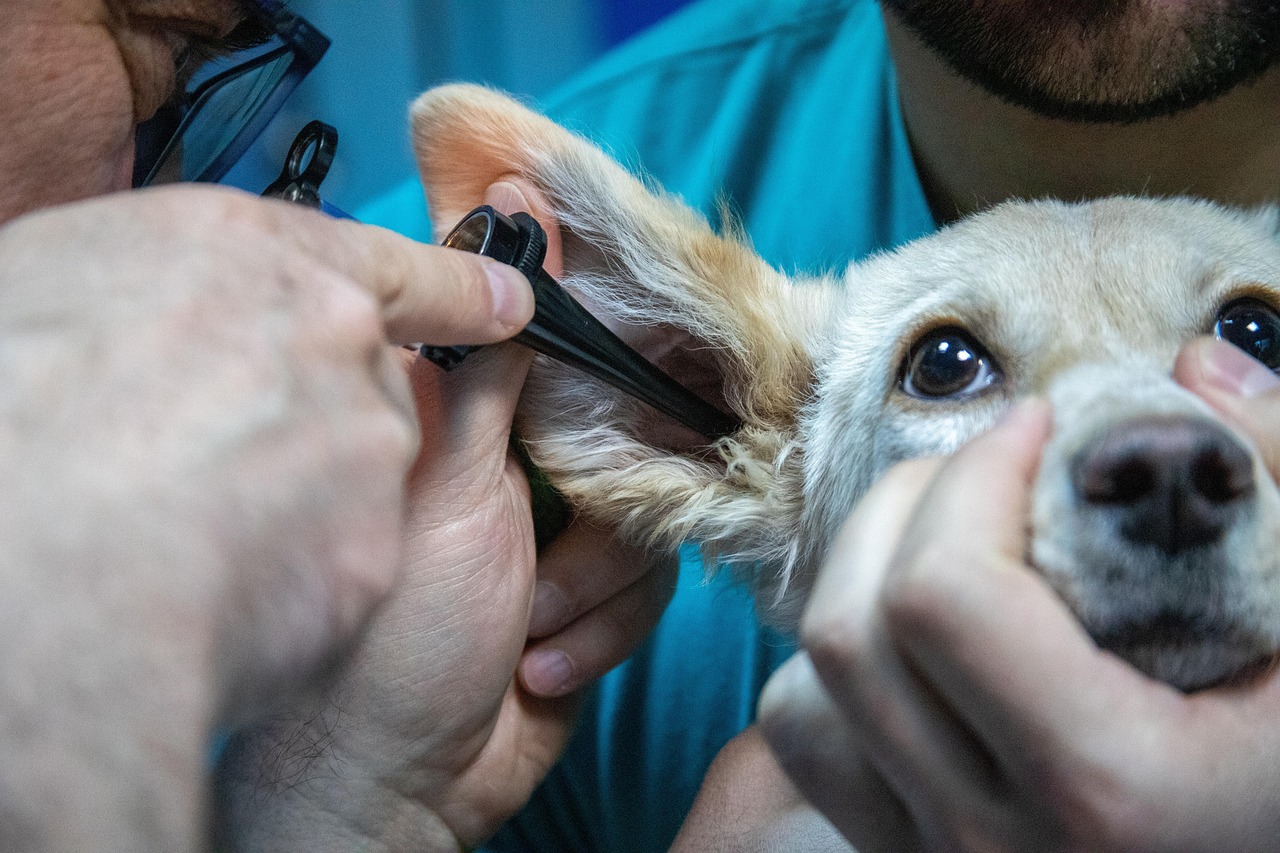
Veterinary check-ups play a critical role in maintaining optimal ear health for dogs. Regular visits allow for the early detection of potential ear issues before they escalate. Veterinarians have the expertise to identify infections or other medical conditions affecting the ears. During these appointments, they can perform cleanings and examinations that pet owners might struggle with. Comprehensive exams include checking for signs of irritation, inflammation, or blocked ear canals. Based on findings, vets could recommend specialized cleaning techniques or medications as needed. Furthermore, these check-ups provide an opportunity to discuss specific breed-related ear concerns and the best preventive measures. Knowledge of genetic predispositions to ear issues can help tailor hygiene routines adequately. Additionally, professionals may suggest dietary changes or supplements that promote overall ear health. Having an open dialogue with a veterinarian concerning any changes in the dog’s behavior or ear condition can facilitate timely interventions. Monitoring the dog’s response to any treatment will also inform the owner about what works best for their pet. Hence, the importance of regular veterinary consultations cannot be overstated when it comes to protecting dogs from ear infections.
Home care practices also contribute significantly to preventing dog ear infections. Together with professional care, these practices can help ensure a dog remains healthy and comfortable. Owners should establish a routine that includes monitoring their dogs for signs of discomfort or infection, such as excessive scratching or shaking of the head. If these symptoms arise, addressing them promptly is vital to prevent worsening conditions. Home treatments can also include using natural remedies, such as diluted apple cider vinegar, known for its antibacterial properties. Yet, it’s essential to consult with a veterinarian before trying any home remedies, as not all are safe or effective. Additionally, consider the dog’s diet because an imbalance in nutrition could lead to reduced immune response, making them more susceptible to infections. Ensuring a balanced diet filled with essential fatty acids can improve skin and coat health, ultimately benefiting ear health. Moreover, keeping the surroundings clean, including the areas where dogs sleep and play, is equally crucial for preventing infections. A clean environment minimizes the risk of bacteria and allergens affecting the dog’s ears, ensuring they remain infection-free.
Recognizing Symptoms of Ear Infections
To effectively reduce the occurrence of ear infections, dog owners must recognize the symptoms early. Common signs include frequent scratching of the ears, shaking of the head, and unusual odor emanating from the ears. Other signs to watch for are redness, discharge, or swelling in the ear canal. Changes in behavior, such as increased irritability or altered appetite, may also indicate an underlying issue. If a dog exhibits any of these symptoms, it’s essential to consult a veterinarian immediately. Early diagnosis and treatment can prevent further complications and discomfort. Vets will typically perform a thorough examination to determine the specific cause of the infection. This could involve taking cultures to identify the type of bacteria or yeast, enabling targeted treatment. Timely intervention reduces suffering and improves recovery outcomes for the dog. It’s also beneficial for owners to keep track of any recurring issues with their pet’s ears over time. Documenting these instances makes it easier for veterinarians to create a precise health plan, preventing future occurrences. Overall, awareness and prompt action are key to maintaining canine ear health.
The cleaning process itself is vital when executing proper ear hygiene. Owners should approach ear cleaning with care to avoid harming the ear canal or eardrum. It is crucial to follow a gentle technique to prevent causing any irritation. Start by gathering the necessary supplies such as vet-recommended ear cleaning solutions, cotton balls, and possibly treats for the dog. Always remember to reward the dog with positive reinforcement during the process to make it a pleasant experience. The cleaning procedure should be done in a quiet space to help the dog remain calm. First, apply the cleaning solution by gently squeezing it into the ear. Next, massage the base of the ear to help loosen debris. After a short period, allow the dog to shake its head to remove excess fluid and debris. Finally, wipe away any remaining dirt with a cotton ball, ensuring not to go too deep. It’s important not to use cotton swabs inside the ear canal as they can push debris further in. Establishing a regular cleaning schedule can significantly help reduce the incidence of ear infections.
Conclusion and Preventive Measures
In conclusion, fostering a habit of consistent ear hygiene is essential for every dog owner. Preventive measures go beyond simple cleaning; they include monitoring and early detection of symptoms. By establishing a routine, which encompasses regular cleaning, routine veterinary check-ups, and being vigilant about signs of infection, owners can protect their dogs from ear infections. Ensuring that dogs spend time in clean environments also plays a role in managing ear health. Additionally, educating oneself about potential allergens and dietary influences allows owners to create a tailored approach to care. It’s essential to promote ear cleanliness and comfort as part of a larger wellness strategy for dogs. Remember to consult with vets regarding any existing health issues that might complicate ear hygiene practices. Lastly, the bond between a dog and owner can be strengthened through these caring actions, resulting in a happier and healthier pet. When hygiene is prioritized, the likelihood of ear infections significantly decreases. Therefore, committing to these practices is invaluable in ensuring that dogs lead comfortable, happy lives, free from the discomfort associated with ear infections.