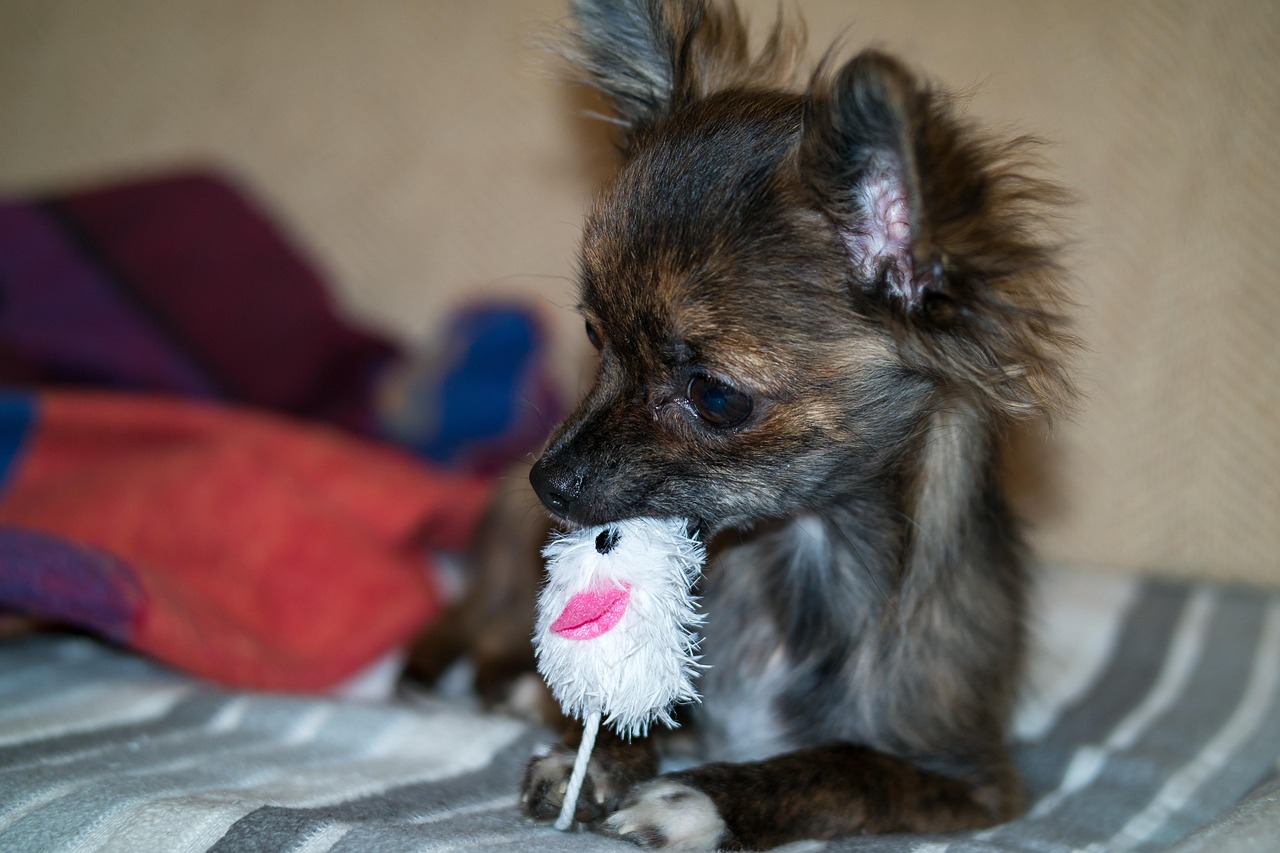

The Role of Small Dog Toys in Preventing Separation Anxiety
Separation anxiety is a significant issue that many small dogs face when their owners leave them alone. A common way to help alleviate these feelings is through the use of engaging small dog toys. These toys can serve multiple purposes, providing mental stimulation and physical activity that can keep a dog occupied during the owner’s absence. Toys specifically designed for smaller pups are essential as they cater to their size and tendencies. Chew toys, plush toys, and interactive puzzles are excellent choices for small breeds. Using these toys allows a dog to express their natural instincts to chew, play, and explore. The right small dog toys can change a pet’s routine, giving them something enjoyable to focus on while their family is away. They can also help to create a positive association with being left alone. When a small dog learns that they have fun toys to play with, it can reduce anxiety levels significantly. This leads to a happier, healthier pet overall. Additionally, owners should rotate toys regularly to maintain the dog’s interest and engagement while they are alone.
When it comes to selecting small dog toys, variety can be incredibly beneficial in preventing boredom and anxiety in dogs. Toys that squeak, crinkle, or make noise can capture a dog’s attention and stimulate their curiosity, making the time spent alone feel less stressful. Squeaky toys are particularly engaging; they mimic the sounds of prey and stimulate natural instincts. Chew toys, particularly those that are soft or rubbery, also provide comfort for dogs who may experience anxiety when left alone. Using alternatives like filled toys can distract the dog and keep them entertained for longer periods. Treat-dispensing toys challenge dogs mentally while rewarding them with tasty treats, making it a win-win scenario. Moreover, puzzle toys can provide various levels of complexity, offering a challenge that can prevent dogs from feeling bored or anxious while their owners are away. By keeping their minds engaged, dogs tend to handle separation better. Also, combining different types of toys can promote both mental stimulation and physical activity. Incorporating some plush toys alongside chew toys is a great way to balance their playtime.
Incorporating training toys can also play an essential role in preventing separation anxiety in small dogs. These types of toys encourage dogs to engage actively while employing new skills or reinforcing what they’ve already learned. Training toys not only serve as a distraction but can also provide a sense of achievement when the dog figures them out. This adds a layer of cognitive engagement that goes beyond simple play. Interactive toys requiring the dog to think about how to extract a treat or perform a certain task can keep their minds occupied for extended periods. These toys can help create positive habits consisting of new behaviors and games that dogs can lookup to during their owners’ absences. Engaging them with training tasks allows them to channel their natural energy and curiosity positively. Moreover, continuously training your dog with these toys creates a routine that can enhance their responses to being left alone. It’s essential to introduce these toys gradually, allowing your dog to build confidence as they learn new tricks with every session.
Comfort and Stress Relief through Toys
Beyond stimulating play and distraction, small dog toys can offer comfort to pets, significantly reducing their anxiety when home alone. Many small dogs find solace in soft, plush toys they can snuggle with, simulating the comfort they get from their owners’ presence. These toys often serve as security objects for dogs, helping them feel safe and secure in their environment. The act of chewing or carrying a toy adds an element of soothing behavior that can calm an anxious mind. Moreover, incorporating items with scents that remind them of their owners can foster feelings of attachment and reduce feelings of loneliness. The scent of the owner’s clothing transferred to toys can create a familiar sensation for the dog. Creating a cozy environment with these comforting toys can ease anxiety significantly. Rotating these comfort toys can also offer freshness while maintaining that source of security. Similarly, toys infused with calming materials, such as a lavender scent, can further help soothe anxious dogs. These approaches can pave the way for a happier home life with significantly improved behavior when left alone.
Establishing a routine around playtime with small dog toys can further enhance a dog’s ability to cope with separation anxiety. Dogs thrive on structure and understanding when they can expect time with their owners. By engaging with toys in a set routine, a dog learns that time apart does not equate to abandonment, making it easier for them to handle extended solitude. An effective strategy is to spend quality time each day introducing various small dog toys before leaving your dog momentarily. Over time, the dog associates playtime with positive experiences, preparing them for the times when they must be on their own. Using treat-filled toys during your departures can divert a dog’s attention as they try to extract the treats, enabling them to feel more engaged as you leave. It’s essential to create a positive exit routine; minimizing the emphasis of goodbyes helps lessen anxiety. The goal is to teach the dog that being alone is a normal but temporary condition, which can lead to more adaptive behaviors during those times. Keeping things upbeat during playtime also reinforces a sense of security.
Socialization is another critical aspect of employing small dog toys to combat separation anxiety. Ensuring dogs engage with toys that allow for interactions with other pets can help build confidence and comfort when left alone. For instance, some dog toys promote play among multiple dogs, thereby facilitating bonding experiences. These toys can teach dogs to share, interact, and play collaboratively, offering positive experiences that enhance overall socialization. When small dogs learn to enjoy being with others, they develop a sense of belonging that can help mitigate feelings of loneliness. Additionally, inducing play sessions with their playmates fosters a sense of community, which can impact a dog’s emotional well-being positively. However, it’s essential to gauge your dog’s comfort level when introducing toys in communal situations. Encouraging healthy social interactions through cooperative play with toys reinforces the bond between dogs and helps build resilience. The more social skills a small dog develops, the less likely they will feel anxious when faced with solitude. Collaborating with other dog owners during playdates can also support ongoing socialization, fostering positive experiences.
Conclusion on the Importance of Small Dog Toys
In conclusion, small dog toys play a crucial role in preventing separation anxiety by providing stimulation, comfort, and engagement for small dogs. These toys come in various forms, ensuring they cater specifically to small pets’ needs and preferences. Through careful selection and introduction of these toys into a dog’s routine, owners can create a positive association with time apart, reducing anxiety levels significantly. Additionally, training, comfort, and social interaction through toys enhance a dog’s ability to cope when left alone. Over time, strategies like establishing routines and encouraging playtime with other dogs can further strengthen resilience in small breeds. By understanding your dog’s preferences and behaviors regarding play, you can select appropriate toys to make each departure a bit easier for them. Remember to rotate toys and maintain an engaging environment for your pet. The right toys can lead to healthier, happier dogs that handle separation more gracefully. For any dog owner struggling with their pet’s anxiety, investing in quality small dog toys can be a game-changer in creating a balanced and joyful life for their beloved companion.