
Using Positive Reinforcement to Encourage Socialization
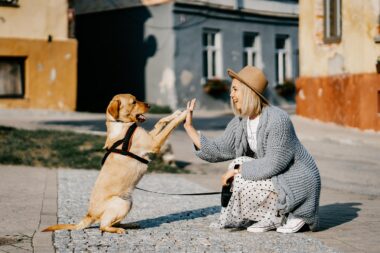
Socialization is a crucial aspect of dog ownership that significantly impacts canine mental health. Introducing dogs to a variety of environments, situations, and other animals helps them develop confidence and reduce anxiety. Socialization allows dogs to learn how to interact appropriately with other dogs and people. It also enables them to adapt to different environments, which is essential for their overall well-being. Positive reinforcement is a method that encourages desired behaviors, making it an effective technique for socializing dogs. By rewarding dogs with treats, praise, or playtime when they engage positively with others, owners can reinforce good behavior. This method helps create a positive association with social interactions, thus reducing fear or anxiety that dogs might experience in new situations. Furthermore, consistent reinforcement can improve communication between dogs and owners, fostering a stronger bond. Owners should ensure that socialization experiences are positive and gradual, avoiding overwhelming their dog. This prevents stress and reinforces the dog’s willingness to engage with others in the future. The goal is to enable the dog to feel secure and joyful during social interactions, leading to a well-adjusted and happy pet.
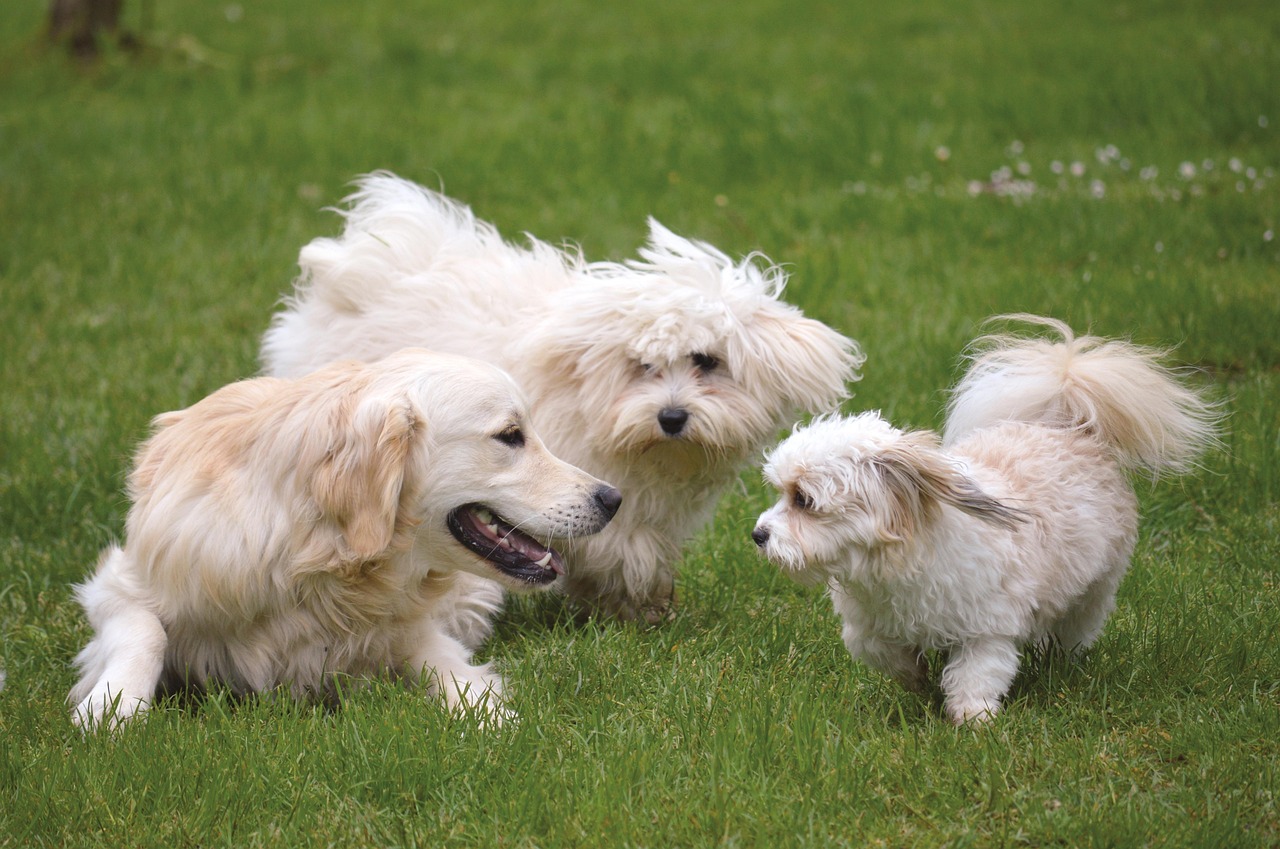
Starting early is key to successful socialization. Puppies are particularly receptive to new experiences between the ages of three and fourteen weeks. During this period, positive interactions can shape their temperament for life. Furthermore, exposing them to various stimuli, such as sights, sounds, and smells, provides essential information about the world. Gradually introducing them to other dogs, people, and different environments will help mitigate any fear or aggression. For instance, letting puppies play with calm and friendly older dogs can teach them proper play behavior. Positive reinforcement, such as offering treats and praise during these interactions, encourages adventurous behavior. Owners should remain vigilant for signs of discomfort or agitation, taking care to end the session positively if their dog appears stressed. By maintaining a focus on positive experiences, dogs will learn to trust their humans and feel safe exploring new environments. This groundwork decreases the likelihood of behavioral problems in adulthood, contributing to better mental health. Regular socialization, combined with positive reinforcement, can lead to a well-rounded, confident dog. Encouraging exploration and rewarding positive behavior establishes a foundation for lifelong social skills.
The Role of Positive Reinforcement
Positive reinforcement is not only effective but also humane. Instead of using fear or punishment to control behavior, this method builds on the dog’s natural instincts to seek rewards. It enhances learning by creating a safe and welcoming environment where dogs feel encouraged to participate. Dogs inherently desire to please their owners, and positive reinforcement taps into that instinct. For instance, when a dog receives praise or treats for greeting another dog calmly, it develops a positive association with that experience. This promotes further social interactions that enhance their ability to comfortably interact with others. Moreover, teaching obedience skills through positive reinforcement makes socialization smoother. Dogs are more likely to follow commands when they know they’ll receive rewards. Training sessions can be turned into fun opportunities that strengthen the bond between dog and owner. Additionally, incorporating socialization into daily activities, like walks or visits to pet-friendly places, allows dogs to encounter new experiences regularly. This consistent exposure, combined with positive reinforcement, helps to cement the lessons learned, making social behavior second nature. Ultimately, this approach leads to happier, healthier dogs.
To implement positive reinforcement effectively, owners should first identify what motivates their dog. Each dog is unique; some may respond better to treats, while others may find praise or toys more enticing. Understanding individual preferences helps tailor the approach for each dog. Once the motivator is identified, combining it with socialization opportunities becomes critical. For example, during a dog park visit, owners can reward their pets for playing appropriately with other dogs. This reinforces desired behaviors consistently throughout the socialization process. It’s crucial to remain patient and consistent; not all dogs will feel comfortable interacting immediately. Owners should recognize and celebrate small victories, whether it’s a quick sniff or a relaxed posture while meeting another dog. These moments should be acknowledged with praise or a treat. Furthermore, monitoring body language can be beneficial. Dogs display subtle signs of stress or unease, such as stiff bodies or tucked tails. Owners should intervene and provide reassurance when these behaviors arise, reinforcing the idea that they will support them during new experiences. Thus, success fosters confidence, leading to more progressive socialization outcomes over time.
Challenges in Socialization
Despite the benefits, some challenges can impede effective socialization. Rescue dogs, for instance, may come with a history of traumatic experiences that impact their ability to interact positively with others. Such backgrounds may cause them to exhibit fear-based aggression or avoidance behaviors. Addressing these issues requires extra patience and a tailored approach, where socialization is introduced slowly and carefully. Additionally, some breeds are naturally more reserved or timid, requiring more time to adjust. Owners should emphasize gradual exposure to mitigate the risk of overwhelming their pets. They can also enlist the help of a certified dog trainer or behaviorist, which helps provide professional guidance. Over time, with continued positive reinforcement, many dogs can overcome their initial fears. It’s crucial to remember that lasting changes don’t happen overnight. Socialization should be an integral part of daily life and training. Regularly engaging with other dogs and people, coupled with positive reinforcement, promotes long-term benefits. Through patience and consistent efforts, owners can witness transformative changes as their fearful or anxious dogs gain confidence and develop healthier interactions.
Moreover, creating a safe environment at home is equally important for effective socialization. Owners should establish a space where their dogs can retreat when feeling overwhelmed. This safe zone allows them to process new experiences at their own pace. It’s essential for owners to respect their dog’s boundaries, intuitively understanding when assistance is needed. Gradually introducing new environments can facilitate positive experiences as dogs become accustomed to various stimuli. For instance, starting with familiar settings – like meeting one new dog before gradually increasing the number of acquaintances – can ease anxiety. Engaging with other pet owners in a controlled environment, such as through puppy classes, reinforces positive interactions among dogs. These classes often provide valuable guidance and opportunities to socialize with peers. Additionally, outdoor adventures, such as hiking or visiting dog parks, expose pets to novel experiences, which contribute significantly to their development. Positive reinforcement during these outings, whether through treats or praise, builds essential confidence. With time, such experiences can culminate in a well-socialized dog that thrives both emotionally and mentally, contributing to overall mental health and happiness.
Monitoring Progress and Adaptation
As dogs progress in their socialization journey, owners must observe their development continually. Keeping track of improvements or regressions can help adapt strategies based on their responses to social situations. Documentation, like journaling details about social interactions, can reveal patterns and areas needing attention. If a dog shows signs of success in particular environments, owners can reinforce those scenarios by revisiting them often. Conversely, if a specific setting causes discomfort, it should be approached more slowly in the future. Gradual exposure to positive experiences will help dogs build stronger associations with socialization. It’s essential for owners to remain flexible in their approach and adapt their methodologies based on their observations. Encouraging feedback from trainers or fellow dog owners can also provide insights into further successful techniques. Regular socialization helps dogs develop coping skills and confidence, ultimately promoting mental well-being. By continuously refining techniques, owners can ensure that the socialization process remains positive and supportive. The end goal is a mentally healthy dog that can navigate the social world with ease and joy, thereby ensuring the fulfillment of their emotional needs.
In conclusion, socialization, enhanced by positive reinforcement, plays a vital role in fostering good mental health in dogs. The approach allows dogs to experience the world in a safe and positive environment. Through techniques that involve careful exposure to various scenarios and rewards, owners can positively shape their dog’s behaviors and attitudes. This foundational understanding of socialization can help mitigate potential behavioral issues in the future, paving the way for happier lives. Ultimately, dog owners who invest time and effort into their pets’ socialization create harmonious relationships facilitating mutual understanding and happiness. A well-socialized dog enjoys interactions with humans and other animals and feels less anxious and more adaptable. The lifelong impacts of positive reinforcement can lead to a confident, well-adjusted dog. This continuous support strengthens the bond between pet and owner, leading to an enriching experience for both. Finding joy in socialization and understanding its significance allows dogs to thrive in their environments. Such positive outcomes reflect the inherent bond between humans and canine companions, allowing for healthy coexistence.