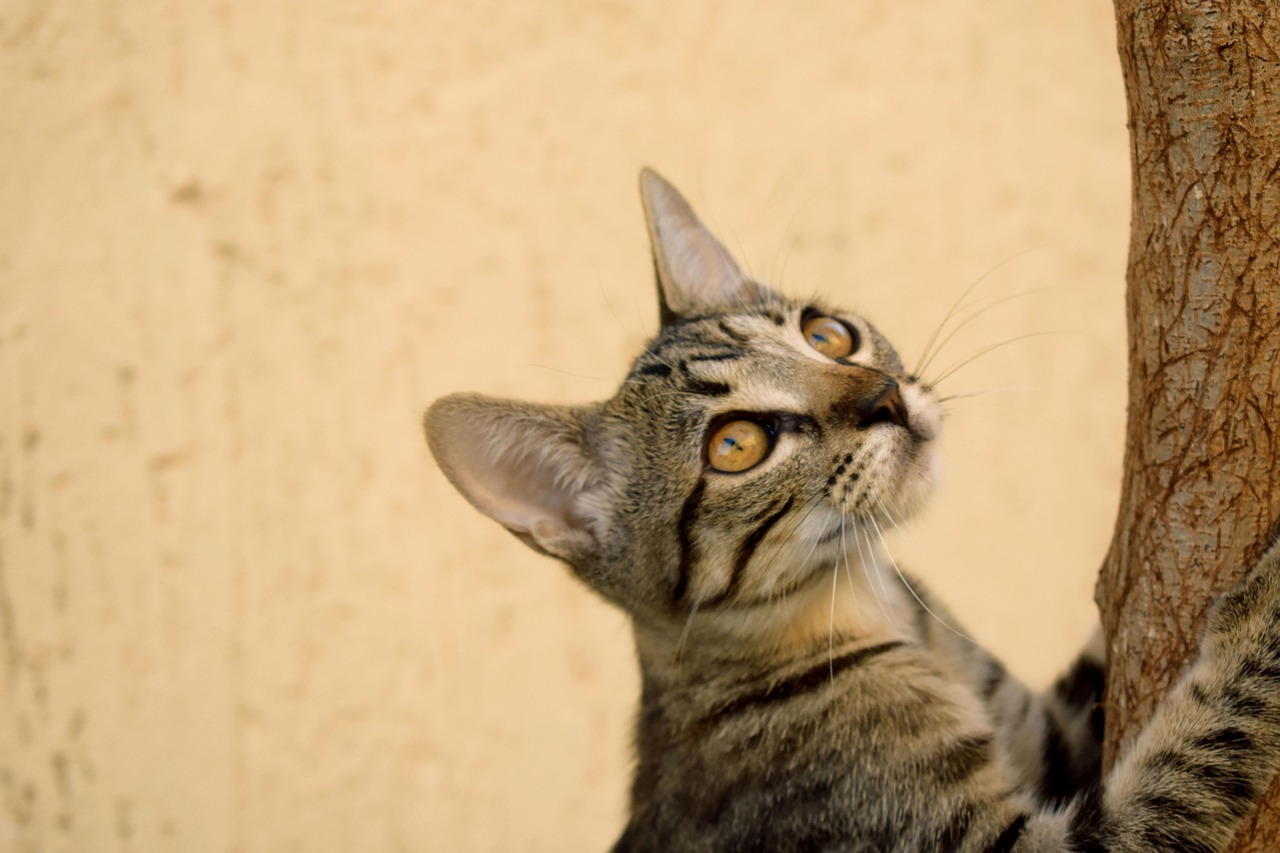

Cat Climbing Trees: Best Indoor Options
Indoor cats need exercise to stay healthy and happy. A cat climbing tree can provide an excellent opportunity for physical activity, mental stimulation, and a sense of security. When choosing a climbing tree, look for one that is sturdy and tall enough to allow your cat to climb and explore. Additionally, ensure it has multiple levels and platforms to encourage jumping and climbing. Cats are natural climbers, so providing a vertical play space is important. The materials used should be safe and durable, like wood and sisal, to withstand daily use. You might consider trees that come with attached toys or scratching posts, which can add even more entertainment value. With a variety of styles available — from tree-like structures to modern designs — finding the right fit for your home should be easy. Moreover, place this climbing structure near a window to give your cat an opportunity to observe the outside world, further engaging their curiosity. Look for trees that can fit various spaces in your home, so it doesn’t become a hindrance. Overall, a climbing tree can greatly enhance your indoor cat’s environment and activity level.
When selecting a climbing tree for your indoor cat, consider the size and weight of your feline friend. Typically, larger cats may require sturdier trees that can support their weight without wobbling. Look for options that provide ample space for larger breeds while ensuring they have levels to leap and perch from. Cat trees with multiple sisal-wrapped scratching posts are beneficial as they serve a dual purpose, allowing for both physical exercise and nail maintenance. Moreover, safety is crucial, especially for rambunctious kittens who may jump around a lot. Ensure that the structure is anchored correctly to prevent any accidents. It’s also essential to clean and maintain the climbing tree regularly to keep it an appealing play area. Regular vacuuming and spot cleaning will help reduce cat hair and odors, maintaining a pleasant environment for both you and your cat. You might want to attract your cat to the new tree with treats or toys, encouraging them to play and explore. Ultimately, investing in a high-quality climbing tree is essential for enriching your cat’s indoor life.
Types of Indoor Cat Climbing Trees
There are several types of indoor cat climbing trees available that cater to different preferences and sizes. Some climbing trees resemble traditional trees with branches and leaves, offering an organic look and feel. Others are designed more creatively, merging modern aesthetics with functionality. Multi-functional trees typically incorporate various features like hiding spots, scratching areas, and perches, making them ideal for active cats. Materials play a significant role in the durability and attractiveness of these structures. Softer options may involve faux fur and carpet, which can be comfortable but less resistant to wear. On the other hand, wooden structures offer resilience and a classic appearance. Moreover, you can find options with adjustable heights or modular designs, enabling you to customize the tree to fit your space and your cat’s personality. Before you purchase, check reviews or seek recommendations from other cat owners to ensure the tree will meet your specific needs. Remember to prioritize your cat’s health and comfort by selecting a climbing tree that will keep them engaged and entertained while encouraging healthy exercise habits.
In addition to providing a durable climbing structure, you might want to incorporate additional elements that enhance your cat’s playtime experience. These can include ramps or slides that allow for easy access to different levels of the tree. Many designs now feature integrated toys, such as hanging balls or feathers, that add an extra layer of fun and excitement. Cats, both young and old, benefit from the stimulation that these toys provide. You can also add some cat grass or small plants at the base of the climbing tree for an interactive experience. This can pique their interest, as cats enjoy exploring new scents and textures. Another fun idea is to create a cozy spot at the top with a soft blanket or a pillow, making it an inviting resting area once they tire out from climbing and playing. Consider giving your feline friends some privacy by adding curtains or small hideaways within the tree. This can help them feel safe and secure, creating a space where they can retreat, relax, and observe their surroundings.
Placement of the Climbing Tree
Where you place your cat climbing tree can significantly impact its use and effectiveness. Ideally, position it near a window or a sunny corner of the room, allowing your feline to enjoy the view while basking in the sunlight. High vantage points are natural favorites for cats, providing an ideal observation spot. You should also consider your home’s layout; placing the tree in an area where family members frequent can make the tree a social hub for both you and your cat. However, ensure that the space remains clear from heavy foot traffic, so your cat can climb and play unhindered. Furthermore, if you have multiple cats, having more than one tree or structure can reduce conflict by creating individual territories. Remember, the location should also enable you to monitor your cat’s safety when playing. Lastly, consider utilizing corner spaces by choosing a triangular or L-shaped design that fits snugly. This allows a climbing tree to be functional without dominating the room, keeping a courteous home environment.
Engaging your cat with the climbing tree involves understanding their behavior and preferences. Some cats are inherently playful and will engage with toys immediately attached to the tree, while others need encouragement. To stimulate your cat’s interest, try placing a favorite toy on one of the platforms or even at the very top. This can create a playful challenge that motivates them to explore different levels of the tree. You could also use treats as positive reinforcement. Each successful climb can be celebrated with a treat. The goal is to associate the tree with positive experiences. In addition, observe how your cat interacts with the structure. If they frequently overlook certain parts, adjusting the layout with temporary obstacles can enhance exploration. For social cats, bolder climbing trees that others can join in make playtime more exciting. To enhance bonding time, consider spending time playing with your cat on or around the tree using wand toys. Taking turns on the climbing tree can create a shared and enjoyable environment conducive to both exercise and play.
Conclusion: Benefits of Indoor Climbing Trees
Investing in a cat climbing tree offers numerous benefits that enrich your indoor cat’s life. These structures provide an opportunity for physical exercise, which is essential for maintaining a healthy weight and overall well-being. The multi-level design encourages stretching, climbing, and jumping, all vital for physical fitness. Moreover, regular exercise can significantly diminish behavioral issues that stem from boredom, such as scratching furniture or excessive vocalization. Additionally, climbing and perching allow your cat to express their natural instincts, promoting mental stimulation and happiness. Cats are naturally curious creatures, so a climbing tree enhances their environment by giving them a safe space to play and explore. Furthermore, the added comfort of designated resting areas helps to lessen anxiety, offering them a sense of security. By carefully selecting a tree tailored to your cat’s needs and preferences, you’ll foster a more enriching indoor lifestyle. Overall, a climbing tree can enhance your cat’s quality of life, allowing them to engage in healthy behaviors while enriching their indoor environment.