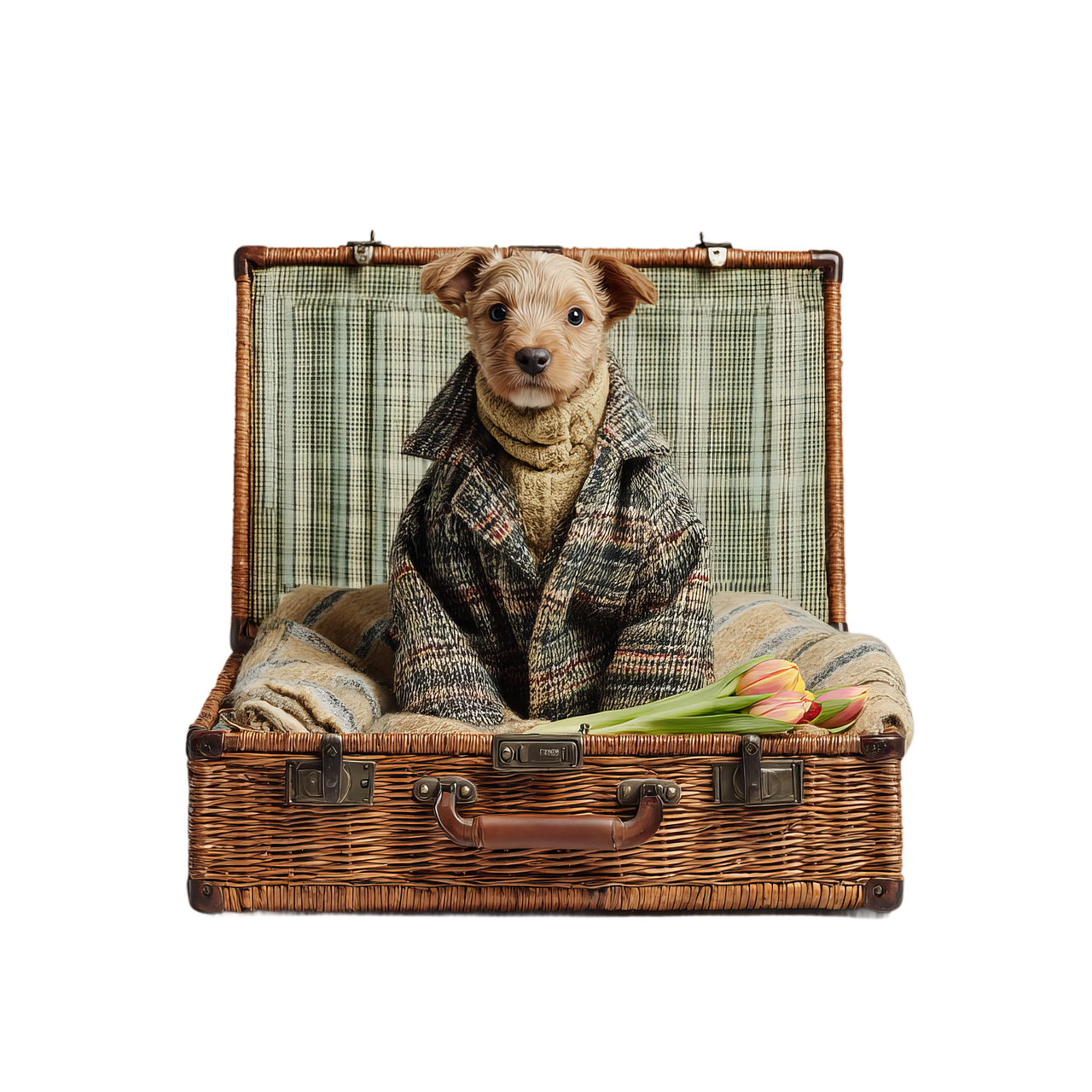

How to Manage Puppy Anxiety While Traveling
Traveling with a puppy can be an exciting adventure, but it may also contribute to anxiety for your furry friend. To ensure both you and your puppy have a pleasant experience, it’s crucial to prepare adequately. Start by familiarizing your puppy with the travel method you’ll be using. Whether it’s a car ride or an airplane trip, take short practice runs. During these initial outings, bring along treats and toys to create a positive association. Gradually increasing travel time helps to reduce anxiety as they get used to longer journeys. Additionally, consider investing in a comfortable travel crate that your puppy can call their own. This crate should be a safe space for your puppy, making them feel secure and comfortable during travels. When it’s time for the actual trip, ensure you pack all necessary items such as food, water, and any favorite toys. Sticking to their regular schedule as much as possible also helps reduce stress. Lastly, during prolonged travel, take frequent breaks to let your puppy stretch, relieve themselves, and explore their surroundings. These steps can greatly enhance your travel experience with your puppy.
Creating a Calm Environment During Travel
Another crucial aspect of managing puppy anxiety during travel is establishing a calm environment. Begin by playing soft music while traveling, as music can have a soothing effect on dogs. If your puppy is particularly anxious, consider purchasing dog-specific calming music or soundtracks that are designed to reduce stress in pets. Moreover, using pheromone sprays or collars can provide a sense of comfort. Pheromones mimic the natural scents that comfort dogs, potentially reducing their anxiety levels. Before embarking on your trip, make sure your puppy has had a good chance to exercise. A long walk before travel helps expend excess energy, making the puppy calmer during the journey. It’s also important to maintain a routine throughout your travels. Feeding and bathroom breaks should occur at similar times to your everyday schedule. Consistency minimizes anxiety, so keeping their environment as stable as possible will be beneficial. If your puppy becomes overly anxious, employing distraction techniques such as toys or treats can help them refocus their energy. Breathe deeply, stay calm, and remember that your puppy is looking to you for reassurance during this transition.
Practice Crate Training for Comfort
Crate training can be a valuable tool when managing puppy anxiety during travel. Ideally, your puppy should see their crate as a safe haven rather than a confinement. When you introduce your puppy to their crate, ensure it’s done in a positive and rewarding manner. Start by placing them in the crate for short periods while offering their favorite treats or toys. Make it a comfortable space with a soft blanket and some chew toys. Gradually increase the length of time they spend in the crate, ensuring to monitor their behavior. If they begin to whine or show signs of distress, try to soothe them with calm voices or gentle petting. Incorporate crate time into your daily routine by utilizing it during meal times or nap periods. Over time, they will associate being in their crate with comfort and security. During travel, ensure that the crate is secured so it doesn’t shift. A well-trained puppy will feel content being in their crate during longer trips, helping them cope with stress. With practice and positive reinforcement, your puppy will find solace in their crate during travels.
Hydration and Nutrition Considerations
Maintaining proper hydration and nutrition for your puppy during travel is essential in reducing anxiety. Many pups may become agitated during car rides or flights, causing reluctance to drink water or eat. Always provide fresh water at regular intervals, especially during breaks. Consider investing in a portable water bowl that can be used easily during stops. Transitioning your puppy to a travel-friendly diet may also help ease their anxiety. Familiarize them with their travel food before the journey. Avoid introducing new foods on travel days; instead, stick to what they are used to. Plan ahead by carrying a sufficient supply of their regular kibble. When stopping for breaks, avoid feeding them large meals as it might lead to car sickness. Instead, offer smaller snacks that are easy to digest. Celebrate victories such as successfully eating or drinking during the trip with praise or treats! Keeping their stomach steady can also contribute to a calmer demeanor. Detailed attention to their nutritional needs ensures your puppy remains balanced and healthy while traveling.
The Role of Socialization in Reducing Anxiety
Socialization plays a critical role in reducing anxiety in puppies, especially when traveling. Before embarking on trips, expose your puppy to various environments, people, and other pets to enhance their comfort level. Regular visits to pet-friendly locations like parks, or pet-friendly cafes can serve as excellent socialization opportunities. Allow your puppy to interact with a range of other dogs and humans, teaching them how to adapt in different circumstances. Alongside regular outings, puppy daycare or training classes can also help in improving their social skills. Positive experiences with unfamiliar sights and sounds may help lessen the overall stress associated with travel. Additionally, practicing basic commands like sit, stay, and come during these interactions guides your puppy’s behavior significantly. Consistent training reinforces desirable behaviors and builds confident companions. Remember that every puppy is unique; be patient with their progress as they learn to socialize. A well-socialized puppy is more likely to relish the experiences encountered during travels rather than cower or become anxious at every new sight. Watching such confidence develop is rewarding and aids in an enjoyable travel experience.
Flight Considerations for Anxious Puppies
If you are planning to travel by air, additional steps may be necessary to manage your puppy’s anxiety effectively. First and foremost, consult with your veterinarian about whether flying is suitable for your puppy. Certain breeds are more susceptible to anxiety, and a vet can offer specific recommendations. Many airlines have different policies regarding traveling with pets, so familiarize yourself with those rules. Ensure you book a direct flight, minimizing the time spent in transit as well as changing potential environments. To prepare your puppy for the experience, consider giving them a calming treat before departure. Depending on where you are flying, some dogs require anxiety medication. Ask your vet if this is appropriate for your puppy. At check-in, remain calm and collected. Your puppy can sense your demeanor, and a relaxed caretaker can help soothe their fears. Also, make sure to have a comfortable crate that meets airline regulations. Your puppy’s crate should feel secure and familiar, reducing anxiety and ensuring that every part of the experience is manageable and as smooth as possible.
Follow-Up After Travel for Comfort
Post-travel care can be just as important in managing puppy anxiety as the preparations before your trip. After a journey, provide your puppy time to decompress. Sometimes, they might feel overwhelmed with all the new experiences. Create a comfortable space for them at home where they feel safe. This can be a corner with their toys or even their crate, allowing them to relax without disturbances. Engage in gentle playtime or cuddling to assist in the emotional recovery process. Paying attention to their behavior can help determine if additional resources are needed. If your puppy shows signs of lingering anxiety, consider consulting a training professional or behaviorist. Meanwhile, continue implementing routines and structured activities during the following days. It assures your puppy that normalcy is restored. Gradually returning to their normal schedule helps them feel secure. Also, ensure all necessary supplies are stocked for immediate use. With the right routine, you can help your puppy overcome the anxiety experienced during travels. Eventually, they will learn that traveling does not have to be a stressful experience.