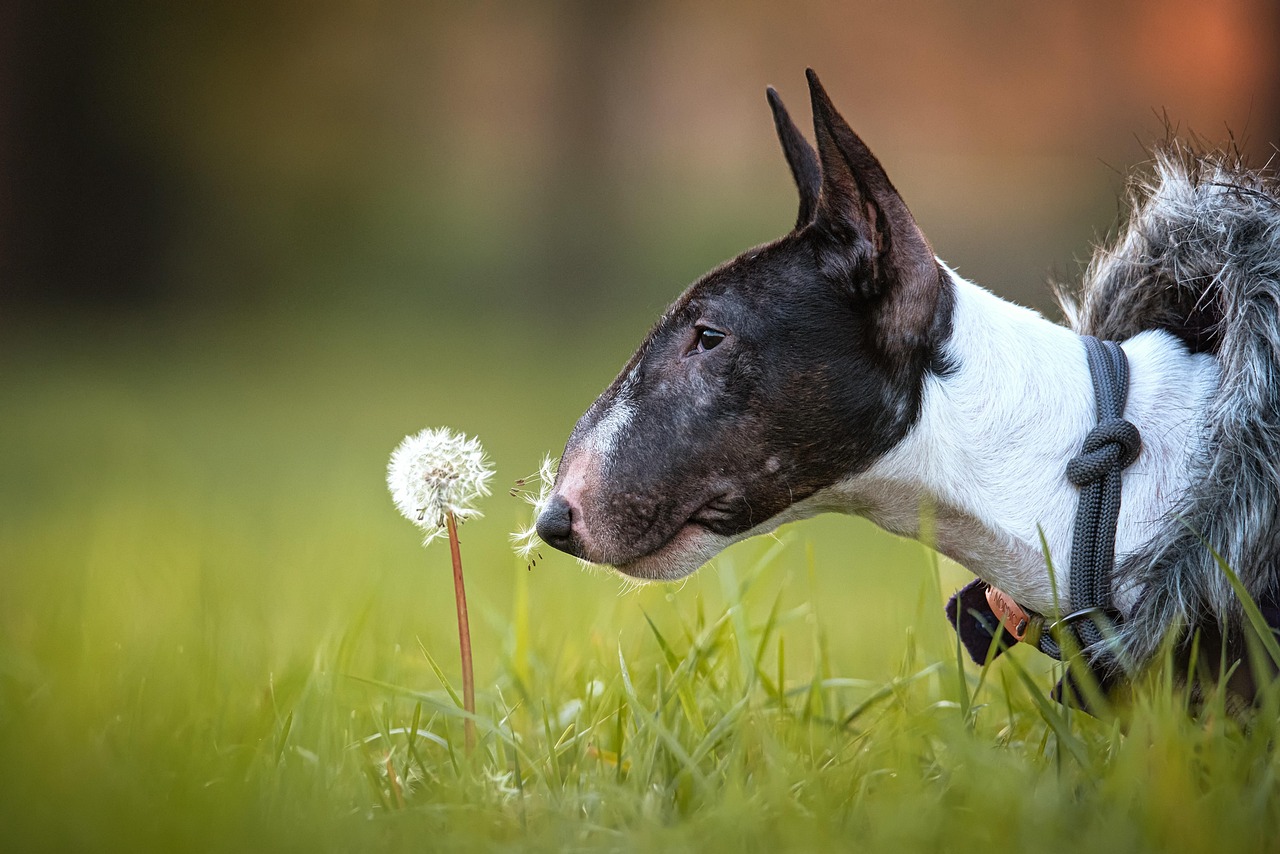

Bull Terriers and Children: Building a Safe Relationship
Bull Terriers are often recognized for their spirited nature and striking appearance, which can make them an appealing family pet. However, understanding how they interact with children is crucial for ensuring safety and harmony within the household. Parenting and pet ownership require careful consideration of each party’s needs, feelings, and behaviors. Bull Terriers are lively companions, and when raised with a positive environment, they can develop meaningful relationships with children. It’s essential to establish early socialization for the breed to thrive around kids. Developing a bond takes time and patience, encouraging children to play gently and respect the dog’s space. Families should commit to teaching children how to approach the dog properly. Tools like positive reinforcement and consistent training are critical for nurturing appropriate behavior in both the dog and child. Expectation management is important, especially considering the breed’s powerful physique and playful energy. In this article, we will explore various strategies to facilitate a safe and rewarding relationship between Bull Terriers and children.
Effective communication is a fundamental aspect of fostering a good relationship between Bull Terriers and children. As kids learn to read a dog’s body language, they become more adept at recognizing signs of discomfort or stress. Teaching them to observe cues such as growling, barking, or tail movements ensures that interactions are safe. Additionally, parents should regularly engage their kids in discussions regarding dog behavior, enriching their understanding of how to coexist peacefully. Introducing concepts like personal boundaries and shared toys enhances mutual respect. Safety protocols should also be communicated, such as avoiding rough play or sudden movements, which may cause a Bull Terrier to react unpredictably. Parents play a key role in this learning process, modeling appropriate behaviors towards the dog. Structured playtime is beneficial as it encourages the dog’s exercise while keeping the children engaged. Incorporating daily routines that involve the pet can serve to strengthen these bonds. By carefully managing these interactions, families can create an inviting atmosphere where children and their Bull Terriers feel secure and happy in each other’s presence.
Socialization Strategies
Socialization for Bull Terriers should start at a young age to integrate them successfully into family life. Enrolling them in puppy training classes can be beneficial, enabling them to meet children and learn essential manners. Such classes also guide parents on teaching appropriate boundaries with their pets. Furthermore, it’s vital to gradually introduce Bull Terriers to the temperament of children of varying ages. Each interaction should be positive and supervised to avoid misunderstandings or accidents. The gradual introduction of diverse scenarios, from family gatherings to quiet afternoons, helps the dog adjust comfortably. In these settings, children can become familiar with Bull Terriers, cultivating their confidence and reducing fears. Parents must supervise initial encounters to monitor behavior and intervene when necessary. Engaging the dog interactively can boost a child’s understanding of dog ownership as well, reinforcing the idea of caring for another being. Lastly, organizing playdates with family friends who have Bull Terriers can provide insights into social dynamics. These strategies, diligently applied, afford children wonderful canine companionship and teach them responsibility.
Training is a crucial component in fostering a healthy relationship between Bull Terriers and children. Both can benefit from obedience training, creating a structured environment that enhances understanding on both sides. Bull Terriers possess great intelligence but can sometimes exhibit stubbornness, requiring consistent and positive reinforcement methods. Children can be involved in the training process as a learning experience. Tasks such as practicing commands or reinforcing good behavior encourages teamwork and develops trust. Furthermore, parents should proactively educate kids about the importance of respect and patience when training the dog. Allowing children to prepare dog treats for training sessions also brings them closer together. Encouraging children to focus on the Bull Terrier’s achievements, no matter how small, fosters a supportive dynamic. Repeated praise can work wonders in cultivating a harmonious environment. In essence, positive reinforcement paired with cooperative training establishes respect and authority within the relationship. This approach helps instill proper behavior in the Bull Terrier while also teaching children essential dog-handling skills, ultimately enhancing their bond for the years to come.
Setting Boundaries
Establishing boundaries between Bull Terriers and children is vital for ensuring safe interactions. Children should be educated about appropriate touch and what constitutes safe play. Avoiding sharp movements or sudden actions prevents potential stressors for the Bull Terrier. Parents should teach their children how to approach the dog calmly, with a gentle demeanor to ease any tension. Creating designated spaces within the home is helpful, allowing the Bull Terrier a private area where they can retreat when overwhelmed. It’s important for children to understand and respect these safe zones. Another aspect is to set rules about playtime with the dog, designating specific toys that belong only to the Bull Terrier. This prevents possessiveness and encourages sharing. Reinforcing these boundaries teaches children responsibility in their interactions and ensures that play remains enjoyable for both parties. Additionally, monitoring their time together can be beneficial in recognizing signs of strain or eagerness. Open communication about needs and limitations will further foster trust among everyone involved. By promoting this behavior, families can maintain a healthy relationship that honors each individual’s comfort levels.
Maintaining physical health and well-being for Bull Terriers is essential for playful interactions with children. Regular exercise not only keeps the dog fit but also expends pent-up energy, reducing chances of accidents during play. Routine walks, engaging games such as fetch, or obstacle courses can be excellent ways to bond while meeting exercise requirements. Ensuring proper nutrition contributes to optimal health, which directly affects a dog’s temperament. Educating children about these needs promotes empathy and responsibility. They can learn to assist in dog care, like measuring food or helping maintain a clean living environment while developing a sense of pride. Vet appointments are equally important for vaccinations and wellness checks. Monitoring for potential allergies or health issues leads to better lives for Bull Terriers. Teaching children to recognize signs of illness equips them with knowledge that may keep their canine friends safe. This shared responsibility fosters additional bonds as a family unit, allowing everyone to feel secure and valued. Combined efforts in ensuring health lead to enjoyable interactions, where children and Bull Terriers can thrive together in a nurturing atmosphere.
Conclusion
In conclusion, developing a positive relationship between Bull Terriers and children requires ongoing commitment, education, and patience. Understanding the breed’s unique traits, alongside proper training and socialization, sets the stage for safety and happiness. Adopting strategies that focus on communication, boundaries, and shared responsibilities will help nurture lasting friendships that lead to enriching experiences for all involved. Bull Terriers, with their playful yet loyal temperaments, can become excellent family members when raised alongside children. A consistent approach teaches kids to respect the dog’s needs while providing valuable companionship in return. With time, trust, and mutual understanding, these relationships can flourish. This partnership emphasizes the importance of caring for another living being, educating children about compassion and responsibility while creating memories that last a lifetime. As families engage with the breed, they discover the joy of companionship and unconditional love that Bull Terriers offer. With these guidelines, families can confidently introduce this breed into their homes, knowing they are building a strong foundation for lifelong bonds.
Consider joining online forums or local clubs to connect with other Bull Terrier owners to exchange tips and experiences. This sense of community can provide support and enhance your understanding of the breed, contributing positively to the dynamic between your children and your dog.