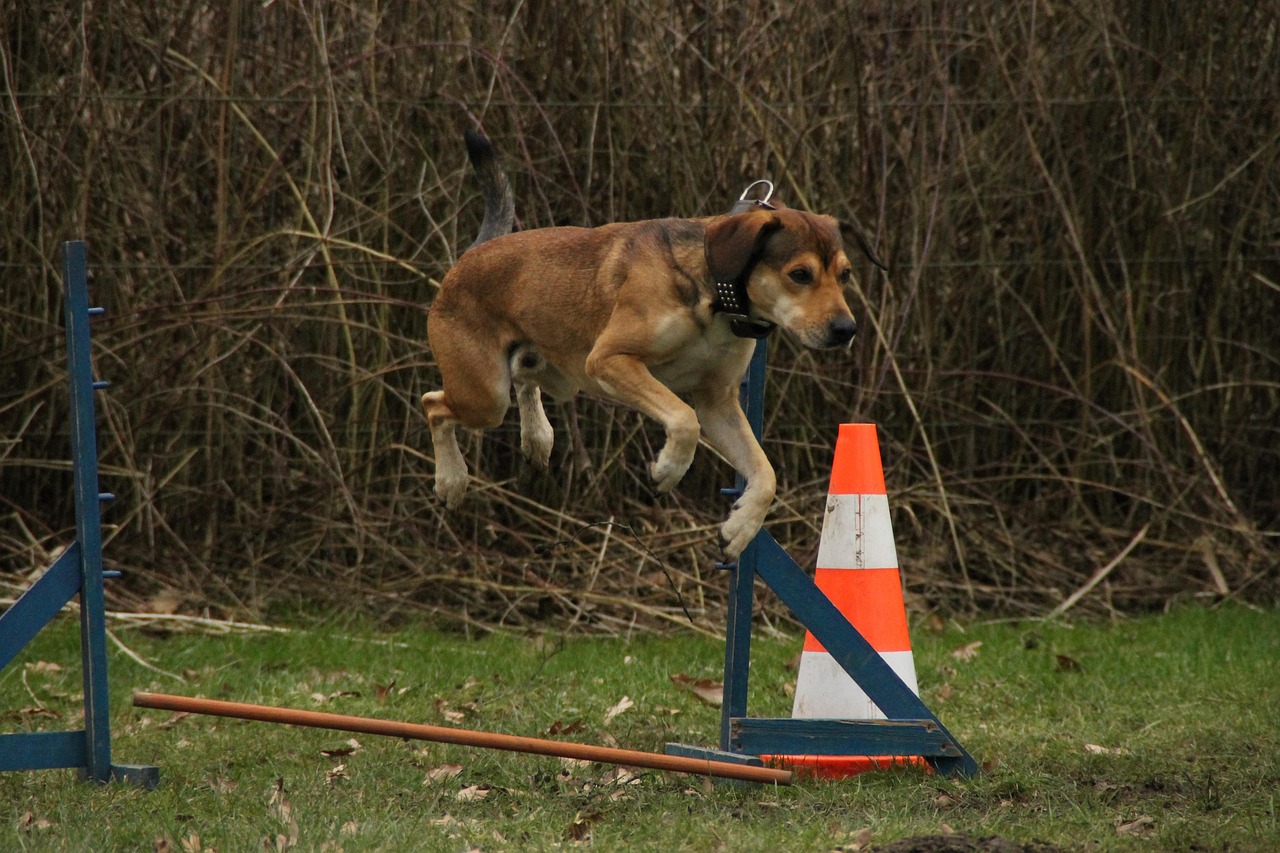

How to Choose the Right Type of Exercise for Your Dog’s Breed and Age
Choosing the right exercise for your dog is essential for its well-being. Different breeds have varying energy levels and physical capabilities. For instance, high-energy dogs, like Border Collies and Labrador Retrievers, require vigorous exercises to keep them mentally and physically stimulated. In contrast, lower-energy breeds, such as Bulldogs or Shih Tzus, benefit from short walks and gentle play. Additionally, age plays a significant role. Puppies are often full of energy and require plenty of playtime, while senior dogs may need less intense activities. Always observe your dog’s behavior to tailor its exercise routine. For example, a young dog might thrive with agility training, while an older dog could enjoy leisurely strolls. By understanding what your dog needs based on its age and breed, you can create a balanced routine that promotes health. Don’t hesitate to consult your vet for personalized recommendations. They can help determine the optimal duration and types of exercise suited for your furry friend. The goal is to ensure your dog stays active while also enjoying its activity, leading to a happy, healthy life.
Essentially, dog exercises can be broadly categorized into aerobic, anaerobic, and cognitive activities. Aerobic exercises, like running or swimming, boost cardiovascular health and help maintain a healthy weight. They are critical for energetic breeds. Anaerobic exercises, on the other hand, involve short bursts of activity, such as sprinting or agility drills. These exercises enhance muscle strength and are suitable for dogs needing to burn off pent-up energy quickly. Incorporating a mix of both types is beneficial. Additionally, cognitive exercises, such as puzzle toys or training commands, stimulate a dog’s mind and provide mental engagement. These activities are crucial, especially for breeds known for intelligence, like Poodles and German Shepherds. When planning your dog’s exercise routine, consider its personality too. Some dogs prefer solitary activities, while others thrive in social settings. Group classes or playdates can enhance their social skills. Always monitor your dog’s response to different types of exercises to see what works best. Remember, a happy dog is one that is well-exercised and mentally stimulated, which contributes to its overall happiness and well-being in the long run.
Age-Appropriate Exercises
Puppies need different forms of exercise compared to adults and senior dogs. When designing a routine for puppies, consider their developing muscles and joints. Gentle, short play sessions are perfect to prevent injury. Activities like fetch and light tugging games are great. As they grow, gradually increase intensity and duration. Ideally, establish a routine early to form healthy habits. For adult dogs, incorporating a variety of exercises proves effective. Mix walks, agility, and fetch games, balancing energy levels and physical demands. Engaging in these activities boosts their physical fitness and reduces behavioral issues stemming from boredom. Senior dogs require special consideration, as they often experience mobility limitations. Opt for low-impact exercises such as slow walks, gentle swimming, or even stretching activities. Always be attentive to signs of fatigue or discomfort. Gentle play and shorter bursts of activity can help maintain their health without overexertion. Adapt your approach based on your dog’s specific needs and preferences. Engage your furry friend in activities it enjoys, keeping them active and fulfilled. A tailored exercise routine is essential for every stage of your dog’s life.
Consistency is vital in establishing an effective exercise routine for dogs. Dogs thrive on routine and predictability, which helps them understand when to expect exercise. Set specific times for walks and play sessions, so your dog can adapt, making them more excited and engaged when it’s time for activity. Utilize weather-appropriate clothing for walks, especially in winter or inclement weather. Safety should always be a priority, as dogs can get hurt during activities if not monitored. Always use appropriate leashes and harnesses to provide control during walks. For off-leash activities, secure environments like dog parks or fenced-in areas are ideal. Integrated training during exercise encourages obedience and good leash manners. Teaching commands like ‘sit,’ ‘stay,’ and ‘come’ attaches discipline while providing a fun learning environment. Make sessions shorter and filled with exciting incentives such as treats or toys. Additionally, alternate activities keep the routine interesting and enjoyable for your dog. Remember, exercise is not solely about physical activity but also includes time dedicated to bonding, training, and enhancing the human-animal relationship, enriching both lives with enjoyable shared experiences.
Choosing the Right Environment
The environment plays a significant role in an exercise routine for dogs. Selecting the best setting for your dog’s activities can determine how much they enjoy their exercise. For energetic breeds, a wide-open space allows for running, playing fetch, or engaging in agility activities. If you live in an urban area, look for dog-friendly parks, trails, or beaches where dogs can frolick and explore nature. Alternatively, indoor activities work well during inclement weather. Use your home or a local indoor dog facility for engaging fun. Indoor play can consist of games like hide-and-seek or using toys that encourage movement. Always supervise your dog, especially in unfamiliar environments, to ensure their safety. Ensure that the playground or park is appropriate for their age, size, and energy level. Dogs can easily get overwhelmed in crowded settings, which can lead to stress or anxiety. Take time to observe how your dog reacts, adjusting your choice of setting as needed. Finding the right environment can drastically improve your dog’s exercise routine, making it enjoyable rather than a chore for both of you.
It’s essential to incorporate variety into your dog’s exercise routine. Doing the same activities regularly can lead to boredom, reducing the beneficial effects of exercise. To counter this, mix in new exercises, different routes, or try various activities like hiking, swimming, or playing frisbee. Consider trying out dog sports such as Flyball, Disc Dog, or Agility for an exhilarating experience. Not only do these sports promote physical fitness, but they also strengthen the bond between you and your dog through teamwork. Participating in group classes is another excellent way to ensure variety while enhancing your dog’s social skills. Engaging with other dogs and their owners provides a stimulating environment. Always reward your dog with praise or small treats when they try something new, which encourages them to embrace change positively. Regularly updating their activities ensures a well-rounded exercise regimen that caters to physical fitness and mental stimulation. By shaking things up and keeping your dog excited, you’re promoting longevity and enhanced enjoyment in your shared experiences.
Monitoring and Adjusting Exercises
Monitoring your dog during its exercise routine is crucial to evolving its needs. Evaluate how your dog responds to various activities and adjust according to its energy levels and physical condition. Signs of discontent or fatigue suggest that it’s time to reassess the exercise routine. You may notice changes as your dog ages that warrant modified activities to keep them comfortable. Some dogs may need more frequent breaks or shorter sessions as they grow older. Choose activities that promote joint health, such as swimming, that minimizes impact and risks of injury. Look for age-specific classes that consider your dog’s age and ability. You should also consult your veterinarian to evaluate if alterations are necessary based on age, health, or breed characteristics. Keeping track of milestones and improvements can motivate you and let you know when adjustments are required. Regularly updating the exercise regime according to shifting conditions ensures that your dog enjoys healthy, fulfilling activity throughout its life. Prioritizing your dog’s safety and comfort creates a lifelong companion that is active and engaged.
In conclusion, choosing the right types of exercise for your dog is essential for its happiness, health, and longevity. Understanding your dog’s breed and age helps tailor a routine that meets their unique needs. Different breeds require different intensities and types of exercises, and staying attuned to your dog’s preferences can make a significant difference in their enjoyment. Regular exercise not only helps maintain a healthy weight but also prevents boredom and promotes good behavior. By observing your dog’s reactions, you can create a comprehensive exercise plan that keeps them active while exploring new activities together. Don’t forget to consider the importance of mental stimulation through training and games. Ensuring your dog has a fulfilling and enjoyable exercise routine builds a stronger bond and enhances your relationship. The more fun you have with your furry friend during activities, the lower the chances are for behavioral issues down the road. Make your dog’s exercise a consistent yet varied routine, improving both its health and quality of life. Ultimately, your dog’s happiness and health depend on you! Taking responsibility for its exercise needs keeps your furry companion thriving.