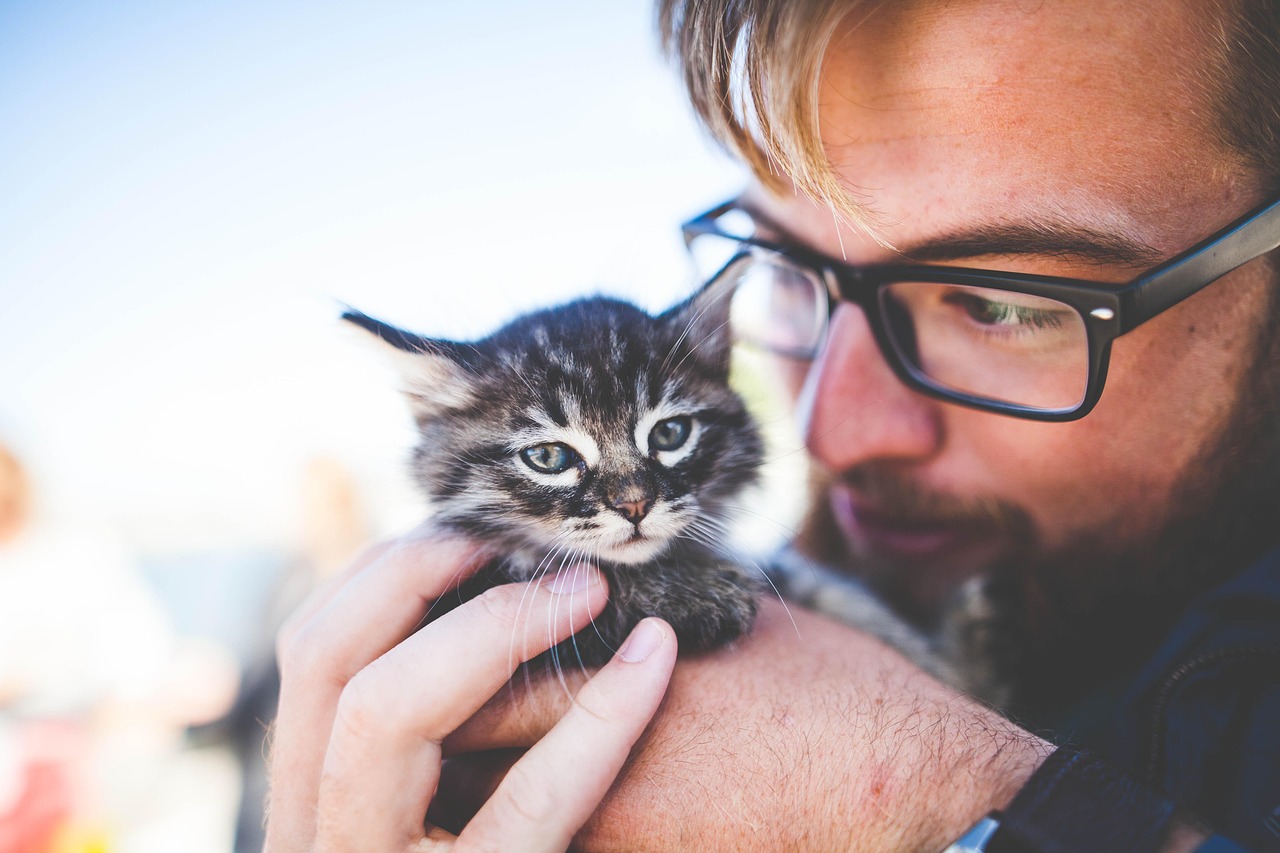

How to Handle Your Kitten Gently
Bringing a kitten into your home can be an incredibly rewarding experience. However, it’s essential to understand how to handle your new furry friend properly. Kittens are sensitive creatures, and a gentle approach is crucial for their emotional well-being. Start by creating a calm environment; ensure that your kitten feels safe and secure in its new surroundings. Gradually introduce them to various spaces within your home. When interacting with your kitten, use slow and deliberate movements. Rapid motions can frighten them, causing anxiety. When picking your kitten up, support their body correctly. Always cradle them in your arms or lap, making sure to hold their hind legs securely. Establishing trust is vital; allow your kitten to come to you when they are ready. Use soft tones while speaking to them, and make eye contact without staring, which can be intimidating for them. Providing gentle petting and soft strokes can help them feel loved. Introducing toys can also assist in bonding; engaging them in play encourages positive feelings and safety. Treat your kitten with love and care; these early interactions are foundational for a long-lasting relationship.
Understanding your kitten’s body language is pivotal in fostering a trusting environment. Kittens communicate their feelings through various physical signals. For example, if a kitten arches its back and puffs up, it may feel threatened or scared. Conversely, if they knead or purr, it’s a sign they are comfortable and happy. Always pay attention to these behaviors; this helps in determining when to interact with your kitten and when to give them space. Create a safe zone where they can retreat if overwhelmed. This can be a cozy bed in a quiet corner. Playtime is essential for kittens; however, be mindful of their energy levels. Short bursts of play are ideal, preventing overstimulation which can lead to stress. Additionally, avoid using your hands as toys, as this can encourage biting and scratching later on. Instead, utilize interactive toys that mimic prey, enhancing their hunting instincts and providing mental stimulation. Allow your kitten to explore their surroundings at their own pace; don’t force them into situations. Patience is key, as building trust requires time and consistent positive interactions. Ultimately, observing your kitten closely will lead to a strong bond and mutual understanding.
Creating a Comfortable Environment
Creating a comfortable environment for your kitten is essential for its health and happiness. Ensure that the space is free from hazards, including small objects that can be swallowed. Provide a warm bed in a cozy area where your kitten can rest without disturbances. Additionally, designate a spot for their litter box, making sure it’s easily accessible yet private, reducing stress during use. A secured area with limited access to dangerous spaces encourages exploration in a safer manner. Proper ventilation and a moderately warm space are crucial; kittens are sensitive to extreme temperatures. Having cozy blankets or soft fabrics can further improve comfort. Regularly clean their living quarters to maintain hygiene and prevent infection. Be vigilant about their nutrition; provide high-quality kitten food and fresh water daily. It’s also essential to schedule regular vet check-ups as part of your routine care. These visits help in addressing potential health problems early on. Moreover, consider investing in scratching posts that will help meet their natural scratching instincts while protecting your furniture. Creating an organic, safe, and engaging environment ensures your kitten feels secure, fostering growth and love.
Socializing your kitten is another important aspect of their development. Introduce them to different experiences, sounds, and people cautiously and gradually. This exposure helps them become well-adjusted adults. For example, invite friends over to meet your kitten; however, allow your furry friend to dictate the pace of social interaction. If they seem fearful, give them space; it’s essential to respect their limits. Gradually increasing their interactions with other pets can also be beneficial; however, supervision is needed to prevent aggressive behaviors. Social playtime with you helps them learn to interact positively and enjoy human company. Use toys to facilitate socialization; this can also reduce aggression by teaching how to engage playfully. Training sessions involving treats can also strengthen your bond while teaching basic commands. Avoid overwhelming your kitten with multiple experiences at once; instead, break them down into smaller introductions over time. Offering praise and rewards reinforces positive behavior while establishing confidence. Understanding that some kittens may take longer to adapt than others is essential. Every kitten is unique, and their individual personality will significantly dictate how they socialize with the world around them.
Gentle Handling Techniques
Using gentle handling techniques when dealing with your kitten fosters security and trust. Always approach your kitten calmly and softly to avoid startling them. Hold your hand out in a relaxed manner; allowing them to come to you first is vital. When picking up, support their body adequately. It’s best to place one hand under their chest while using the other to support their hind legs. Never grab or hold them tightly, as this can lead to fear and anxiety. Instead, keep your grip secure yet gentle, making them feel safe. When placing them down, ensure you do so in a cozy spot where they can adjust comfortably. Providing reassurance in the form of soft words and gentle strokes goes a long way. Respect their wishes; if they squirm or show discomfort, gently return them to the ground. As they grow and become accustomed to handling, they will naturally allow you more flexibility. Rewarding positive interactions with treats enhances good behavior while building a trusting foundation. Taking the time to handle them gently enables their confidence to flourish as they grow and develop into well-adjusted adult cats.
Training your kitten with gentle methods is essential for a harmonious home. Start with basic commands, utilizing treats and positive reinforcement. For instance, use clicker training to signify correct behavior. This teaches your kitten that good behavior results in rewards, making them more likely to repeat those actions. Keep sessions brief and engaging, as young kittens have short attention spans. Repeat commands and allow ample time for your kitten to understand what you expect of them. Patience and consistency are crucial during this process. Focus on one command at a time; this prevents overwhelming them. Never resort to negative reinforcement methods, as this can damage the trust between you and your kitten, leading to anxiety. Provide plenty of opportunities for social play, as it enhances learning and encourages bonding. Training should feel like a game rather than a chore; this ensures your kitten remains enthusiastic about learning. In time, your patience and dedication will yield significant results. Establishing clear communication through gentle training strengthens your relationship with your kitten, ultimately leading to a joyous companionship that lasts for years.
Maintaining Health and Wellbeing
Regular veterinary visits are paramount in maintaining your kitten’s health and well-being. Early vaccinations protect against numerous diseases, and discussing sterilization options with a vet is also crucial. Maintaining a proper diet is important as well; high-quality kitten-specific food provides necessary nutrients for growth. Discussing appropriate feeding guidelines with your veterinarian can assist in establishing healthy eating habits. Moreover, hydration is vital; ensure fresh water is always available. Observe your kitten for any behavioral changes or signs of distress, such as changes in eating habits or lethargy. Flea and tick prevention should be part of your health care regimen; it reduces infestations and related diseases. Additionally, dental care needs attention; regular vet check-ups should include oral examinations and advice on proper dental hygiene. Consider scheduling playtime and mental stimulation as forms of exercise for overall well-being. Engaging your kitten in play fosters a positive environment, encouraging both physical and mental health. Regular grooming promotes a healthy coat while forming a bond. All these measures, combined with love and attention, ensure your kitten thrives in a nurturing atmosphere, laying the foundation for a healthy adult cat.
As your kitten matures, continue to adapt your handling techniques to meet their evolving needs. Maintaining regular vet visits and engaging with their environment ensures ongoing health and happiness. Consider incorporating fun accessories into their playtime, like feather wands and laser pointers, to stimulate their hunting instincts. Consistently exposing them to new experiences builds confidence and adaptability as they grow. Always remember that patience and love are key components of successful kitten care. Encouraging exploration within safe boundaries prevents boredom and satisfies their curious nature. When scolding is necessary, use a gentle tone to assert corrections without causing fear. Similarly, if a behavior is undesired, redirect their attention to an appropriate toy to prevent long-lasting habits. Engage their minds with interactive toys; these can lead to enriched play and stimulate cognitive skills. Documenting their growth using a pet journal can create fond memories while allowing you to track important milestones. Each day presents a new opportunity to bond with your kitten. Remember, the effort you invest now will yield a well-socialized and loving companion in the years to come. Cherishing each moment spent together fosters a profound and lasting bond with your feline friend.