
Massage Tips for Puppies and Older Dogs
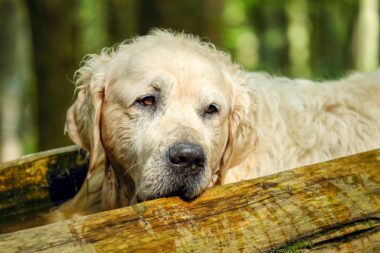
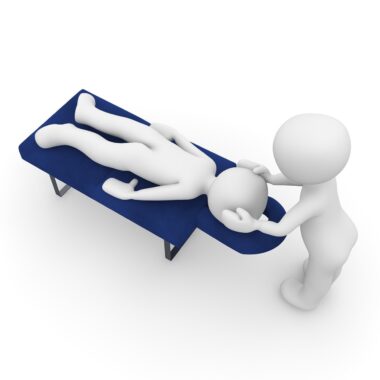
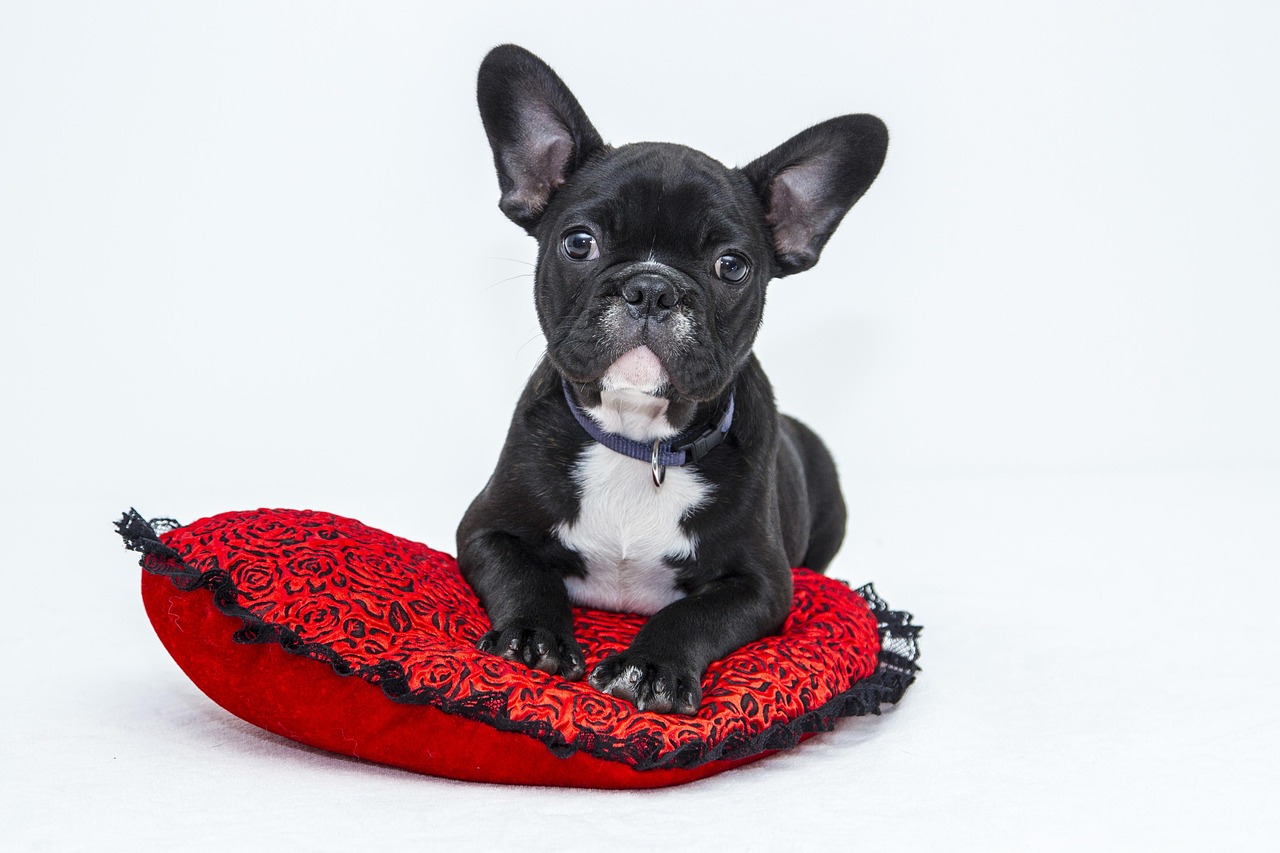
Massage therapy for dogs, particularly for puppies and older dogs, can be very beneficial. It helps with relaxation and can alleviate pain or stiffness. To begin, ensure the dog is in a calm environment free from distractions. Start with gentle strokes, gradually introducing pressure as the dog becomes more comfortable. Focus on areas like the neck, shoulders, and back. Puppies may respond well to very gentle touches, while older dogs might appreciate a firmer touch, depending on their comfort level. An important point to remember is that every dog is unique, so pay attention to their reactions. If they seem agitated or uncomfortable, it is essential to stop immediately. Also, try to use a soothing voice during the massage to create a tranquil atmosphere. Finally, make sure to keep the sessions short at first, gradually increasing the duration as your dog begins to enjoy the process. This approach allows both the dog and the owner to build confidence in this new experience together.
For effective dog massage, understanding specific techniques is crucial. Each method serves different purposes and targets distinct areas of tension. For instance, using long strokes can help relax the muscles, while kneading or circular movements can work on tighter spots. Additionally, gentle stretching can be beneficial for improving flexibility. Remember to keep your nails trimmed to avoid discomfort. It’s also essential to use body language and facial expressions to reassure your dog. Look out for their reactions; positive signs include wagging tails or relaxed body postures, while tensing or pulling away indicates discomfort. Establish a regular routine to help your dog anticipate the soothing touch. Consistency can help a puppy learn to enjoy massages from an early age, establishing a comforting bond between owner and pet. For older dogs, regular massages may alleviate pain from arthritis or age-related stiffness, helping them feel more comfortable. Always consult with a veterinarian before introducing massage, especially for older or injured dogs, to ensure safety and efficacy. Taking this approach can provide significant relief and improve your dog’s quality of life.
Creating a Comfortable Environment
The environment in which you choose to conduct dog massage plays a vital role in its success. Select a quiet, warm space that feels safe for your dog. Avoid areas with high foot traffic or loud noises, as distractions can hinder relaxation. Consider placing a comfortable mat or blanket on the floor to provide a cozy spot for your dog. This can help them feel secure and reduce anxiety during the massage. Dim lighting can also create a calming atmosphere. Using soft music or white noise is another great technique to help drown out any distracting sounds. Prior to starting the massage, allow some time for your dog to explore the space and get comfortable. Engaging in light play or exercise beforehand can also help release pent-up energy, making the dog more receptive to massage. It’s also helpful to keep massage tools, such as oils or lotions, within easy reach. However, ensure all products used are pet-safe. Having everything organized prevents interruptions, contributing to a smoother massage session for both you and your furry friend.
Before starting any massage, familiarizing yourself with your dog’s anatomy can enhance the experience. Knowing the areas where dog stress tends to accumulate is crucial for effective massage. Common high-tension spots include the neck, shoulders, spine, and legs. Learning the muscle groups allows you to focus on areas that may need extra attention. Additionally, be aware of the dog’s body language as you work through different areas. For instance, a relaxed stance or positive response signals that the massage technique is effective. Consider incorporating basic canine anatomy into your routine; understanding where to apply pressure can make your massage more focused and efficient. If your dog has specific health concerns, consulting a vet about suitable techniques is highly recommended. Exercising caution in these areas ensures you don’t exacerbate any existing conditions. Always start slow and gradually increase the intensity of your touch based on your dog’s reactions. It’ll not only make them feel more secure but can lead to a deeper level of relaxation and trust towards you and the massage itself.
Using Oils and Techniques
When considering oils for your dog’s massage, choose natural, safe options like coconut oil or lavender oil. These can enhance the experience and provide additional benefits. Always check for allergies by testing a small amount on their skin before applying generously. Lavender, for example, is known for its calming properties, making it suitable for anxious dogs. Apply a few drops in your palms, warming them up before massage. This method allows for smooth, gentle strokes, benefiting both you and your dog. Ensure the oil doesn’t have strong scents that may overwhelm them. Approaching massage like a professional helps; use various techniques such as compression and vibration to engage different muscle groups. Techniques like gentle pressure along the spine can create a soothing effect. Adjust your rhythm and intensity based on your dog’s response. Try to maintain a continuous flow to keep your dog relaxed, avoiding any jerky movements which may disturb them. The first few sessions might seem awkward, but with practice, you’ll find the optimal method that works well for your pup.
Timing is also a critical factor when it comes to effective dog massage. It’s essential to consider both the duration and frequency of massage sessions. For puppies, shorter sessions of about 5-10 minutes can be effective, while older dogs may benefit from slightly longer sessions of up to 15-20 minutes. Pay close attention to how your dog responds; if they seem engaged and relaxed, you might extend the session. Conversely, if they show signs of restlessness or discomfort, it’s best to end the massage early. Establishing a routine can help your dog anticipate these calming sessions. Consider massaging your dog after walks or playtime when they are more relaxed. Regular sessions contribute significantly to their physical and emotional well-being. Furthermore, contributing to the owner-dog bond fosters trust and companionship. Utilize this time not only for physical benefits but also for emotional connections, enhancing the overall relationship. Setting aside this dedicated time in your routine promotes a sense of security and comfort in both you and your furry friend.
Final Thoughts on Dog Massage
In conclusion, integrating massage into your dog’s routine can yield numerous benefits for both puppies and older dogs. It’s important to remember that every dog is unique, so patience and observation are key to ensuring a positive and effective experience. This healing art can help alleviate stress and anxiety, promote bonding, and even address physical discomfort. Make the experience enjoyable and something your dog looks forward to bonding sessions. Regularly engaging in massage therapy can lead to enhanced health, relaxation, and overall happiness. Besides physical care, it offers moments of connection that enrich the bond between you and your pet. Creating a peaceful sanctuary for these sessions supports their relaxation and builds trust. Whether you use subtle oils or natural techniques, each session contributes to your dog’s quality of life. If uncertain, always be sure to consult with a veterinarian for additional advice tailored to your dog’s specific needs. Enjoy the moment, as both you and your furry friend deserve this special time together, promoting health and well-being in an affectionate manner.