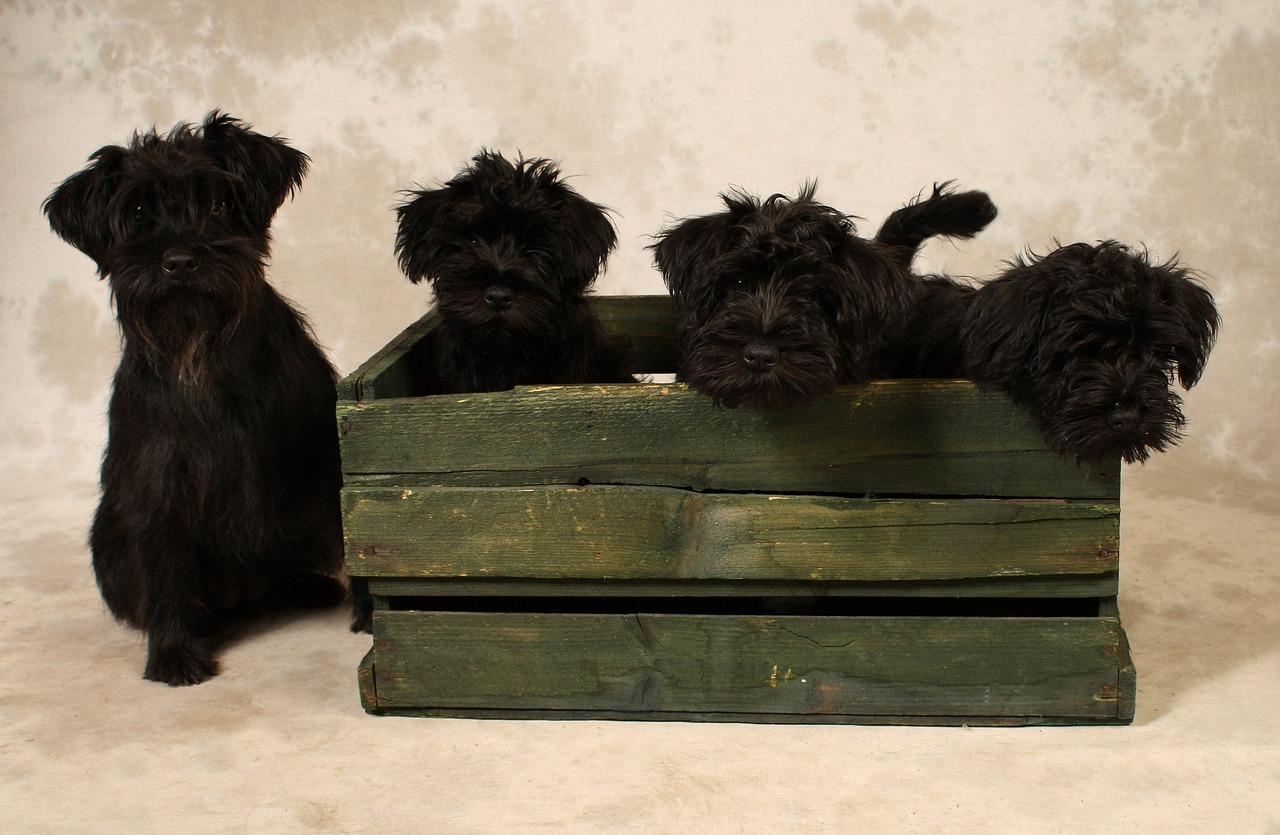

Tips for Cleaning and Maintaining Your Dog’s Crate
Maintaining a clean and fresh dog crate is critical for both your pet’s health and comfort. Regular cleaning prevents odor build-up and ensures that your dog feels safe and secure while inside. The materials used for dog crates can vary, including plastic, metal, or fabric. Each type requires specific cleaning techniques. Begin by removing your dog from the crate, allowing you to clean without interruption. Use a mild detergent mixed with warm water and a suitable cloth for this task. For stubborn stains, consider using a pet-safe enzyme cleaner that can break down organic material safely. Rinse the area thoroughly afterward, allowing it to air dry completely. This prevents unnecessary odor and ensures a hygienic environment for your dog. Furthermore, check for any damages or wear and tear during cleaning. Repairing or replacing crate parts ensure safety and comfort for your furry friend. Additionally, maintaining a routine in cleaning—like once a week—will help you stay ahead in keeping the crate clean. Use this time to bond with your dog and create a positive association with its crate, stressing consistent care over time.
After establishing a cleaning routine, consider these techniques for maintaining the dog crate through preventative measures. Using a crate cover can help to keep dust and dirt from settling inside your dog’s space. It also provides a sense of security, making your pet feel more comfortable and aiding in reducing anxiety. Regularly check the bedding and toys inside the crate, replacing any worn-out items. When it comes to bedding materials, opt for washable fabrics that can easily be laundered, maintaining hygiene. You might also consider using crate mats designed for easy cleaning. These can be wiped down or thrown in the washing machine as needed. Furthermore, ensure that the crate is positioned in a clean area away from anything that could create a mess, like muddy shoes. Set boundaries for your dog, reinforcing the crate as a safe and clean zone. Also, encourage your pet to spend time in the crate when the surroundings are quiet. This anticipates positive behavior and makes maintenance less of a hassle over time. Keeping clean surroundings can also diminish unwanted chewing or destructive behavior.
Removing Odors from the Crate
Dealing with dog odors in a crate can be a challenging task, especially for owners of particularly excitable or nervous dogs. To tackle odors, begin by performing a deep clean of the crate—removal of all components, washing them thoroughly, and allowing them to dry. A light sprinkling of baking soda inside the crate can absorb lingering smells. Leave it in the crate for several hours before vacuuming it out, providing a fresh environment for your dog. Additionally, consider using pet-safe deodorizing sprays that can add a pleasant scent without harming your pet’s sensitive nose. Vinegar mixed with water can also serve as an excellent natural alternative for odor removal. Always ensure the crate is well-ventilated while cleaning to help dissipate any residual odors. Avoid using harsh chemicals that may irritate your dog’s skin or respiratory system. Regular checks using a simple sniff test can help you identify when cleaning is necassary. By maintaining good airflow and utilizing these odor-removal techniques, your dog’s crate can remain a clean and inviting space.
Inspecting the crate for sharp edges or rough surfaces is also key in maintaining a safe environment. Use soft material or padding to cover any areas that might hurt your pet. Some owners find it beneficial to use cotton blankets or specially designed crate pads, which also contribute to a more comfortable space. Ensure that any added materials used inside are easily washable or replaceable to maintain hygiene. Regularly inspect these items for signs of wear and replace them if they become torn or excessively dirty. This ensures that your pet can enjoy its crate without any risks associated with discomfort or potential injury. Training your dog to use the crate for short durations can also reinforce its positive experience. Create a designated area where your dog associates relaxation and safety, easing the crate-cleaning process. Involving positive reinforcement makes your dog more comfortable being inside the crate. Also, maintaining cleanliness encourages your dog to see the space as a safe haven instead of a punishment. Make the crate inviting, using familiar scents from favorite toys or occasional treats.
Regular Checks and Maintenance
Establishing a routine check on your dog’s crate assures you can spot any areas needing immediate attention. Every week, take time to inspect the crate’s condition. Look for structural integrity; ensure all bolts are secure and that no parts are becoming loose. Regular maintenance prevents the risk of injury from a collapsing crate. This is especially essential for collapsible and plastic crates where wear may not be immediately visible. Wash all removable parts thoroughly, and check for any signs of mold, especially in humid conditions. Keep your dog’s crate in optimal shape by keeping it in a clean environment and addressing any cleaning issues as they arise. If you notice any persistent odors or damage, it could indicate a deep-cleaning session is needed. Additionally, replace any crate parts that show excessive wear when you do cleaning. Having backup bedding or mat materials allows you to maintain a clean crate while the primary items are washed. This way, your dog’s comfort is never compromised. Consistency in maintenance helps build a bond between you and your pet, creating a safe, clean environment.
Investing time in understanding your dog’s needs regarding crate cleaning evolves over time. Each dog may have unique strengths and challenges that affect their comfort and hygiene in the crate. It’s crucial to observe your dog and tailor cleaning methods to ensure their space remains inviting. Certain breeds may require more attention due to coat shedding or different habits, such as chewing. Keeping the crate nearby while performing other activities can also allow more interactions, testing the comfort level of your dog. Being attentive helps you notice undesirable behavior prompting you to address issues early on. Adapting the cleaning process, ensuring materials are non-irritating and comfortable for your pet is essential. Paying attention to how your dog behaves after cleaning can provide feedback needed. Sometimes, additional cleaning may be necessary, so don’t hesitate to tweak the routine as required. Remember to adjust your techniques based on your dog’s behavior. Small adjustments now can lead to significant positive changes in your dog’s comfort and the cleanliness of their crate. Connecting positive experiences with the crate can help cultivate a trusted environment for your pet. Consistency determines success.
Final Thoughts on Crate Maintenance
Taking the time to clean and maintain your dog’s crate is a vital part of responsible pet ownership. Creating a safe, hygienic environment ensures your dog feels comfortable and secure in its space. Therefore, all the cleaning techniques discussed represent essential steps in this process. By establishing a routine, using natural cleaning products, and staying observant of your dog’s needs, your cleaning process can become less of a chore and more of a bonding experience. Creating an inviting space helps reinforce positive feelings about the crate for your dog. Positive reinforcement, such as treats or praise when your dog enters the crate, can enhance the process. Remember, a clean crate does not just improve hygiene; it fosters a positive relationship and reinforces proper crate training behaviors, such as relaxation and safety. Routine maintenance leads to a quick and effective cleaning when needed, ensuring your pet stays healthy. Over time, your efforts will lead to a happy and well-adjusted dog, comfortable in their designated space, reinforcing their comfort in being in the crate. This process ultimately benefits both you and your pet.