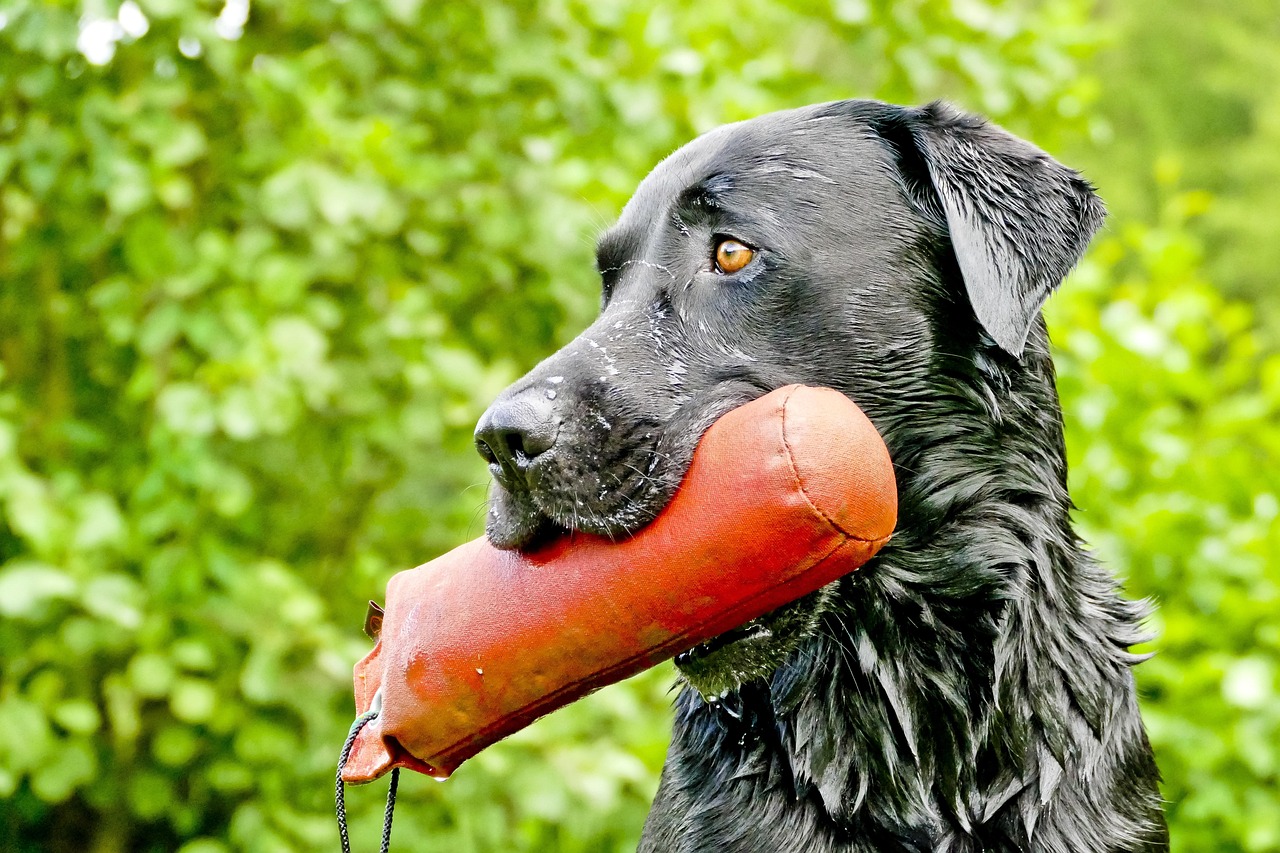

Training Your Dog to Handle Distractions on the Sport Field
Training your dog to effectively manage distractions during sports activities is crucial for their performance and enjoyment. Ensuring your canine companion focuses on your commands, even amid varying stimuli, requires dedicated techniques and practice. Start by introducing your dog to the sport environment gradually. Visit the field when it’s relatively quiet for practice sessions. This approach enables your dog to acclimate to the surroundings without overwhelming them. Once comfortable, begin incorporating moderate distractions, such as other dogs or equipment. Positive reinforcements, including treats and praise, are effective methods to encourage your dog to concentrate. Gradually increase the distraction level while reinforcing desired behavior. Consistency is key during these training sessions. Regularly engage in short, focused workouts, allowing your dog to learn and adapt to distractions systematically. Also, consider utilizing various distractions to prepare your dog for actual competitions. This training not only improves focus but also enhances agility and confidence in a dynamic environment. Always remain patient and adjust your methods based on your dog’s progress. Building a solid foundation in distraction training will ultimately lead to greater success in dog sports and beyond.
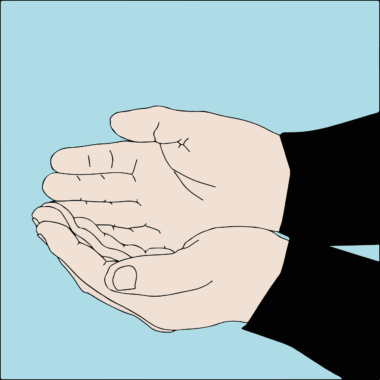
Once your dog is somewhat adept at handling distractions, it’s essential to develop a clear command system. Employ verbal signals and hand gestures that your dog can recognize easily. Consistency in commands will facilitate faster learning and understanding. Practice these commands during both structured training sessions and more spontaneous moments. For instance, call your dog to come, sit, or stay when interruptions arise. Combine this with rewarding desirable actions, like ignoring distractions and focusing on you. Gradually phasing in higher distraction levels reinforces your dog’s training. During practice, introduce various environmental elements, such as loud noises, unfamiliar people, or competing dogs. Positive reinforcement should continue every time your dog responds appropriately to your commands despite distractions. This consistency reassures your dog that focusing on you has rewards, encouraging them to tune out external stimuli. Remember that every dog learns differently; adjust the pace and intensity of your training according to your dog’s responsiveness. Be mindful not to rush the training process, as it could induce anxiety or confusion in your dog. Building confidence and focus requires time and perseverance, ultimately making your dog a more proficient sport participant.
Utilizing Tools for Distraction Training
Three essential tools can significantly facilitate your dog’s distraction training: treats, toys, and training aids. Utilizing treats can serve as powerful motivators while rewarding consistent focus on you. Select high-value options, such as small pieces of chicken or cheese, as they will capture your dog’s attention more effectively. As your dog improves, gradually reduce treat frequency to maintain motivation. Toys can also act as effective distractions during training. Incorporate them both as rewards for correct behavior and to simulate potential distractions. This technique prepares your dog for real-life scenarios by exposing them to eye-catching stimuli. Training aids, such as clickers or whistles, can be invaluable tools in creating clear communication. A clicker, for instance, marks behavior instantly, providing immediate reinforcement. Use these aids to establish a strong connection between desired actions and rewards. When practiced properly, these tools create a more engaging training atmosphere. Consistent implementation of treats, toys, and aids will enhance your dog’s ability to handle distractions on the sport field. Equipping yourself with these tools broadens your training strategies and allows your dog to flourish amid stimulation.
Practice in diverse environments to enhance your dog’s adaptability. Each training session should take place in varying settings, presenting unique distractions. Start with less chaotic surroundings, then gradually progress to busier locations, ensuring your dog becomes accustomed to fluctuating stimuli. Environments like parks, public areas, or even sport fields in different seasons introduce new experiences and challenges. Ensure that these locations relate directly to your dog’s sport so they can connect the training to the actual competition. Additionally, practicing during off-peak hours may afford opportunities to build confidence without excessive distractions. Following this structured approach builds your dog’s focus and ease in fluctuating circumstances. Incorporating friend or family assistance can also provide added distractions, as they can engage with your dog unpredictably. This technique helps simulate real-life scenarios more effectively. Maintain an optimistic and calm demeanor throughout all training sessions. Remember that anxious energy can negatively affect your dog’s confidence and performance. Progress may seem slow at times, but remaining consistent and supportive will lead to improved outcomes. Every incremental achievement should be celebrated as an essential step toward mastering distractions in the sport field setting.
Encouraging Positive Association with Distractions
Forming positive associations with distractions is fundamental to effective distraction management. Aim to introduce distractions during training in a way that your dog feels comfortable and able to cope. Begin with distractions that are present but non-intrusive, such as occasional sounds or distant movement. Gradually pair these initial distractions with rewards, allowing your dog to understand that staying focused on you yields favorable outcomes. This teaching method encourages your dog to associate distractions with good feelings rather than tension or stress. Follow this by progressively intensifying the distraction level. Watch your dog’s reactions closely to gauge when they might feel overwhelmed. Adjust your approach accordingly, ensuring that positive reinforcement continues consistently. It is vital that distractions are fun rather than detrimental experiences. Always scramble your sequence so that your dog learns to remain engaged amid various challenges. Use games to reinforce this concept, enticing them to ignore distractions while playing catch or hide and seek. Continuously refining this association is the path towards enhanced self-control in competitive environments. A solid emotional connection between distractions and positive outcomes ensures that your dog is less likely to be daunted by external stimuli during sports activities.
The importance of focusing on your dog’s individual personality is paramount. Each dog possesses unique traits, temperaments, and learning abilities. Understanding these personal characteristics can help tailor your training approach effectively. Some dogs may be more timid, requiring gentler methods that build confidence at a comfortable pace. Conversely, more bold or excitable dogs may thrive in high-energy environments with intense stimuli, but may also need guidance to curb impulsive reactions. Keep track of your dog’s progress throughout training, reflecting on successes and areas of struggle. Regularly reassess and modify your methodologies to better suit their developing skills and confidence levels. Communication and encouragement during sessions are vital, reinforcing your bond and trust. Celebrate milestones, which can motivate your dog to continue progressing through the training process. Additionally, consider involving professional trainers experienced in competition settings when challenges become evident. Outside support can provide valuable insights and methods for training. Transitioning to performance situations becomes much easier when the dog’s personality is accommodated therein. Ultimately, recognizing how your dog learns and adapits will lead to faster results, fostering a successful sporting experience that highlights their best abilities.
Final Thoughts on Distraction Training
In conclusion, training your dog to handle distractions effectively requires a multifaceted approach. Emphasizing gradual exposure, clear commands, and positive reinforcement strategies will cultivate focus amidst distractions. Implementing tools like treats, toys, and training aids adds depth to your training sessions. Engaging in diverse environments while fostering positive associations promotes adaptability in your dog. Remember that individual personality influences the training process, so tailor your methods accordingly. Encouragement and patience play a crucial role in building confidence as your dog learns to navigate the complexities of the sport field. As you refine their abilities, celebrate every achievement, regardless of how small it may seem. This entire process not only enhances performance in dog sports but also strengthens your bond with your furry companion over time. Furthermore, remaining open to professional assistance can further elevate your dog’s skills. Train consistently and optimistically, and your dog will eventually thrive in the presence of distractions, showcasing their potential during competitions. Ultimately, the goal of distraction training reflects both shared dedication and joy between you and your dog, enhancing the experience for both of you.